

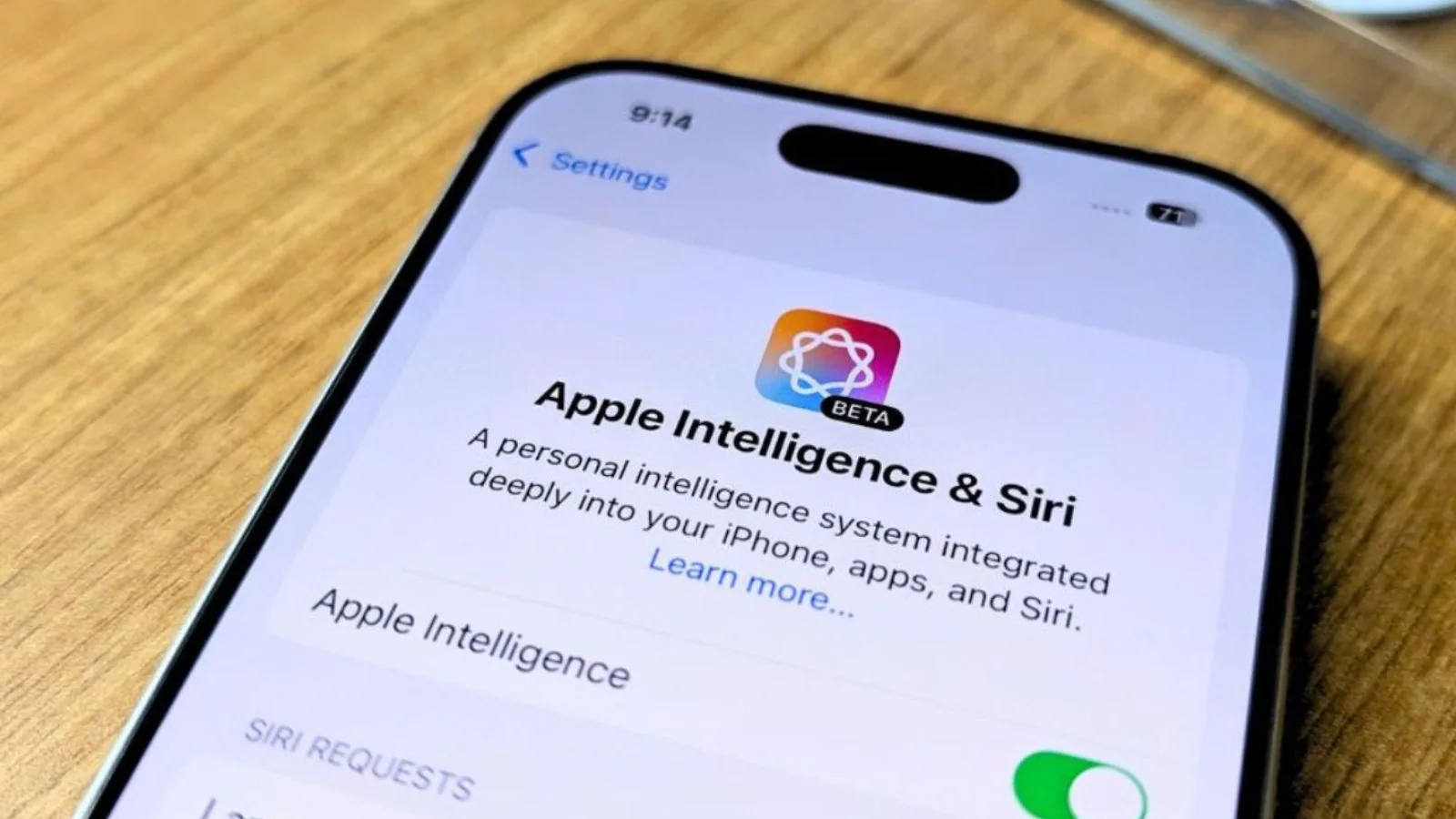
Apple’s latest move to integrate AI-powered features into Indian iPhones, iPads, and Macs could set the stage for a major showdown with Google in attracting the country’s massive developer community. This challenge is significant, as Android powered over 92% of new smartphones sold in India last year, reinforcing Google’s stronghold.
Between them, Apple and Google control more than two-thirds of global consumer devices, making India’s developer base a key battleground for AI-powered app innovation. According to GitHub, India is the world’s second-largest developer hub, with 17 million active developers, behind only the U.S.
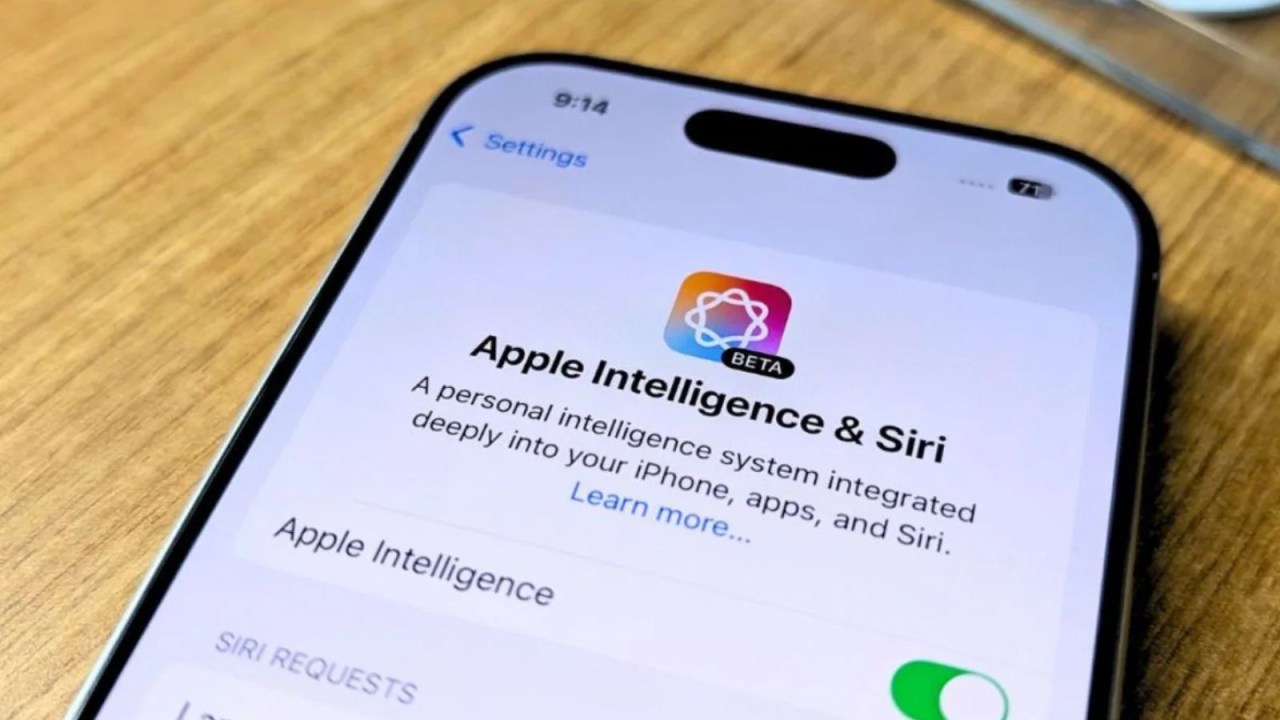

The Battle for Developer Dominance
Developers are crucial to Apple and Google’s long-term success, as both companies generate billions in revenue from their respective digital marketplaces—Apple’s App Store and Google’s Play Store.
While neither company discloses app-specific earnings, Apple’s services revenue (which includes App Store earnings) stood at $26.3 billion in the December quarter, while Google’s subscriptions, platforms, and devices revenue reached $11.6 billion in the same period. Together, app developers contribute to nearly $100 billion in annual revenue for both tech giants.
With AI becoming the next frontier, attracting developers to build AI-integrated applications is crucial. The company that wins this battle will not only strengthen its ecosystem but also monetize AI investments—a resource-heavy initiative.
Apple’s AI Features: A Strategic Edge?
Apple’s generative AI features aim to enhance user experience through on-device intelligence, including:
- Advanced photo and video sorting using text-based instructions
- AI-powered Siri enhancements for broader contextual queries
- Notification grouping based on importance
- Live call transcription and text summarization
- Object recognition in photos and videos
While these features mirror what Google’s AI ecosystem already offers, Apple’s strong device ecosystem of 2.35 billion active devices worldwide (as of Q4 2024) gives developers a lucrative market to tap into.
Google’s Scale vs. Apple’s Exclusivity
Google remains a more attractive platform for developers due to sheer scale. According to StatCounter, Android accounted for 73% of the 7.2 billion smartphones worldwide in 2024 and 47% of all global devices. This dominance means Google offers developers access to over half the world’s population—a key advantage over Apple’s closed ecosystem.
However, Apple’s free AI developer tools present a compelling proposition for coders. Indian developers can now access these tools for free to build AI-powered apps for iPhones, iPads, and Macs. Being an early mover in Apple’s AI ecosystem could offer long-term advantages as iPhone users in India gain access to Apple Intelligence starting in April 2025.
Google, on the other hand, offers a tiered AI strategy:
- Free lightweight AI models (Gemma) for basic applications
- Premium AI tools (Gemini) for large-scale apps, requiring developers to pay for access
Industry analysts believe this tiered model is designed for long-term monetization.
“If you make money, you pay a fee—it’s simple. Google is commercializing its AI tools and wants returns on its AI investments,” says Kashyap Kompella, CEO of RPA2AI Research.
Apple’s Free AI Model: Temporary or Long-Term Strategy?
Unlike Google, Apple has no immediate plans to charge for its AI features. However, industry experts predict Apple may introduce a premium AI tier under its services revenue model in the future.
“Apple’s goal right now is to get developers to integrate AI into their apps. Without a strong AI-driven app ecosystem, it risks falling behind Google’s open platform,” says Jayanth Kolla, founding partner at Convergence Catalyst.
While Apple’s AI tools remain free for now, Google’s paid AI tools have already attracted brands like Samsung, which currently offers AI features for free but has not clarified its pricing model beyond 2025.
Final Verdict: Can Apple Catch Up?
- Apple Intelligence rolls out in India in April 2025, marking its AI debut for Indian iPhone users.
- Google’s Gemini-powered features have been available for nearly two years, offering a head start in AI adoption.
- Apple’s free AI access may lure Indian developers, but Google’s massive reach and tiered pricing model could sustain its dominance.
For now, Indian developers are the real winners, gaining free access to Apple’s AI tools. But in the long run, both Apple and Google are likely to monetize AI features—just as they do with their app store commissions today. The real question is: Which ecosystem will developers prefer to invest in for the AI-driven future?

Bhupendra Singh Chundawat is a seasoned technology journalist with over 22 years of experience in the media industry. He specializes in covering the global technology landscape, with a deep focus on manufacturing trends and the geopolitical impact on tech companies. Currently serving as the Editor at Udaipur Kiran, his insights are shaped by decades of hands-on reporting and editorial leadership in the fast-evolving world of technology.