

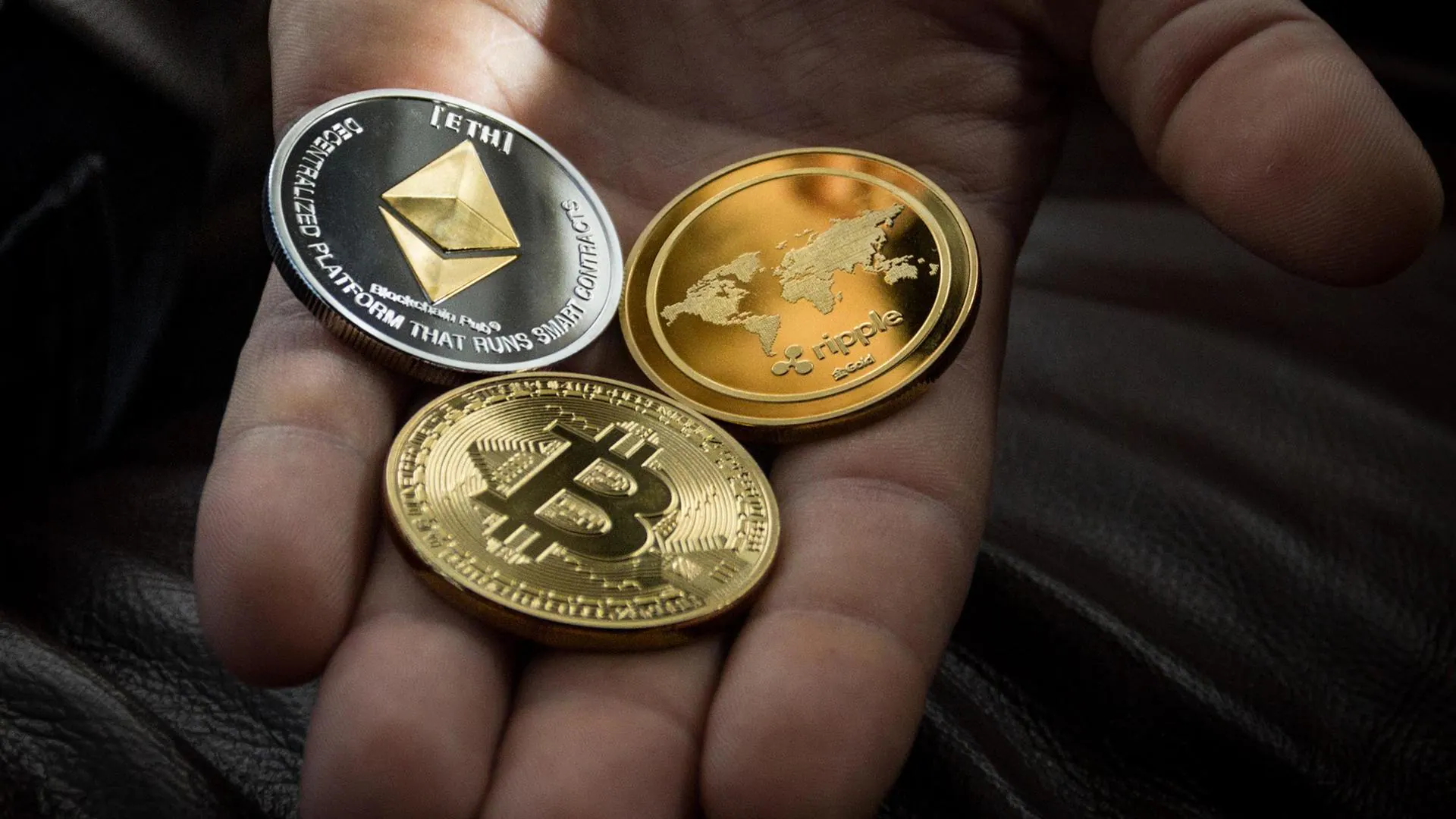


The South Korean government has ordered all virtual currency exchanges to enter the necessary data and details into the unfair virtual asset trading monitoring system. This system is expected to be fully operational in the next few days. The details of what the system will require exchanges to do are not yet clear.
This South Korean move reportedly comes as the country’s virtual property user protection law will come into force on July 19.
In an official statement released on Thursday, the FSS explained that these measures are necessary and important to curb unusual virtual currency transactions through continuous monitoring.
Virtual currencies that do not comply with South Korean regulatory guidelines may face operational difficulties in the country.
Korean virtual currency plan
In June this year, South Korean authorities required all crypto exchanges to verify the cryptocurrencies listed on their platforms.
These cryptocurrency trading platforms were also required to conduct a thorough maintenance review of their internal operations to identify security and technical gaps.
To reduce the risk of financial instability caused by volatile crypto assets, South Korea also banned the purchase of cryptocurrencies using credit cards in January this year.
Asian countries are paying attention to virtual currency regulations
Digital assets are booming thanks to technology and popular gaming culture in countries like Japan, Vietnam, South Korea and India. In this regard, South Korea is not alone in increasing its efforts to enact effective laws to regulate the digital asset industry.
India has also introduced a series of regulations for crypto companies to ensure that their services and offerings do not mislead the public and cause unexpected financial losses. For example, any cryptocurrency company that wants to operate in India must first ensure its registration with the Financial Information Unit (FIU).
Japanese Prime Minister Fumio Kishida has not hesitated to express his support for the growth and development of Web3 in Japan.
According to the 2022 Chainalysis report, in the second quarter of 2022, 58% of web traffic from Asian countries went to NFT-related crypto services, and the remaining 21% of traffic was related to blockchain games for monetization.・Said what is related to games

Bhupendra Singh Chundawat is a seasoned technology journalist with over 22 years of experience in the media industry. He specializes in covering the global technology landscape, with a deep focus on manufacturing trends and the geopolitical impact on tech companies. Currently serving as the Editor at Udaipur Kiran, his insights are shaped by decades of hands-on reporting and editorial leadership in the fast-evolving world of technology.