

India Urged to Establish Agentic AI Laws to Safeguard Sovereignty
Cyber expert Pavan Duggal emphasizes the urgent need for strict AI regulations in India to protect national security and human rights.
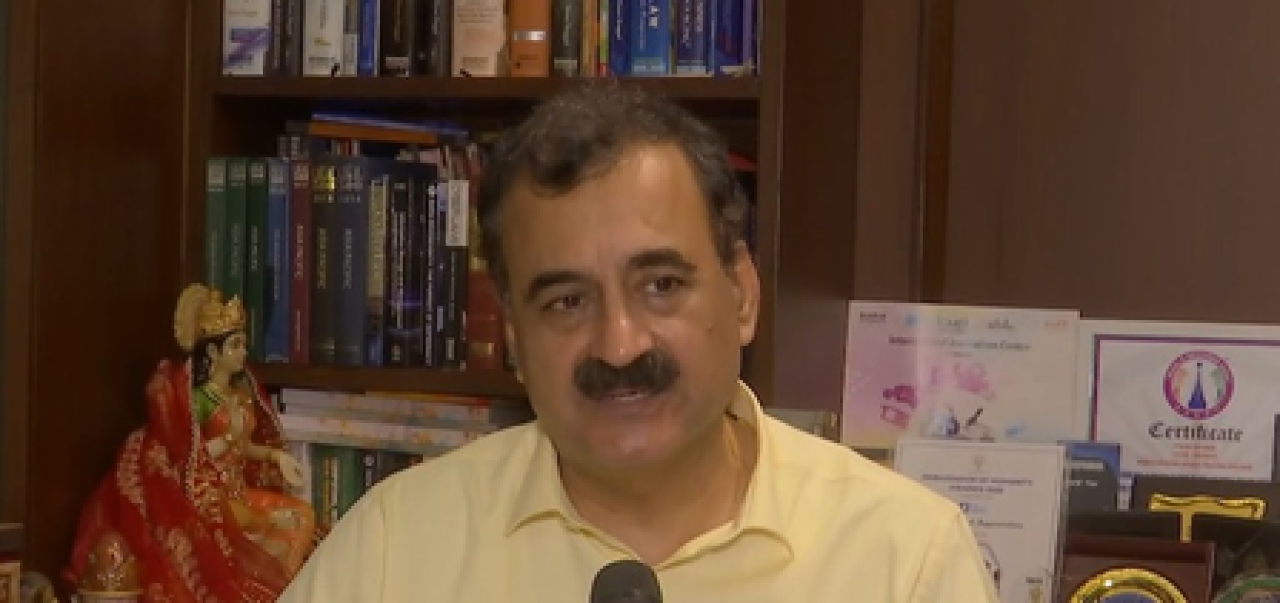

New Delhi, September 10 (Udaipur Kiran) : Prominent cyber expert and Supreme Court lawyer Pavan Duggal has raised alarms about the future of artificial intelligence (AI), asserting that the next two to three years will be crucial for both India and the global community. According to Duggal, AI is on the verge of surpassing human intelligence, posing significant risks to national security and individual rights if stringent regulations are not implemented promptly.
Duggal stated, “AI is advancing at a pace far beyond our expectations. Sam Altman has already indicated that we have reached a point of singularity, where AI has outstripped certain aspects of human intelligence. We may see the emergence of Artificial General Intelligence (AGI) by the end of this year or early next year, with superintelligence potentially following in the next few years. This presents a formidable challenge for us.”
He emphasized that once AGI is achieved, the implications for a nation’s sovereignty, security, and integrity will be paramount. “Superintelligence will possess capabilities that could eclipse the intelligence of all humanity. When Elon Musk warns that AI poses a threat to humanity, he is not mistaken. Therefore, the need for security measures regarding AI, AGI, and superintelligence is more pressing than ever, and the Indian government must prioritize this issue.”
Duggal pointed out that India is not just any country; it is the world’s largest democracy and the most populous nation. Consequently, the actions taken now will set a benchmark for the global south. He called for India to create distinct and dedicated legal frameworks for AI, noting that people in India tend to act only when backed by the force of law. Recommendations or voluntary guidelines often fail to translate into effective action.
He highlighted that no country has yet established laws specifically addressing agentic AI. While Singapore released voluntary guidelines on agentic AI earlier this year, Duggal believes India could set the standard for regulating AI that would apply to the global south. “We have all heard of the Universal Declaration of Human Rights from 1948, but it is time to recognize that humans also have rights against AI, to ensure greater accountability,” he concluded.

Bhupendra Singh Chundawat is a seasoned technology journalist with over 22 years of experience in the media industry. He specializes in covering the global technology landscape, with a deep focus on manufacturing trends and the geopolitical impact on tech companies. Currently serving as the Editor at Udaipur Kiran, his insights are shaped by decades of hands-on reporting and editorial leadership in the fast-evolving world of technology.