

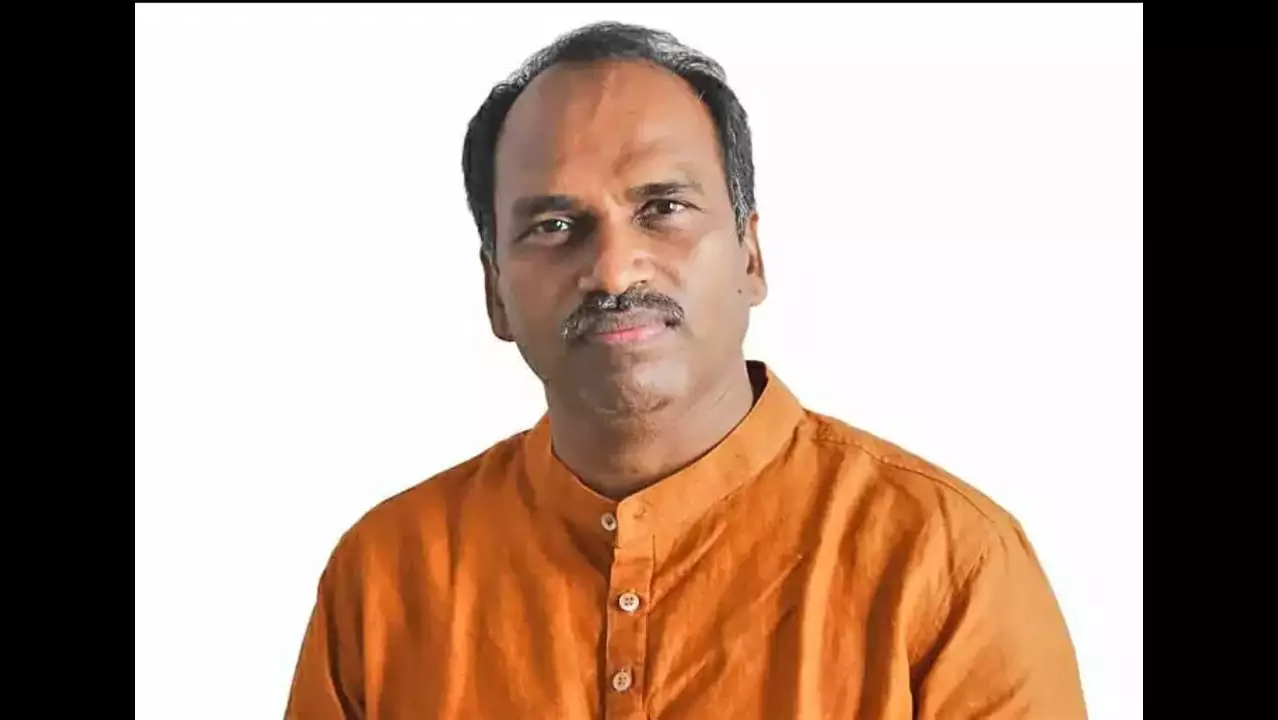
Udaipur witnessed a significant gathering of tribal leaders, panchayat representatives, and lawmakers during the “Panchayat to Parliament” event held at the Constitution Hall. Addressing the audience, Member of Parliament Dr. Mannalal Rawat highlighted the transformative role of the PESA (Panchayats Extension to Scheduled Areas) Act in bringing the Fifth Schedule of the Indian Constitution to practical implementation. Dr. Rawat’s remarks underscored the historic neglect of tribal communities under Congress regimes and contrasted it with the proactive measures taken by the Bharatiya Janata Party (BJP) to ensure cultural preservation and socio-economic development.

Understanding the PESA Act and the Fifth Schedule
What is the PESA Act?
The Panchayats Extension to Scheduled Areas (PESA) Act was enacted in 1996 to empower tribal communities by granting them autonomy in managing their resources, traditions, and governance. It was specifically designed for areas listed under the Fifth Schedule of the Constitution, which covers regions with a significant tribal population.
Significance of the Fifth Schedule
The Fifth Schedule outlines special provisions for the administration and governance of scheduled areas, aiming to protect tribal interests. According to Dr. Rawat, the implementation of the PESA Act has breathed life into the constitutional provisions of the Fifth Schedule, providing a framework for tribal self-rule.
The State of PESA Act Implementation in India
Out of 10 states eligible for implementing the PESA Act, nine have successfully enacted rules to operationalize it. However, Dr. Rawat pointed out that Jharkhand remains the only state where the PESA Act is yet to be implemented through formal regulations, calling for immediate action to rectify this delay.
Major Initiatives for Tribal Development
Dr. Rawat praised Prime Minister Narendra Modi’s leadership over the past decade, highlighting several initiatives aimed at tribal welfare. He emphasized that while Congress governments historically overlooked tribal communities, the BJP has taken concrete steps to empower them.
Key Programs Mentioned by Dr. Rawat
- Dharati Aaba Tribal Development Campaign
Launched with an outlay of ₹80,000 crore, this campaign focuses on improving living conditions in tribal-dominated villages. - Prime Minister’s Jan Man Yojana
With an allocation exceeding ₹24,000 crore, this scheme targets holistic development in scheduled areas, including healthcare, education, and infrastructure. - Tribal Pride Day (Janajatiya Gaurav Diwas)
Declaring Birsa Munda’s birth anniversary as Tribal Pride Day was a significant move to honor the legacy of tribal heroes. - Establishment of National Tribal Museums
The government has initiated the construction of 10 national museums dedicated to showcasing tribal history, culture, and heritage.
Call for Tribal Unity and Awareness
Dr. Rawat urged tribal representatives and panchayat members to counter misinformation regarding the Fifth and Sixth Schedules. He appealed to them to spread awareness about the constitutional provisions that safeguard tribal rights and to work tirelessly toward realizing the vision of a developed India by 2047, as envisioned by Prime Minister Modi.
Countering Misconceptions
He specifically addressed attempts by certain groups to create confusion about the provisions of the Fifth and Sixth Schedules, urging local leaders to use factual information to dispel such myths.
Achievements of BJP in Scheduled Areas
Special Reservation Policies
Dr. Rawat highlighted that successive BJP governments in Rajasthan introduced special reservation policies for tribal youth in 1995, 1996, 2007, and 2016. These policies ensured greater educational and employment opportunities for tribal communities.
Expansion of Scheduled Areas
In 2018, the BJP government in Rajasthan expanded the state’s scheduled areas, granting constitutional strength to local tribal populations. This move was pivotal in ensuring that tribal communities could access greater rights and benefits under the Fifth Schedule.
Congress Criticized for Neglecting Tribes
In a sharp critique of previous Congress administrations, Dr. Rawat accused them of long-term neglect and apathy toward tribal communities. He contrasted this with the BJP’s efforts, which, according to him, have resulted in tangible benefits for tribal populations, including enhanced governance, cultural preservation, and economic development.
Event Highlights and Participation
The event, organized to commemorate the 150th birth anniversary of tribal freedom fighter Birsa Munda, was jointly hosted by the National Commission for Women, the Ministry of Tribal Affairs, and the Lok Sabha Secretariat. The gathering saw participation from approximately 500 women representatives from 22 states, including over 40 women from the Udaipur division.
Dignitaries Present
Several prominent leaders addressed the event, including:
- Om Birla, Speaker of the Lok Sabha
- Vijaya Rahatkar, Chairperson of the National Commission for Women
- Annapurna Devi, Union Minister for Women and Child Development
- Savitri Thakur, Union Minister of State for Women and Child Development
Their speeches echoed a common theme: empowering tribal communities and ensuring their rightful place in India’s development journey.
The Role of Sixth Schedule in Northeast States
Dr. Rawat also presented facts about the Sixth Schedule, which applies to four northeastern states—Assam, Meghalaya, Tripura, and Mizoram. He pointed out how the provisions under the Sixth Schedule allow greater autonomy and self-governance for tribal communities in these regions. While the Fifth Schedule focuses on tribal areas in mainland India, the Sixth Schedule caters specifically to the unique cultural and administrative needs of the northeastern tribes.
Future Roadmap for Tribal Development
Collaborative Efforts
Dr. Rawat called for greater collaboration between tribal leaders, local representatives, and the government to ensure the sustained development of scheduled areas.
Strengthening Local Governance
He emphasized the importance of empowering gram sabhas (village assemblies) under the PESA Act to manage local resources effectively and uphold traditional practices.
Vision for 2047
Reiterating Prime Minister Modi’s call for a developed India by 2047, Dr. Rawat urged tribal communities to actively participate in nation-building. He stressed that tribal inclusion in India’s growth story is critical for achieving this ambitious goal.
Conclusion
The “Panchayat to Parliament” event was a powerful platform to showcase the strides made in tribal development under the BJP government. Dr. Mannalal Rawat’s speech not only celebrated the achievements of the past decade but also outlined a clear roadmap for the future. With initiatives like the PESA Act and focused development schemes, India is on track to ensure that its tribal communities receive the respect, resources, and representation they deserve.
FAQs
Q1. What is the PESA Act, and why is it important?
The PESA Act extends the provisions of Panchayati Raj to scheduled areas, empowering tribal communities by granting them autonomy in local governance.
Q2. How many states have implemented the PESA Act?
Nine out of ten eligible states have implemented the PESA Act. Jharkhand is the only state yet to operationalize it through formal rules.
Q3. What are the key initiatives for tribal welfare under the BJP government?
Major initiatives include the Dharati Aaba Tribal Development Campaign, Prime Minister’s Jan Man Yojana, Tribal Pride Day, and the establishment of national tribal museums.
Q4. How does the Fifth Schedule differ from the Sixth Schedule?
The Fifth Schedule applies to tribal areas in mainland India, while the Sixth Schedule caters to the specific needs of tribal regions in northeastern states, granting them greater autonomy.
Q5. What message did Dr. Rawat convey to tribal leaders?
Dr. Rawat urged tribal leaders to counter misinformation, spread awareness about constitutional provisions, and work toward realizing the dream of a developed India by 2047.

Bhupendra Singh Chundawat is a seasoned technology journalist with over 22 years of experience in the media industry. He specializes in covering the global technology landscape, with a deep focus on manufacturing trends and the geopolitical impact on tech companies. Currently serving as the Editor at Udaipur Kiran, his insights are shaped by decades of hands-on reporting and editorial leadership in the fast-evolving world of technology.