


A new study reveals why sometimes both humans and monkeys may freeze up when rewards get too high. For this, scientists in their research figured out that stress messes with the brain signals needed to carry out a movement, thereby making the performance not so great. For this test, three monkeys participated after completing certain tasks for which they would receive a reward-water. While moderate reward is concerned, the monkeys performed well. However, when faced with the potential for a high reward, their performance declined drastically. There have indeed been similar experiences for players who have participated in high-stakes situations, including competitive sports or performing arts.
Understanding Motor Preparation
The Neuron study brought their reaction time and accuracy to capture a target on the screen. They had to wait for an appropriate cue to achieve the act of reaching, and cue colors marked different reward sizes. The scientists knew before the experimental runs that monkeys could detect larger rewards with near-perfect accuracy.
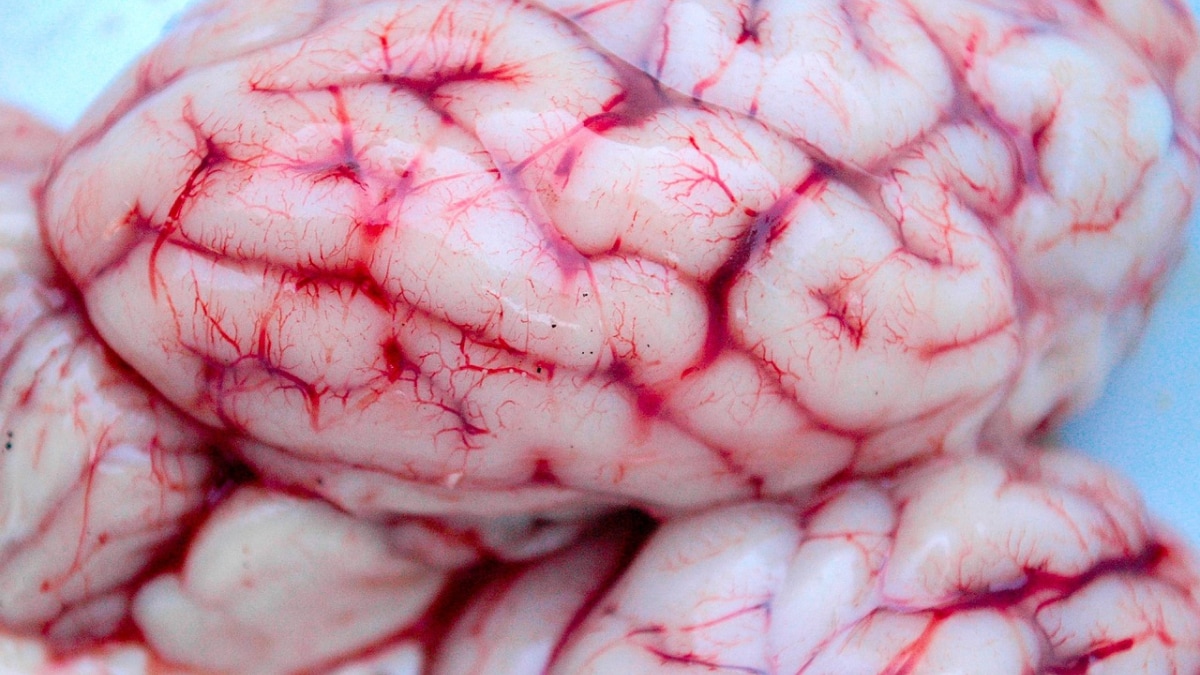
While conducting the experiments, scientists monitored hundreds of neurons in the monkeys’ brains by placing electrodes in such areas of the brain where “motor preparation” occurs. Surprisingly, the monkeys were at their worst when it came to their tasks, if the reward was either too low or too huge. According to Adam Smoulder, a doctoral candidate at Carnegie Mellon University and lead author of the paper, the monkeys were far too careful when it came to large rewards-thus lowering their speed.
Implications for Human Behaviour
According to researchers, reward size is related to whether or not the brain lands in an “optimal zone” of motor preparation — where performance is maximized — or overshoots that zone and performance declines. Co-senior author Steven Chase, a professor of biomedical engineering at Carnegie Mellon, mentioned the implications of this work in understanding human behavior, for example, addictions, obsessive compulsive disorders.
Therefore, the researchers are interested in finding out how to activate those optimal neural patterns to enhance performance under pressure. In the words of Christopher Mesagno, senior lecturer at Victoria University, “While this study illuminates insights about neural pathways, future research might further expose the effect of social anxiety in humans.”

Bhupendra Singh Chundawat is a seasoned technology journalist with over 22 years of experience in the media industry. He specializes in covering the global technology landscape, with a deep focus on manufacturing trends and the geopolitical impact on tech companies. Currently serving as the Editor at Udaipur Kiran, his insights are shaped by decades of hands-on reporting and editorial leadership in the fast-evolving world of technology.