

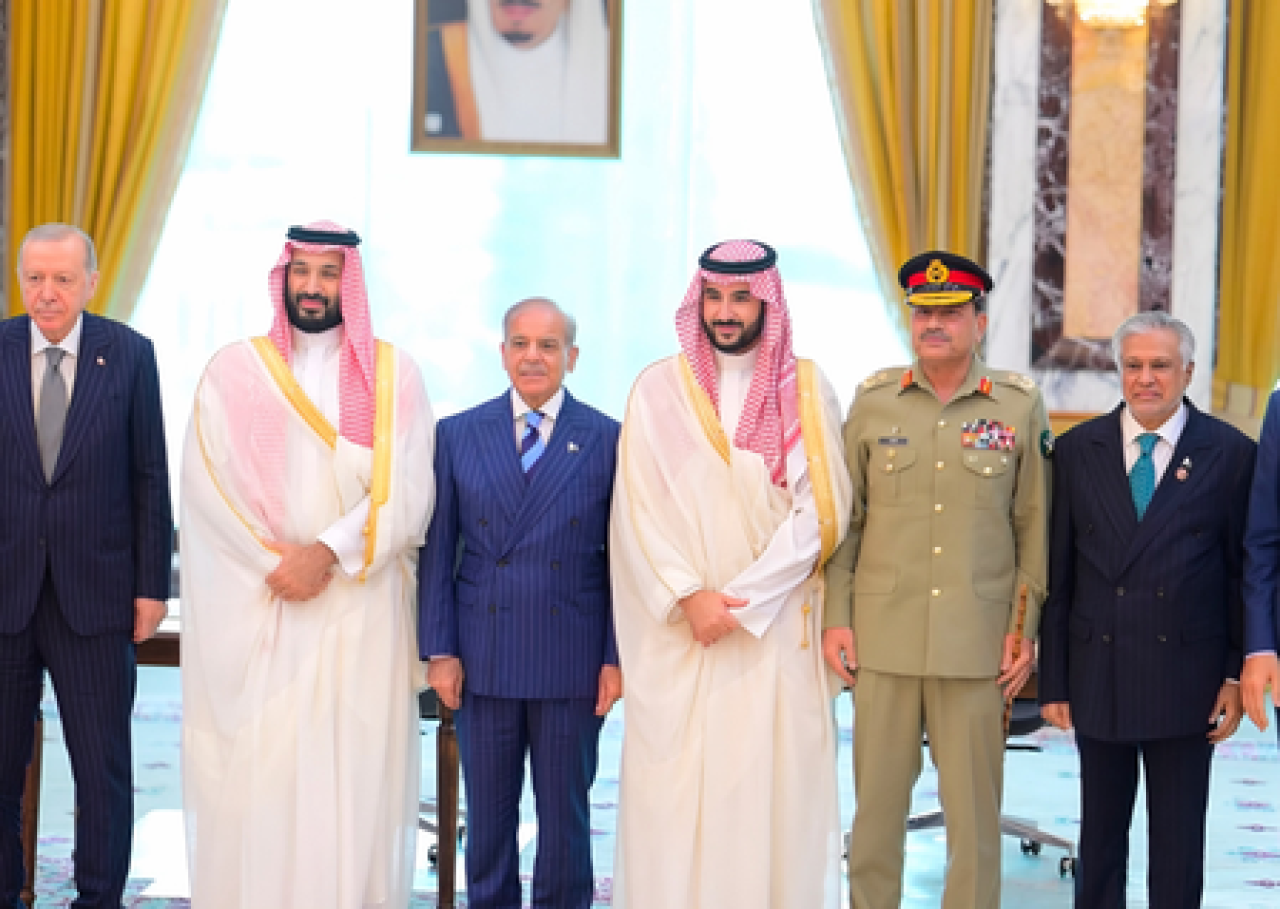

New Delhi, September 24 (Udaipur Kiran) : Strategic analysts are raising concerns about the long-term sustainability of the Makkah Agreement, forged between Pakistan, Saudi Arabia, and Turkey. Discussions surrounding this agreement have gained traction internationally, yet experts argue that alliances based solely on religious or identity factors are unlikely to endure. They emphasize that a successful coalition relies on shared security threats, clear strategic objectives, and mutual commitments among member nations.
Drawing parallels to historical alliances, analysts note that the coalition formed during the Cold War among the United States and European nations was a response to a common threat posed by the Soviet Union. In that context, the interests and threats faced by these countries were aligned, making them willing to share the costs and responsibilities of the alliance. In contrast, the three nations involved in the Makkah Agreement come from distinct regions and face different security challenges.
The agreement, signed on August 7 in Makkah, has been described by some as a significant shift in the politics of West Asia. Proponents argue that Saudi Arabia’s economic strength, Turkey’s defense industry, and Pakistan’s military capabilities could create a formidable axis. However, experts question what the shared security threat among these countries actually is and under what circumstances an attack on one would be considered an attack on all.
For instance, in the event of military action against Pakistan amid tensions with India, it remains unclear whether Saudi Arabia or Turkey would provide military assistance. Similarly, if Saudi Arabia were attacked by Iran or the Houthis, would Pakistan and Turkey intervene militarily? Turkey’s primary security concern involves the Kurdish forces, a situation where the roles of Pakistan and Saudi Arabia remain ambiguous.
Analysts further contend that sharing a Muslim identity does not equate to aligned security interests among diverse nations. The 2019 Kuala Lumpur summit serves as a case in point, where Pakistan and Turkey attempted to challenge Saudi leadership in the Muslim world alongside Malaysia. Today, however, countries like Saudi Arabia and the United Arab Emirates are supporting different factions in Sudan.
The Makkah Agreement appears to be a political coordination responding to current conditions in West Asia rather than a long-term security arrangement. There is no overarching strategy or shared defense policy that binds the three nations together. While the Palestinian issue is cited as a common concern, the most active forces supporting Palestine are Iran and the Houthis, with whom Saudi Arabia has had tense relations.
The analysis also touches upon India’s foreign policy, noting that India has consistently pursued a strategy of strategic autonomy, making decisions based on its security and economic interests. Despite strong defense and economic ties with the United States, India has not automatically adopted Washington’s policies towards countries like Cuba, Iran, or China.

My name is Ganpat Singh Choughan. I am an experienced content writer with 8 years of expertise in the field. Currently, I contribute to Udaipur Kiran & Daily Kiran, creating engaging and informative content across a variety of categories including technology, health, travel, education, and automobiles. My goal is to deliver accurate, insightful, and captivating information through my words to help readers stay informed and empowered.