


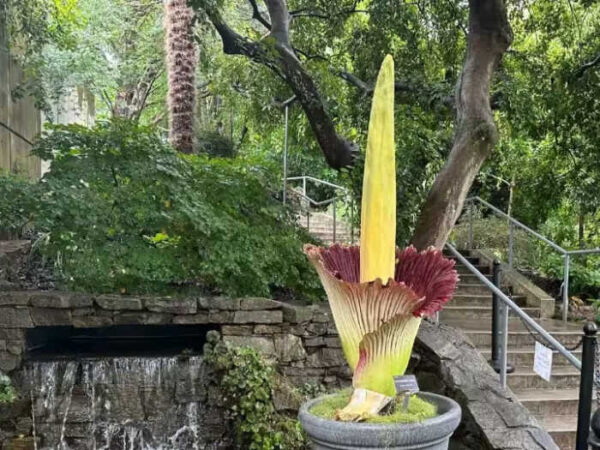

The Infamous Flower: Known by the scientific name Rafflesia arnoldii, this rare and formidable flower hails from the rainforests of Southeast Asia. With a bloom that lasts for just a few days, the Rafflesia arnoldii attracts attention not only for its striking appearance but also for the bacterial dispersion it facilitates during its short lifespan.
Blooming Beauty with a Dark Secret: The Rafflesia arnoldii boasts an enormous size, often reaching up to three feet in diameter and weighing up to 24 pounds, making it the largest individual flower in the world. Its magnificent features, including vibrant red hues and a petal-like structure, initially captivate unsuspecting onlookers. However, concealed within its beguiling appearance lies a sinister ability that poses a significant threat to both humans and the environment.
The Role of Bacteria: During its short-lived bloom, the Rafflesia arnoldii emits a pungent odor that attracts insects, particularly flies, to its core. These insects unwittingly become the vehicle for the flower’s reproductive strategy. As the flies land on the plant, they pick up pollen and, more alarmingly, become coated with bacterial spores found within the flower. These spores, belonging to the genus Rafflesiaceae, adhere to the insects and are carried away as they continue their search for nourishment.
Far-Reaching Bacterial Spread: The danger lies in the Rafflesia arnoldii’s bacteria-laden insects, which can travel substantial distances during their lifetime. Flies attracted to the bloom can journey for many kilometers, becoming potential vectors for the dispersion of the bacteria. As they land on other surfaces, including human food, plants, and even wounds, these contaminated insects can transmit harmful pathogens, thereby posing a risk to the health and well-being of both humans and other organisms within their vicinity.
Health Implications: The bacterial spread associated with the Rafflesia arnoldii can have severe consequences. The bacterial genus Rafflesiaceae includes strains that are known to cause infections, such as sepsis, skin infections, and respiratory ailments, in humans and animals. In areas where the flower blooms, caution is crucial to prevent accidental exposure and potential health complications.
Conservation Challenges: The Rafflesia arnoldii faces numerous conservation challenges due to habitat loss, deforestation, and illegal collection. With its blooming cycle occurring once every ten years, the plant’s limited and sporadic appearances make it a highly sought-after natural wonder. However, such interest can further endanger its survival, as destructive practices may disrupt its delicate ecosystem and threaten its existence.
Conclusion: The world’s most dangerous flower, the Rafflesia arnoldii, is a remarkable example of nature’s fascinating and sometimes perilous creations. Its massive size, captivating appearance, and bacterial dispersal mechanism make it a captivating subject of study and curiosity. However, it is essential to approach this flower with caution, considering the potential health risks associated with its bacterial spread. As we marvel at the wonders of our natural world, let us also strive to protect and

Bhupendra Singh Chundawat is a seasoned technology journalist with over 22 years of experience in the media industry. He specializes in covering the global technology landscape, with a deep focus on manufacturing trends and the geopolitical impact on tech companies. Currently serving as the Editor at Udaipur Kiran, his insights are shaped by decades of hands-on reporting and editorial leadership in the fast-evolving world of technology.