

Huawei is expected to introduce the Mate 70 series in the fourth quarter of this year as a direct successor to the Mate 60 series. The Chinese tech brand has yet to confirm the existence of the new series, but a new leak has previously surfaced on Weibo detailing the specifications. The Huawei Mate 70 phones will reportedly come with an upgraded Kirin chipset and improved imaging features. They can support wireless charging and satellite communication.
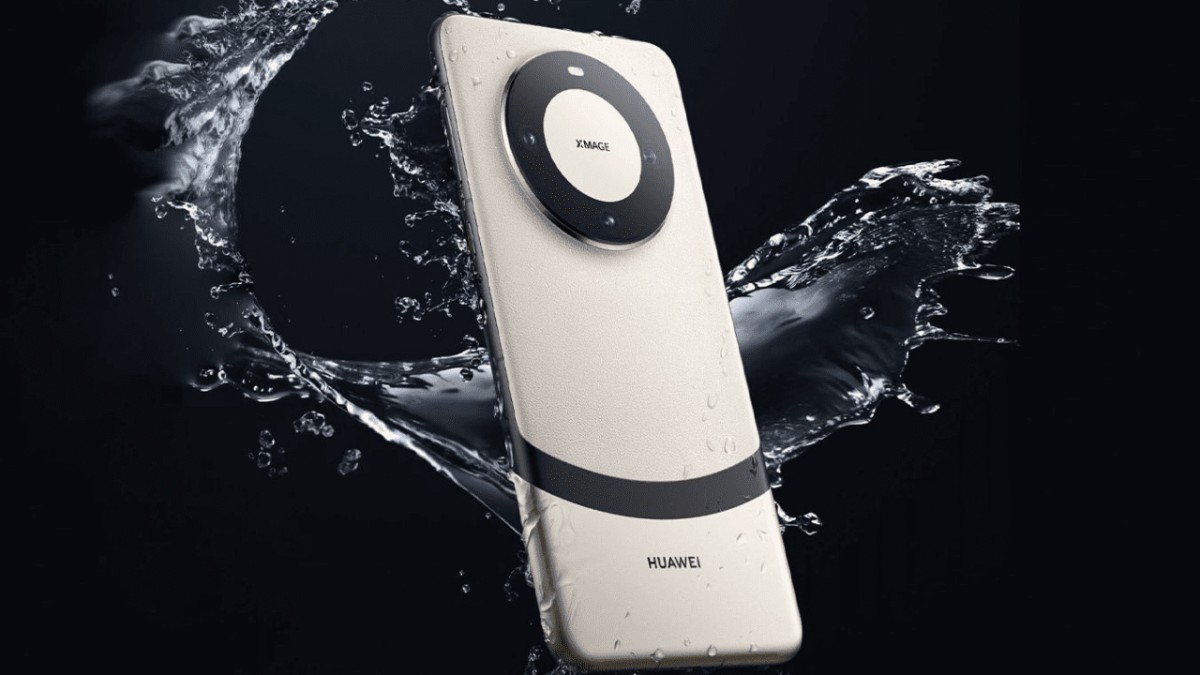

Huawei Mate 70 Series Specifications (Expected)
Tipster Smart Pikachu (translated from Chinese) posted on Weibo that the Huawei Mate 70 series will come with significant improvements such as support for satellite connectivity. It is said to be equipped with new variable aperture technology and a periscopic telephoto lens. Phones can also offer 3D spatial zoom to provide immersive picture and sound. It is expected to be released in October.
The Huawei Mate 70 series runs HarmonyOS Next, which is based on the Hongmeng core. It is expected to come with a Kirin chip with AI-based features. The smartphones of the future must have 1.5K resolution displays.
Huawei Mate 60 price, specifications
The Huawei Mate 60 was launched in September last year at a starting price of 5,999 yuan (roughly Rs. 68,500). It runs Harmony OS 4 and features a 6.69-inch LTPO OLED display (1216 x 2688 pixels) with an adaptive refresh rate of up to 120Hz. It has a triple rear camera with a 50-megapixel primary sensor. For selfies, there is a single 8-megapixel sensor on the front.
Huawei has equipped the Huawei Mate 60 with a 4750 Ah battery that supports 66W fast charging, 50W fast wireless charging and reverse wireless charging. It is IP68 water resistant and comes in 256GB, 512GB and 1TB internal storage. The phone also features Beidou two-way satellite messaging.

Bhupendra Singh Chundawat is a seasoned technology journalist with over 22 years of experience in the media industry. He specializes in covering the global technology landscape, with a deep focus on manufacturing trends and the geopolitical impact on tech companies. Currently serving as the Editor at Udaipur Kiran, his insights are shaped by decades of hands-on reporting and editorial leadership in the fast-evolving world of technology.