
Donald Trump Shocks Ukraine: Halts Military Aid After Heated Clash with Zelensky
U.S. Takes Action Following Tense Exchange Between Trump and Zelensky
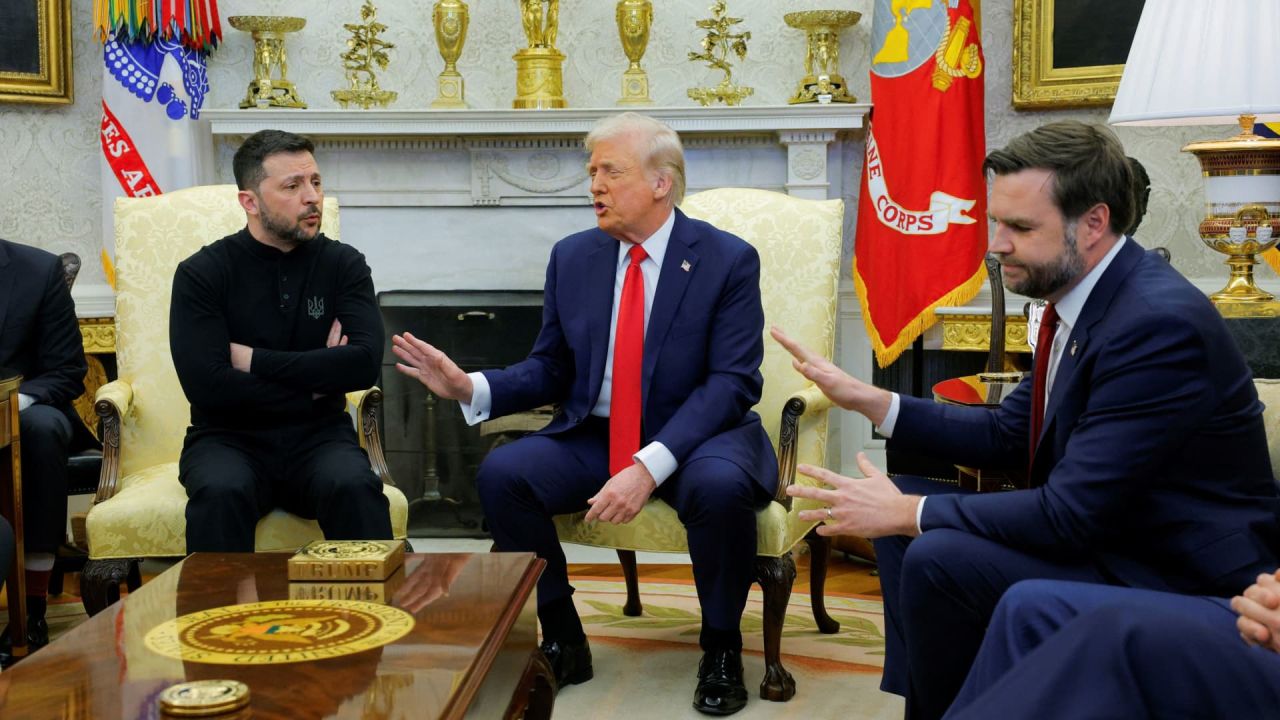
In a major geopolitical development, U.S. President Donald Trump has officially halted military aid to Ukraine, following a heated confrontation with Ukrainian President Volodymyr Zelensky at the Oval Office. The White House confirmed that this decision reflects Trump’s stance on ending the ongoing war and his dissatisfaction with Ukraine’s approach to peace negotiations.

Trump’s Stand: “Ukraine is Not Supporting Peace”
President Trump has long claimed that he can end the Russia-Ukraine war swiftly. Following his 2024 election victory, he reiterated that Russian President Vladimir Putin is willing to negotiate a ceasefire, but he accused Ukraine of being the obstacle to peace.
“Ukraine is not on the side of peace,” Trump stated, defending his decision to block further U.S. military aid to Kyiv. The move signals a major shift in U.S. foreign policy, breaking from the stance of his predecessor, Joe Biden, who had strongly backed Ukraine with arms and financial aid.
Oval Office Showdown: Trump’s Fiery Confrontation with Zelensky
Tensions escalated when Zelensky met Trump at the White House, expecting continued U.S. support. However, the meeting quickly turned into a heated exchange over a controversial mineral deal.
Key Moments from the Clash:
✔ Trump accused Zelensky of being ungrateful for U.S. support, stating that Ukraine had received substantial aid without reciprocating in ways that benefited America.
✔ The dispute centered around a mineral deal, with the U.S. demanding unconditional agreement, while Zelensky insisted on security guarantees in return.
✔ Trump blamed Zelensky for fueling World War III, calling him a “foolish president.”
✔ An infuriated Zelensky left the meeting without even staying for dinner, leading to further diplomatic fallout.
Following the clash, Trump’s allies have intensified pressure on Ukraine to comply with U.S. demands, signaling a tough stance on aid moving forward.
Trump’s History with Ukraine: A Repeat of His 2019 Impeachment Scandal?
This is not the first time Trump has clashed with Ukraine over military aid. In 2019, during his first presidency, Trump froze Congress-approved military assistance to Ukraine while pressuring Kyiv to launch an investigation against Joe Biden—an action that led to his first impeachment trial.
Now, as President once again, Trump is using a similar approach—cutting off aid unless Ukraine agrees to his terms.
European Leaders Rally Behind Zelensky
Following his clash with Trump, Zelensky traveled to London, where he was welcomed with strong support from European allies. UK Prime Minister Keir Starmer personally met him and pledged continued military and financial assistance.
Key Developments in Europe:
✔ Britain to play a leading role in peace efforts in the Russia-Ukraine war.
✔ UK Parliament united in backing Ukraine, with opposition leaders also supporting Starmer’s stance.
✔ EU leaders praise Zelensky for standing up to Trump and defending Ukraine’s sovereignty.
The latest developments suggest a growing divide between U.S. and European allies over Ukraine policy, with Britain and the EU taking a more aggressive stance against Russia, while Trump moves toward reducing U.S. involvement.
Geopolitical Fallout: What Happens Next?
The halt in U.S. military aid is a major blow to Ukraine, which has been relying on Western support to sustain its war efforts against Russia. Trump’s new stance aligns more closely with Putin’s interests, raising concerns that Ukraine could be left increasingly vulnerable.
Potential Consequences of Trump’s Decision:
🔹 Ukraine may struggle to maintain its defenses without U.S. weapons and financial backing.
🔹 EU and NATO might have to step up aid efforts to compensate for the American withdrawal.
🔹 Russia could use this opportunity to intensify its military campaign, knowing that Ukraine’s resources are dwindling.
🔹 U.S.-Europe relations may become strained, with European leaders opposing Trump’s isolationist policies.
The global implications of this decision are immense, as it could shift the balance of power in the Russia-Ukraine conflict, potentially paving the way for Russia’s strategic advantage.

Bhupendra Singh Chundawat is a seasoned technology journalist with over 22 years of experience in the media industry. He specializes in covering the global technology landscape, with a deep focus on manufacturing trends and the geopolitical impact on tech companies. Currently serving as the Editor at Udaipur Kiran, his insights are shaped by decades of hands-on reporting and editorial leadership in the fast-evolving world of technology.