

Election Commission Imposes Liquor Ban Till February 5 Evening in Bordering Areas of Uttar Pradesh and Haryana
New Delhi, February 3 – As the Delhi Assembly Elections 2025 approach, the Election Commission of India (ECI) has enforced a dry day, restricting the sale of liquor across the national capital and its bordering regions.
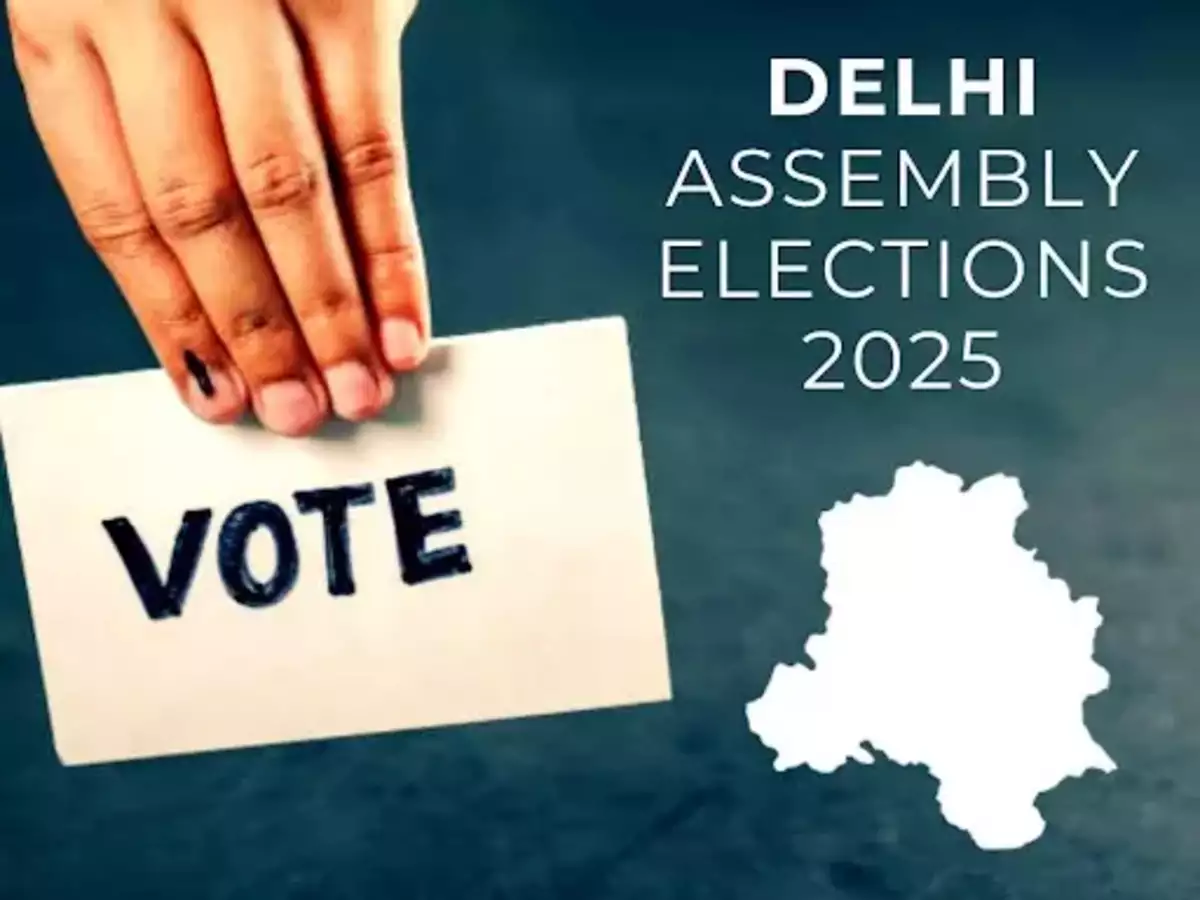

In adherence to electoral norms, liquor shops in Delhi, Noida, Ghaziabad, and Gurugram will remain closed from 6 PM on February 3 until 6 PM on February 5, coinciding with the polling schedule. Additionally, another dry day has been declared on February 8, the day of the vote counting process.
The directive aims to ensure a fair and orderly election process while maintaining law and order in the region.
Delhi Assembly Elections 2025: Key Details
The campaigning period for the Delhi Assembly elections concluded on February 3 at 5 PM. The voting for all 70 assembly seats is scheduled for February 5, with results set to be announced on February 8.
A total of 699 candidates are contesting in the elections, representing the Aam Aadmi Party (AAP), Bharatiya Janata Party (BJP), and the Indian National Congress (INC), among others. The battle for Delhi is expected to be intense, with key focus areas including governance, infrastructure, and public welfare.
According to the Chief Electoral Officer (CEO) of Delhi, a total of 1.56 crore voters are eligible to cast their votes. The polling process will take place at 13,766 polling booths, with 733 booths specially designated for differently-abled voters.
Voter Demographics in Delhi
- Male Voters: 83.76 lakh
- Female Voters: 72.36 lakh
- Third-Gender Voters: 1,267
To facilitate smooth polling, the Election Commission has introduced the ‘Queue Management System (QMS)’ mobile application, enabling voters to check real-time queue status at polling stations via the ‘Delhi Election 2025 QMS’ app.
Liquor Ban in Delhi, Noida, Ghaziabad, and Gurugram
The Election Commission has instructed the governments of Uttar Pradesh and Haryana to suspend liquor sales in areas bordering Delhi. As a result, liquor shops in Noida, Ghaziabad, and Gurugram will also remain closed until the evening of February 5 to prevent any electoral malpractice.
Dry Days Schedule
📅 February 3 (6 PM) – February 5 (6 PM): Liquor sales banned for the polling period.
📅 February 8 (Entire Day): Liquor shops to remain closed on vote counting day.
This measure is taken to prevent unlawful distribution of liquor and ensure a free and fair electoral process.
Key Electoral Issues and Campaign Highlights
The Delhi elections have witnessed intense political campaigning, with major parties focusing on various developmental and governance issues.
Aam Aadmi Party (AAP)
- Chief Minister Arvind Kejriwal seeks a third consecutive term, positioning the elections as a referendum on AAP’s governance model.
- Key focus areas include education, healthcare, free electricity, and public transport.
Bharatiya Janata Party (BJP)
- Aims to end AAP’s 10-year rule and regain power after 26 years.
- BJP targeted AAP’s alleged misgovernance, highlighting issues like the liquor policy controversy, Yamuna river pollution, and alleged misuse of public funds.
- Prime Minister Narendra Modi, BJP President JP Nadda, and Home Minister Amit Shah led multiple rallies, urging voters to support BJP’s governance model.
Indian National Congress (INC)
- Focused on past achievements during Sheila Dikshit’s tenure, particularly in infrastructure, water, electricity, and urban development.
- Promised to address unemployment, inflation, and public grievances.
Special Voting Provisions for Senior Citizens and Differently-Abled Voters
For the first time, Delhi elections introduced home voting services for senior citizens and differently-abled voters. Out of 7,553 eligible voters, 6,980 have already exercised their franchise through this facility, which was conducted between January 24 and February 4.

Bhupendra Singh Chundawat is a seasoned technology journalist with over 22 years of experience in the media industry. He specializes in covering the global technology landscape, with a deep focus on manufacturing trends and the geopolitical impact on tech companies. Currently serving as the Editor at Udaipur Kiran, his insights are shaped by decades of hands-on reporting and editorial leadership in the fast-evolving world of technology.