

Human-Provided Food Disrupts Shark Health and Reproduction
Mo’orea, French Polynesia – Blacktip reef sharks, a vulnerable species, are experiencing detrimental health effects due to frequent feeding by tourists, according to recent research. The practice of offering frozen squid, human leftovers, and other low-quality scraps has led to significant metabolic, behavioral, and reproductive changes in these sharks.
A study published in Animal Conservation highlights the alarming consequences of human interference in the sharks’ diet, prompting concerns over long-term population sustainability.
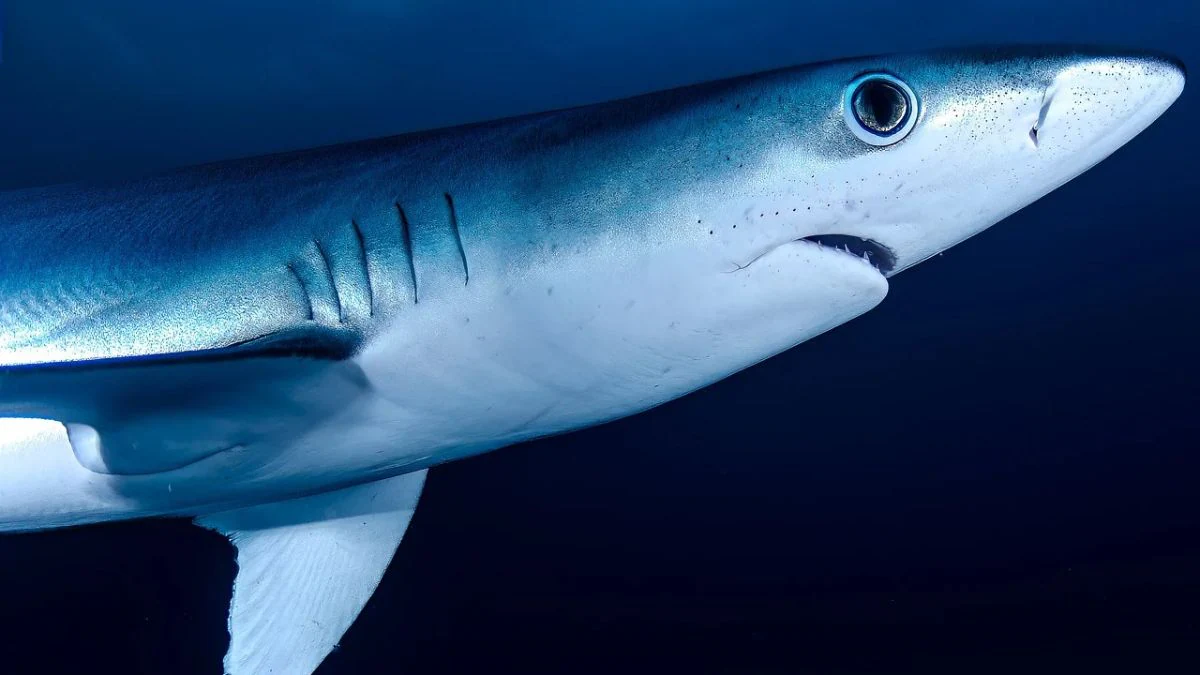

Tourist Feeding Disrupts Shark Metabolism
Marine behavioral ecologist Johann Mourier of the University of Montpellier led a three-year study analyzing 117 blacktip reef sharks across 17 sites, five of which were known for frequent tourist-driven feeding.
The study’s findings reveal that sharks at feeding sites exhibited:
✔ Lower red blood cell counts – a key marker of weakened health
✔ Reduced blood glucose levels in females – an indication of nutritionally inadequate food intake
Unlike their natural diet, food scraps provided by tourists lack essential nutrients, leading to metabolic imbalances and potential long-term health complications.
Reproductive Disruptions Raise Conservation Concerns
The research also uncovered worrying trends in shark reproduction, with feeding-site sharks displaying hormonal imbalances that could threaten population stability.
✔ Male sharks in feeding areas had higher testosterone levels, possibly due to intensified competition for food.
✔ Female sharks at non-feeding sites were consistently pregnant and had three times higher estrogen levels compared to those at feeding locations.
✔ At feeding sites, many females were not carrying pups, suggesting that nutritional deficiencies may be impairing reproductive success.
These findings point to a serious ecological impact, with irregular feeding patterns potentially reducing breeding success and jeopardizing the future of the species.
Experts Call for Regulation of Shark Feeding
Marine scientists and conservationists are urging tighter regulations on shark feeding practices to prevent further disruptions to natural behavior and overall health.
In an interview with Science News, biologist Natascha Wosnick from the Cape Eleuthera Institute warned that unregulated shark feeding not only compromises individual shark welfare but also alters their behavior in unnatural ways.
The issue extends beyond Mo’orea, with nurse sharks in the Bahamas and other species also facing risks from human-induced dietary changes. Experts emphasize the need for stricter guidelines on food quality and feeding frequency, especially during critical breeding seasons, to protect shark populations from long-term harm.
The Future of Shark Conservation in Tourist Hotspots
As ecotourism continues to expand, finding a balance between wildlife interaction and conservation is crucial. French Polynesia, renowned for its pristine marine ecosystems, must enforce sustainable tourism practices to ensure the health and survival of its blacktip reef sharks.
With mounting evidence that tourist-driven feeding disrupts shark health and reproduction, marine experts stress the urgency of implementing policies that prioritize ecosystem integrity over commercial gain.

Bhupendra Singh Chundawat is a seasoned technology journalist with over 22 years of experience in the media industry. He specializes in covering the global technology landscape, with a deep focus on manufacturing trends and the geopolitical impact on tech companies. Currently serving as the Editor at Udaipur Kiran, his insights are shaped by decades of hands-on reporting and editorial leadership in the fast-evolving world of technology.