

Riyadh, October 21 (Udaipur Kiran): In a landmark labour reform, Saudi Arabia has officially abolished the decades-old Kafala (sponsorship) system, marking a historic shift in workers’ rights and employment freedom in the Gulf region. The move, announced in June 2025, has now come into effect, benefiting nearly 1.3 crore migrant workers, many of whom hail from India, South Asia, and Southeast Asia.
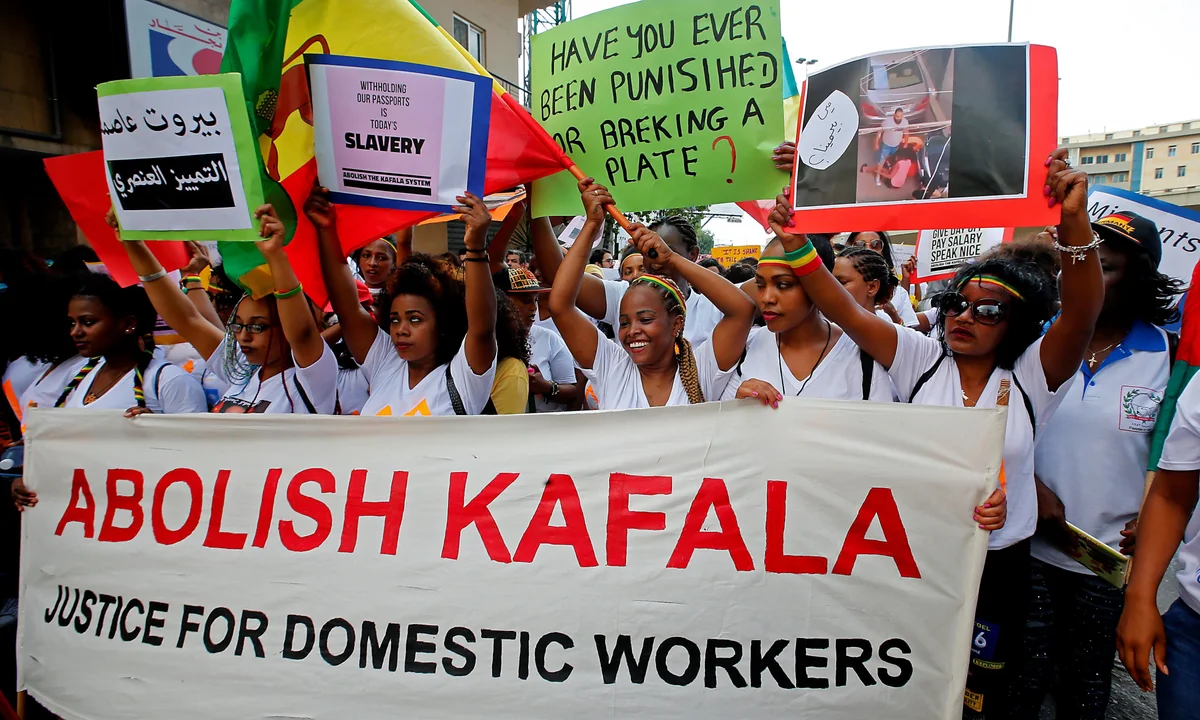

What Was the Kafala System?
Derived from the Arabic word ‘Kafala’, meaning ‘sponsorship’, the system required every foreign worker to be tied to a local sponsor or employer—known as a Kafeel. This employer had full control over the worker’s employment, movement, and legal status. Migrant workers were not allowed to change jobs, leave the country, or seek legal help without their sponsor’s permission.
Initially introduced in the 1950s to regulate foreign labour in Gulf countries, the Kafala system was widely adopted in Saudi Arabia, Qatar, Kuwait, and Jordan. While it was designed to facilitate the growing demand for foreign labour in oil-rich economies, it gradually turned into a tool for worker exploitation.
System of Exploitation
Over the years, the Kafala system became synonymous with worker abuse and modern slavery. Employers often confiscated passports, withheld salaries, and restricted movement, leaving workers powerless and dependent. Many could not return home or report abuse due to the legal and financial control exercised by their sponsors.
A Step Toward Labour Freedom
Saudi Arabia has now replaced the Kafala model with a contract-based employment system, allowing foreign workers to switch jobs or leave the country without employer approval. This major policy shift is part of Saudi Vision 2030, Crown Prince Mohammed bin Salman’s ambitious reform plan to modernize the kingdom and improve its global image.
According to the Saudi Press Agency, the new system ensures greater transparency in employment terms and aims to enhance the rights, welfare, and working conditions of foreign labourers.
A Historic Reform
Human rights organisations have long criticised the Kafala system, describing it as “a form of modern-day slavery.” The abolition of this system is seen as a major milestone in labour reforms across the Gulf, offering migrant workers long-overdue freedom, dignity, and legal protection in their workplaces.

Bhupendra Singh Chundawat is a seasoned technology journalist with over 22 years of experience in the media industry. He specializes in covering the global technology landscape, with a deep focus on manufacturing trends and the geopolitical impact on tech companies. Currently serving as the Editor at Udaipur Kiran, his insights are shaped by decades of hands-on reporting and editorial leadership in the fast-evolving world of technology.