

Nepal Supreme Court’s Full Bench to Hear Case on Legitimacy of PM Oli’s Government

Kathmandu, 02 September (Kiran News): The Supreme Court of Nepal has decided that a full bench will hear the petition challenging the legitimacy of Prime Minister KP Sharma Oli’s government. On Tuesday, the court ordered relevant documents related to the case to be collected from the Presidential Palace.
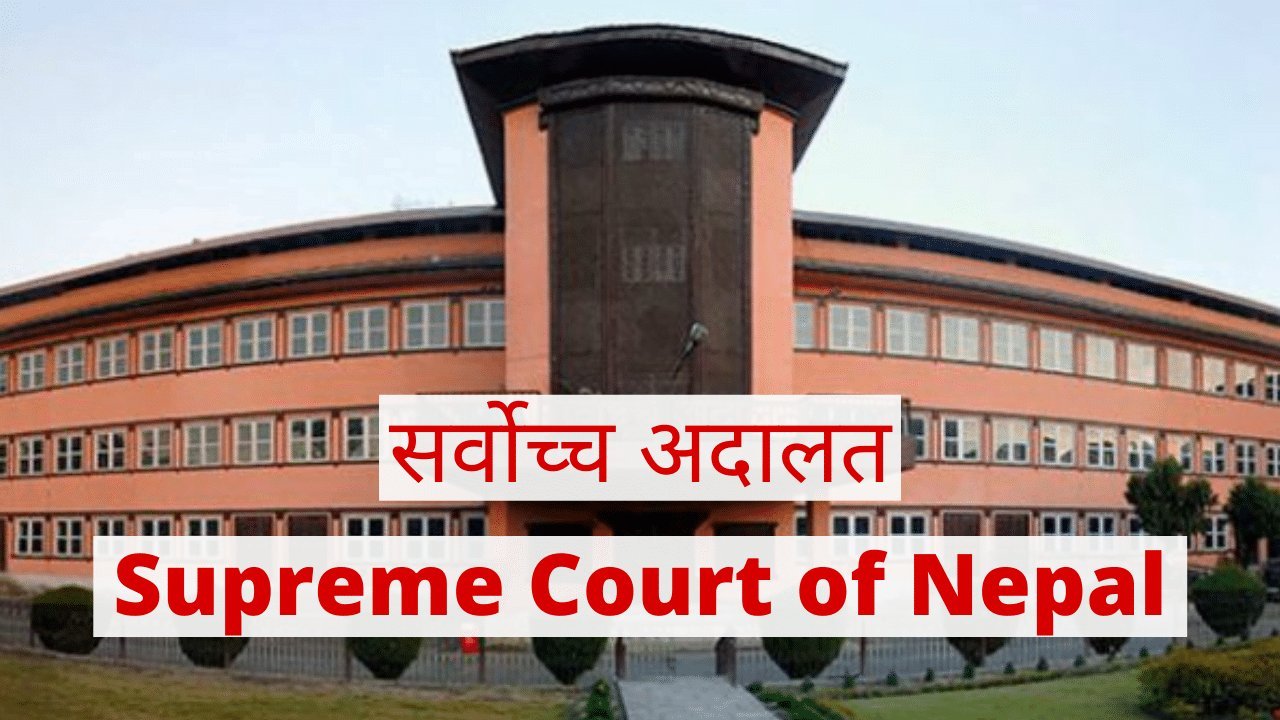
A bench of Justice Til Prasad Shrestha and Justice Shrikant Paudel gave the order after senior Supreme Court advocate Yagyamani Nyaupane presented arguments seeking priority for the case. The writ petition argues that the Oli government should be declared invalid for not seeking a mandatory vote of confidence under constitutional provisions. The court has also directed the Secretariat of Parliament to submit all documents related to the Oli government.
Earlier, the court had ordered the Election Commission to submit all documents regarding the actual status of political parties supporting the government. Advocate Virendra KC, who filed the petition on 21 August, claimed that after parties like JSP Nepal and Nagarik Unmukti Party withdrew support, the Prime Minister failed to prove a vote of confidence within the constitutionally required 30 days, ending the government’s validity.
According to advocate KC, while hearing the case, the Supreme Court raised several important constitutional questions. The court asked the Attorney General whether a government’s legal status is affected if it does not seek a vote of confidence after support is withdrawn. It also inquired if the vote of confidence is mandatory only after withdrawal by coalition partners, or also when external supporters withdraw their backing.
The court further questioned if a party can withdraw support from a government and then later renew its support. In this case, the Nagarik Unmukti Party gave a letter of renewed support to the Speaker 45 days after initially withdrawing, though the move is disputed within the party.
The court stated that the hearing will take place before a full bench, and only a final decision will be issued—no interim order will be given. The judges explained that issuing an interim order could create legal and constitutional challenges for the government, hence the need for a final verdict by the full court.

Bhupendra Singh Chundawat is a seasoned technology journalist with over 22 years of experience in the media industry. He specializes in covering the global technology landscape, with a deep focus on manufacturing trends and the geopolitical impact on tech companies. Currently serving as the Editor at Udaipur Kiran, his insights are shaped by decades of hands-on reporting and editorial leadership in the fast-evolving world of technology.