

The world is shifting from petrol and diesel vehicles towards electric vehicles. Many people prefer electric vehicles, especially in the two-wheeler segment. This helps save a lot of fuel and contributes to environmental preservation.
If you are planning to buy a new electric vehicle, especially a two-wheeler, we have shortlisted some important points you should know.
How is the Market for Electric Two-Wheelers in India?
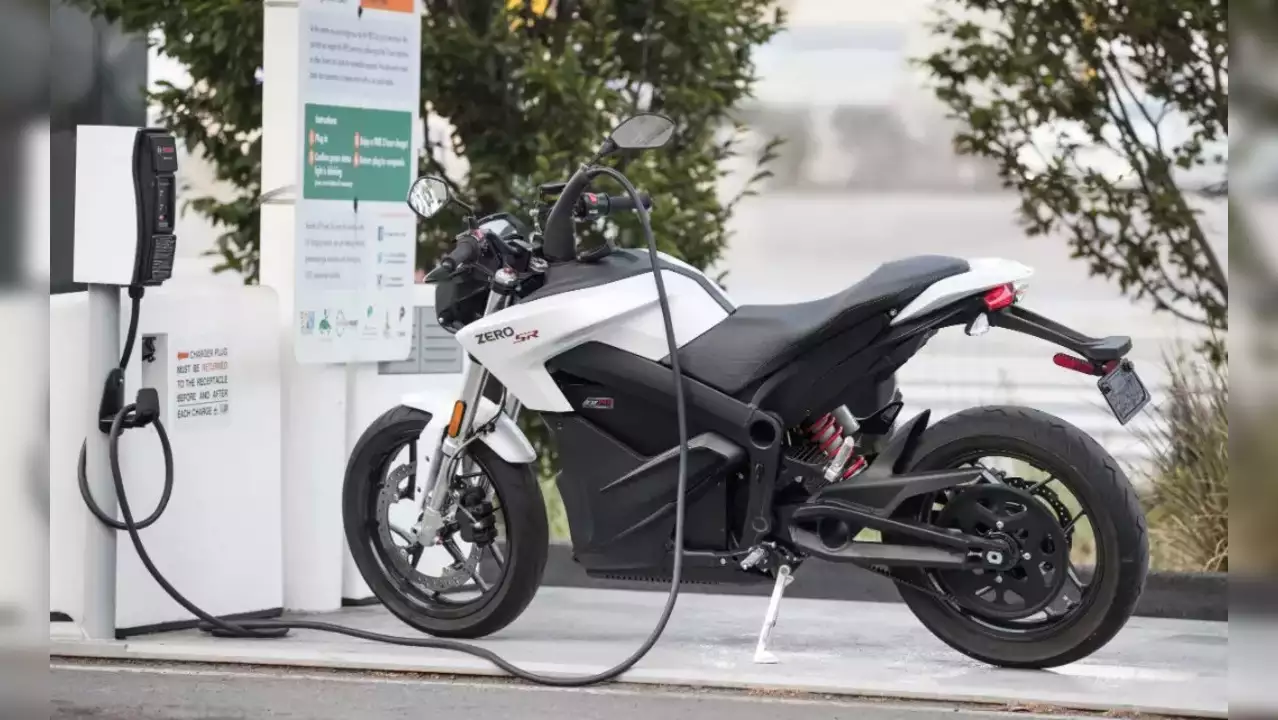

According to the Economic Times report, India’s electric two-wheeler market saw a significant rise, and two-wheelers constituted approximately 55% of the total electric vehicle sales.
In the financial year 2024, electric vehicle sales crossed 1.7 million units. The leading companies in this category include Ola Electric, TVS Motor, and Ather, which collectively held 65% of the total market share. Here’s what the year-wise sales look like:
| Financial Year | Electric Vehicle Sales |
| 2024 | 17,00,000 (approx.) |
| 2023 | 15,29,947 |
| 2022 | 10,25,063 |
Top Electric Two-Wheeler Manufacturers
To help you with the selection, here are the top electric two-wheeler manufacturers in India:
1) Ola Electric
It is one of the largest EV manufacturers in India. It has also set up one of the world’s largest 2-wheeler manufacturing factories in Tamil Nadu. It has launched a series of two-wheelers at different price ranges.
2) Okinawa
Okinawa is a Gurgaon-based electric 2-wheeler manufacturer in India. It is another big 2-wheeler manufacturer after Ola, and variants are available based on the vehicle’s speed.
3) TVS Motors
TVS is one of the oldest players in the 2-wheeler segment and a notable player in the electric two-wheeler segment. It is one of the best electric vehicle companies, bringing in years of experience and expertise.
4) Ather Energy
Ather Energy is an Indian start-up that manufactures electric two-wheelers. Its impressive specifications and features make it a compelling choice for potential buyers.
Top Electric Two-Wheeler Models in the Market
Going by the model, here are some of the best electric two-wheelers in the market:
| Sr. No. | Electric Vehicle Name | Description | Range |
| 1 | MX Moto M16 | The MX Moto M16 is an electric bike available in 1 variant. It has a battery capacity of 3.96 kWh and is available in 1 colour variant. | 220 km/charge |
| 2 | Revolt RV 400 | The Revolt RV400 is an electric bike available in 3 variants. Its battery capacity is 3.24 KWh, and it weighs around 115kg. | 150 km/charge |
| 3 | Revolt RV400 BRZ | Revolt RV400 BRZ is a single-variant electric bike with a battery capacity of 3.24 kWh. It weighs around 115 kg and is available in five colour variants. | 150 km/charge |
| 4 | Ola S1 Pro Gen 2 | It is one of the top electric two-wheelers with a lighter battery pack, efficient electricals and a faster power train. It can achieve a top speed of 120 kmph. | 195 km/charge |
| 5 | Ather Rizta | Ather Rizta is an electric scooter available in 3 variants. It comes with a battery capacity of 3.7 kWh and weighs around 119 kg. | 160 km/charge |
| 6 | TVS X | TVS X is a high-end electric scooter with a battery capacity of 4.44 kWh. It has a top speed of 105 km/hr and is available in a single-colour variant. | 140 km/charge |
| 7 | Hero Electric Optima | The Hero Electric Optima is an electric scooter with a battery capacity of 3 kWh and 2 colour variants. | 135 km/charge |
| 8 | Bajaj Chetak | Bajaj has launched its popular model, Chetak, in an electric version this time. It is an electric scooter available in 4 variants. It has a battery capacity of 3.2 kWh and weighs 134 kg. | 127 km/charge |
| 9 | Ather 450X Gen 3 | It is available in 2.9 kWh and 3.7 kWh motor variants. The former can run 111 km/charge, while the latter can run 150 km/charge. | 111 km/charge |
| 10 | TVS iQube S | It is another popular two-wheeler with a range of 100 km/charge in economy mode and 70 km/charge in sport mode. It has a 32-litre boot storage that can easily fit two helmets. | 70 km/charge |
Things to Check When Buying a New Electric Two-Wheeler
When you are buying a new electric two-wheeler, you should check the following points:
1) Cost
You need to consider the price and features of the electric two-wheeler. Also, look for subsidy options to reduce your overall cost. If you opt for a two-wheeler loan, you should ensure that the EMI fits well within your budget.
2) Battery Warranty
The battery is one of an electric two-wheeler’s most important and costliest components. To get a clear idea, check the terms of the battery warranty. You should also check the situations when this warranty can become invalid. The validity of the battery warranty depends on two factors: the number of years and the number of kilometres.
3) Charging Time and Range
It is crucial to know the time required for a full battery charge and how many kilometres the bike can run per charge. You need to assess your usage to decide on this factor. The longer the range and shorter the charging time, the better the vehicle.
4) Top Speed
Check the top speed and the speed in different modes. You must also check the range at which your vehicle can travel at each speed. The top speed and acceleration become important, especially when you carry luggage in a two-wheeler. Some vehicles come with different modes, each supporting different speeds.
5) Loan Options
To be easy on your pocket, you can pay a certain amount of down payment and finance the remaining part with a loan. Don’t forget to compare different loan options. You should select the one that offers the lowest interest rate and other costs.
6) Company Reputation
You should check the company’s reputation and its history with the vehicles. This will create a sense of trust and ensure you get the best product. Choosing the wrong vehicle will only lead to future hassles in repairs and warranties.
Where to Buy Two-Wheeler Insurance – Offline or Online?
Having two-wheeler insurance is mandatory as per the law. You can either buy the two-wheeler insurance offline or online. In the case of new two-wheelers, most dealers provide you with the option to buy two-wheeler insurance. You can also directly approach an insurance service provider and purchase an insurance policy.
However, you can also purchase vehicle insurance online for more convenience and to reap maximum benefits. Various insurance service providers enable users to purchase insurance policies online. Buying insurance allows you to compare different policies and select the best one as per your needs.
Benefits of Buying an Electric Two-Wheeler
The following are the key benefits that make electric two-wheelers a popular choice amongst Indians:
- Fuel Saving: Electric two-wheelers save the owner a lot of fuel cost. The electricity cost of charging a two-wheeler is minuscule compared to petrol refuelling.
- Environmentally friendly: Electric two-wheelers do not contribute as much to pollution as combustion vehicles and are an environmentally friendly alternative.
- Subsidy: You can also claim a central or state government subsidy for purchasing electric two-wheelers.
- Tax Exemption: You can claim a deduction of interest paid on electric two-wheeler loans under Section 80EEB of the Income Tax Act, 1961. The deduction available is up to Rs. 1.50 lakhs for each financial year.
- No PUC Needed: You don’t need a Pollution Under Control certificate for electric two-wheelers. This relieves you from the hassle of renewing your PUC every few months, as in the case of combustion vehicles, and potential penal challans in case you forget to renew the same.
Is the Government Supporting the Electric Two-Wheeler Market?
The government actively supports the electric two-wheeler market by providing subsidies and promoting through their agendas. Union Minister Nitin Gadkari has predicted one crore electric vehicle sales annually by 2030.
Further, the government aims to eliminate combustion vehicles from the Indian roads in the future. This can be a great leap towards a better future, especially in environmental terms.

Bhupendra Singh Chundawat is a seasoned technology journalist with over 22 years of experience in the media industry. He specializes in covering the global technology landscape, with a deep focus on manufacturing trends and the geopolitical impact on tech companies. Currently serving as the Editor at Udaipur Kiran, his insights are shaped by decades of hands-on reporting and editorial leadership in the fast-evolving world of technology.