

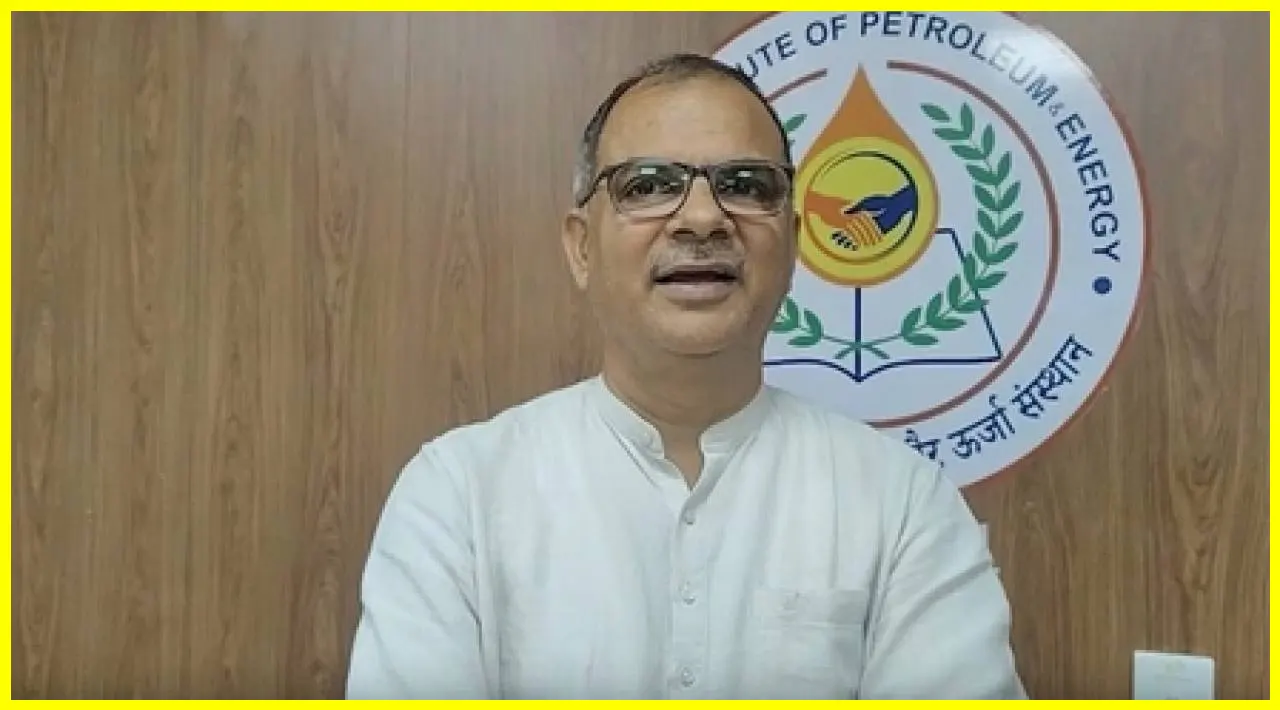

Visakhapatnam, July 29: Shalivahan Shrivastava, Director of the Indian Institute of Petroleum and Energy (IIPE) in Visakhapatnam, highlighted the significance of blending ethanol (E20) in petrol, stating that each litre of ethanol replaces a litre of imported fossil fuel. This initiative not only reduces India’s dependence on crude oil imports but also strengthens the economy by promoting the use of domestically produced renewable fuels.
In an exclusive interview, Shrivastava noted that the ethanol blend opens new economic opportunities for farmers, creates jobs in rural areas, and supports environmental conservation. Each litre of ethanol retains more value within the Indian economy and enhances the country’s energy security.
He clarified that the E20 fuel has not been implemented without adequate testing. Before its rollout, extensive technical evaluations were conducted by the NITI Aayog, the Automotive Research Association of India (ARAI), the Society of Indian Automobile Manufacturers (SIAM), and other relevant agencies. This thorough investigation examined critical aspects such as engine durability, corrosion potential, material compatibility, vehicle drivability, emissions, fuel efficiency, and overall performance.
Shrivastava also emphasized that E20 is not a new fuel; it has been successfully used in many countries for years, particularly in Brazil, where higher ethanol blends have been in use for decades. India initiated its ethanol blending program in 2001 as a pilot project, followed by the implementation of E5 in 2006. However, the blending level remained around 1.5% until 2013-14. With the development of production capacity, necessary infrastructure, and regulatory frameworks, the government has gradually and systematically increased the ethanol blending percentage, taking into account experiences gained in real-world conditions.
He mentioned that approximately 80% of the 80 million vehicles visiting petrol pumps daily run on petrol. E15 or higher ethanol blends have been widely used for the past three and a half years, while E19 and E20 fuels have also been in extensive use for the last two and a half years. This experience has proven that using ethanol-blended fuel is practical and safe.
The director further stated that the ethanol blending program is a crucial part of India’s energy self-sufficiency campaign. It yields several positive outcomes, including foreign exchange savings, increased farmer income, strengthened rural economies, and a cleaner environment. In the coming years, ethanol-based fuels will play a significant role in achieving India’s sustainable development and energy security goals.

My name is Kuldeep Singh Chundawat. I am an experienced content writer with several years of expertise in the field. Currently, I contribute to Daily Kiran, creating engaging and informative content across a variety of categories including technology, health, travel, education, and automobiles. My goal is to deliver accurate, insightful, and captivating information through my words to help readers stay informed and empowered.