


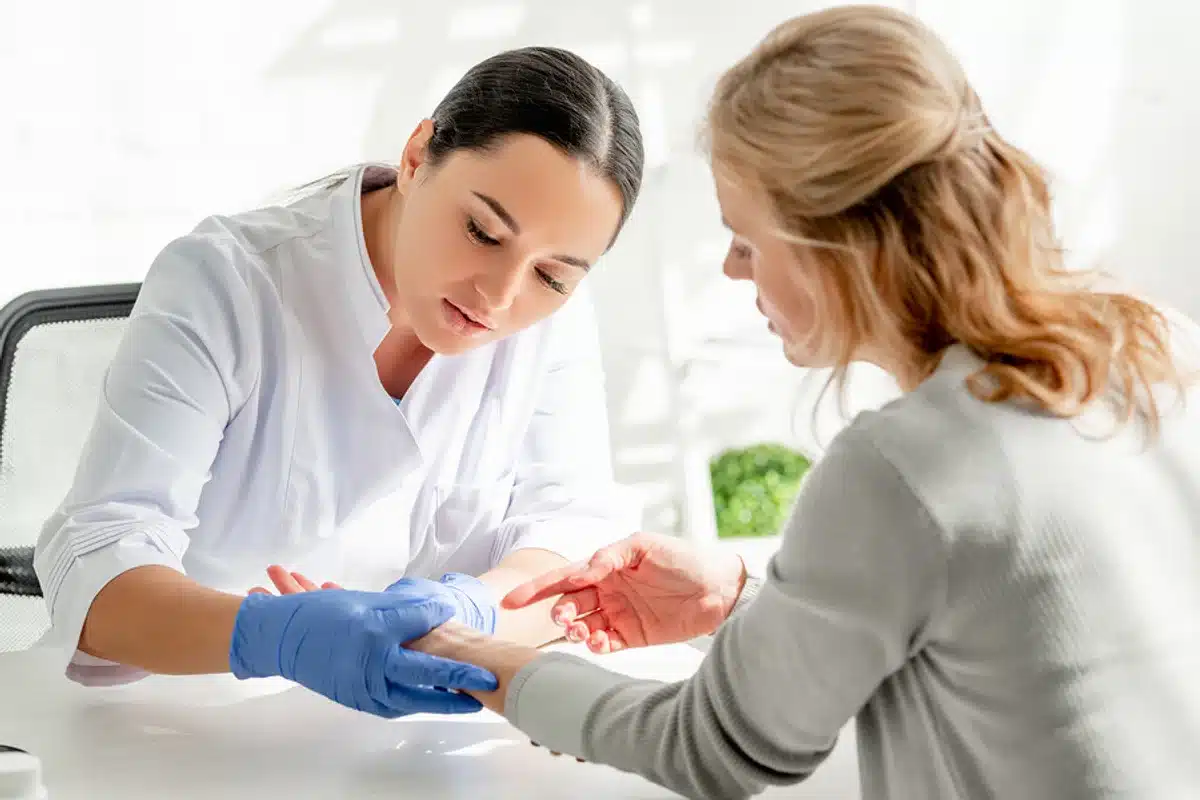

Dermatologists treat conditions like acne, eczema, psoriasis, skin infections, and hair loss. They also manage skin conditions like cancer and moles, providing medical and surgical treatments. Additionally, they handle cosmetic issues to enhance the quality of their patients’ skin, hair, and nails.
Skin is the biggest organ of the body and has several important functions, including shielding you from heat, cold, and other dangerous substances. It also serves as a shield against germs and is vital in controlling the body temperature. In addition to these functions, the skin is an indicator of your general health; alterations in its colour, texture, or appearance may be indicative of a disease. It is crucial to pay attention to the skin and its health to preserve its function and appearance. This blog will explain what dermatologists do, the conditions they treat, and when to consult one.
Who is a Dermatologist?
A dermatologist is a medical practitioner who specialises in diagnosing, managing, and preventing skin, hair, and nail disorders. They can treat various skin disorders, from minor ones like acne and eczema to major diseases like skin cancer. They also address cosmetic issues such as scars, hair loss, and ageing, thus ensuring that patients have better skin health and appearance.
Common Conditions Treated by Dermatologists
Dermatologists treat a wide array of conditions, including:
- Acne
- Eczema
- Hair Loss
- Nail Fungus
- Psoriasis
- Skin Cancer
- Rosacea
What Do Dermatologists Do?
The following are some of the tasks that dermatologists undertake to maintain the skin, hair, and nails of their patients. They are trained on how to identify and manage more than 3,000 different diseases and conditions. Here are some key roles they play:
- Diagnosis and Treatment: There are several methods that dermatologists employ in diagnosing skin diseases. These may involve applying creams, ointments, tablets, or even operating to remove or treat skin abnormalities.
- Preventive Care: Dermatologists recommend ways to avoid skin diseases. They also provide advice on how to maintain good skin health, protect it from the sun, and follow other practices that can help.
- Cosmetic Procedures: Cosmetic surgery is a medical speciality in which dermatologists treat the skin. They also deal with aesthetic problems such as scars, wrinkles, and skin discolouration.
- Surgical Procedures: Dermatologists are capable of performing several surgical procedures. These can include simple procedures like mole removal and skin biopsies to major surgeries like Mohs surgery for skin cancer.
One of the best dermatologists in Kolkata, Dr Surajit Gorai, is highly regarded for his expertise in diagnosing and treating a wide range of dermatological conditions with precision and compassion.
What Kind of Tests Does a Dermatologist Do?
To accurately diagnose and treat skin conditions, dermatologists may order and perform several tests. The tests related to dermatology include:
- Skin Biopsy: The process of taking a small portion of skin for analysis under a microscope to determine skin diseases.
- Patch Testing: Determines the substances that cause skin allergy and reactions.
- Dermoscopy: A device that enables the dermatologist to examine skin lesions with the help of a dermatoscope to diagnose skin cancers.
- Wood’s Lamp Examination: It uses ultraviolet light to identify bacterial and fungal infections on the skin.
Types of Procedures Performed by Dermatologists
Dermatologists are skilled in performing a variety of procedures to treat skin conditions. Common procedures include:
- Electrosurgery: Applying high-frequency electric currents to cut or destroy tissue.
- Cryosurgery: Applying cold temperature to freeze and eliminate abnormal cells.
- Laser Surgery: Using light beams that are focused on the skin to treat a number of skin conditions, including scars, wrinkles and unwanted hair.
- Excision Surgery: Surgical removal of the abnormal tissue using a scalpel and then stitching the wound.
- Mohs Surgery: A method of removing skin cancer layer by layer while preserving the healthy tissue.
- Mole Removal: For cosmetic purposes or to check for cancer.
- Vein Treatment: Using procedures such as sclerotherapy or laser therapy on affected veins.
When Should I See a Dermatologist?
Here are some instances when you should consider consulting the best dermatologists in Kolkata:
- A patch of skin or a mole has developed a new symptom or has become bigger or different in colour or shape.
- Suspected skin cancer
- Severe or persistent acne
- Rashes or hives
- Skin marks, scars, rashes, psoriasis, or rosacea
- Dark spots or hyperpigmentation
- Skin inflammation, recurrent infections, or skin warts
- Hair loss or nail disorders
- Skin ageing features like wrinkles and fine lines
- Varicose and spider veins
Dermatologists are responsible for the proper functioning and appearance of the skin, hair, and nails. They can identify and manage various diseases, including skin and other systemic diseases. Dermatologists are well-trained and skilled in offering a holistic approach to treating skin diseases by understanding the needs of their patients. When it comes to dermatological issues, it is always advisable to seek the services of a dermatologist to get the right treatment and advice.
For expert skin care and treatment, book an appointment from Apollo with Dr Surajit Gorai, one of the best dermatologists in Kolkata.

Bhupendra Singh Chundawat is a seasoned technology journalist with over 22 years of experience in the media industry. He specializes in covering the global technology landscape, with a deep focus on manufacturing trends and the geopolitical impact on tech companies. Currently serving as the Editor at Udaipur Kiran, his insights are shaped by decades of hands-on reporting and editorial leadership in the fast-evolving world of technology.