
Samsung Galaxy S24 Series Gets Always-on Lock Screen Wallpaper Similar to iPhone 15 Pro Models: Report


According to SamMobile, this feature builds on the previously available Always-On Display (AOD), which was available in several smartphones from different brands. Android’s default AOD feature essentially displays the time, date, and weather along with a few icons in the notification bar to keep users updated on what’s going on on their device. This data is displayed at a glance on a black background (to save power), and users can always keep it on, set a schedule, or tap to view it. You can choose.
Samsung is essentially adding another layer by making the lock screen wallpaper transparent and using a new LTPO panel that is said to be more power efficient. LTPO panels can refresh at 1Hz with minimal power consumption. Samsung also allows users to clear the lock screen wallpaper to display only the theme. In theory, it should use less power than if the entire screen was on (even in dimming mode).
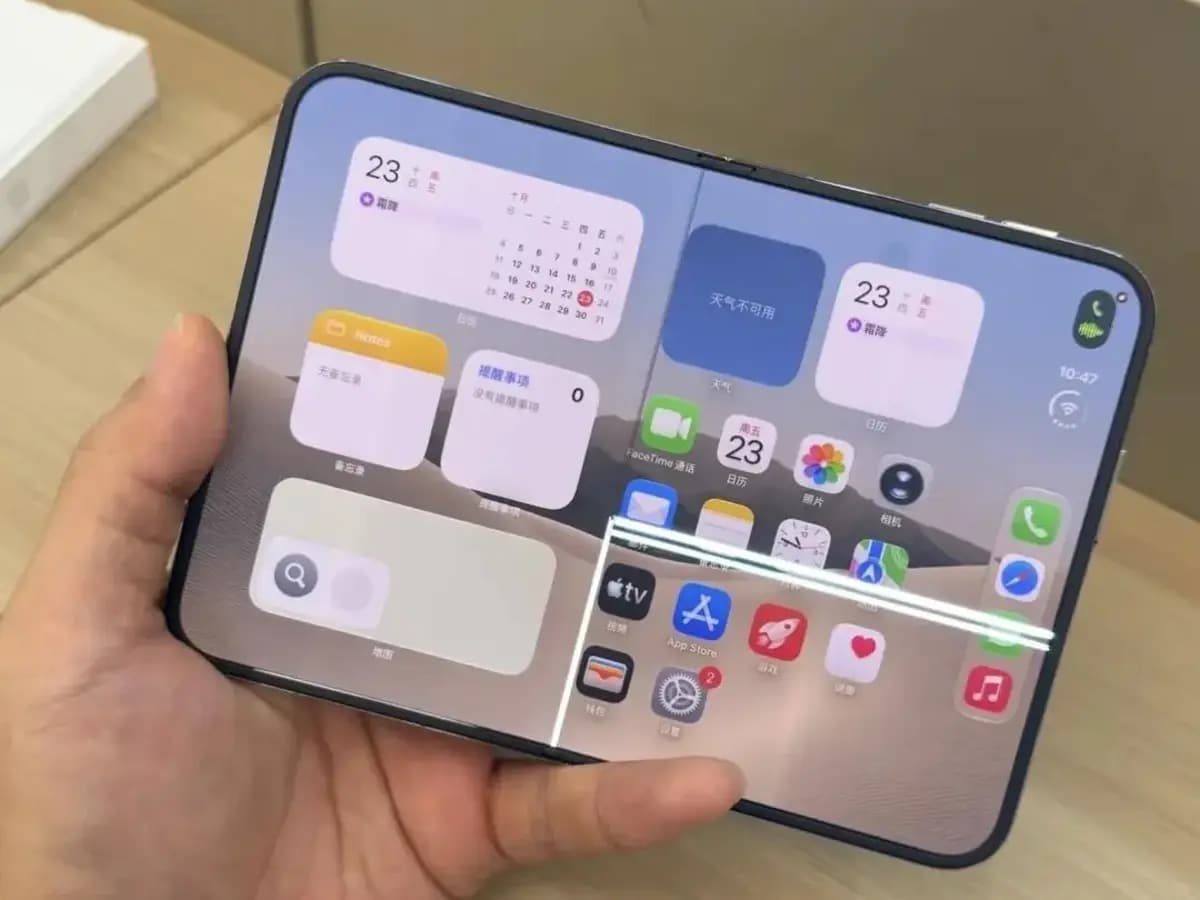
While this feature is functionally similar to Apple’s always-on lock screen feature, it’s actually quite different. This is because Samsung only displays a series of notification icons along with the time, date and weather, while Apple’s implementation actually displays a very dismal version. In this mode, the lock screen itself is displayed and you can also check details such as notifications.
The source also confirmed that this new feature (although part of One UI 6.1) will not be available on the older Galaxy S23 series. This is said to be a new, more energy-efficient AMOLED panel that is said to be better than older models. Therefore, it will currently only be available on the Galaxy S24 Ultra, Galaxy S24 Plus and Galaxy S24 and will be enabled by default on these models.
In 2022, Apple introduced the Always-on-Screen Lock Wallpaper feature for iPhone 14 Pro models. This feature was not initially welcomed as it appeared to consume a significant amount of power when activated. That’s why Apple developed a solution that allows users to hide the wallpaper and only show the time, date and lock screen notifications. Things seem to be improving as we tested the iPhone 15 Pro Max and saw little impact on battery life. It remains to be seen how successful Samsung’s similar implementation will be.

Bhupendra Singh Chundawat is a seasoned technology journalist with over 22 years of experience in the media industry. He specializes in covering the global technology landscape, with a deep focus on manufacturing trends and the geopolitical impact on tech companies. Currently serving as the Editor at Udaipur Kiran, his insights are shaped by decades of hands-on reporting and editorial leadership in the fast-evolving world of technology.