

The Motorola Razr 50 is under development and is expected to be officially launched alongside the Motorola Razr 40 in June. The mid-range Snapdragon 7 Gen 1 chipset was launched last year, but now Motorola is rumored to be turning to Mediatek for the chipset. . The phone has appeared on the Geekbench test site and provides detailed information about its chipset. This listing shows the Motorola Razr 50 with Android 14 and 8GB of RAM.
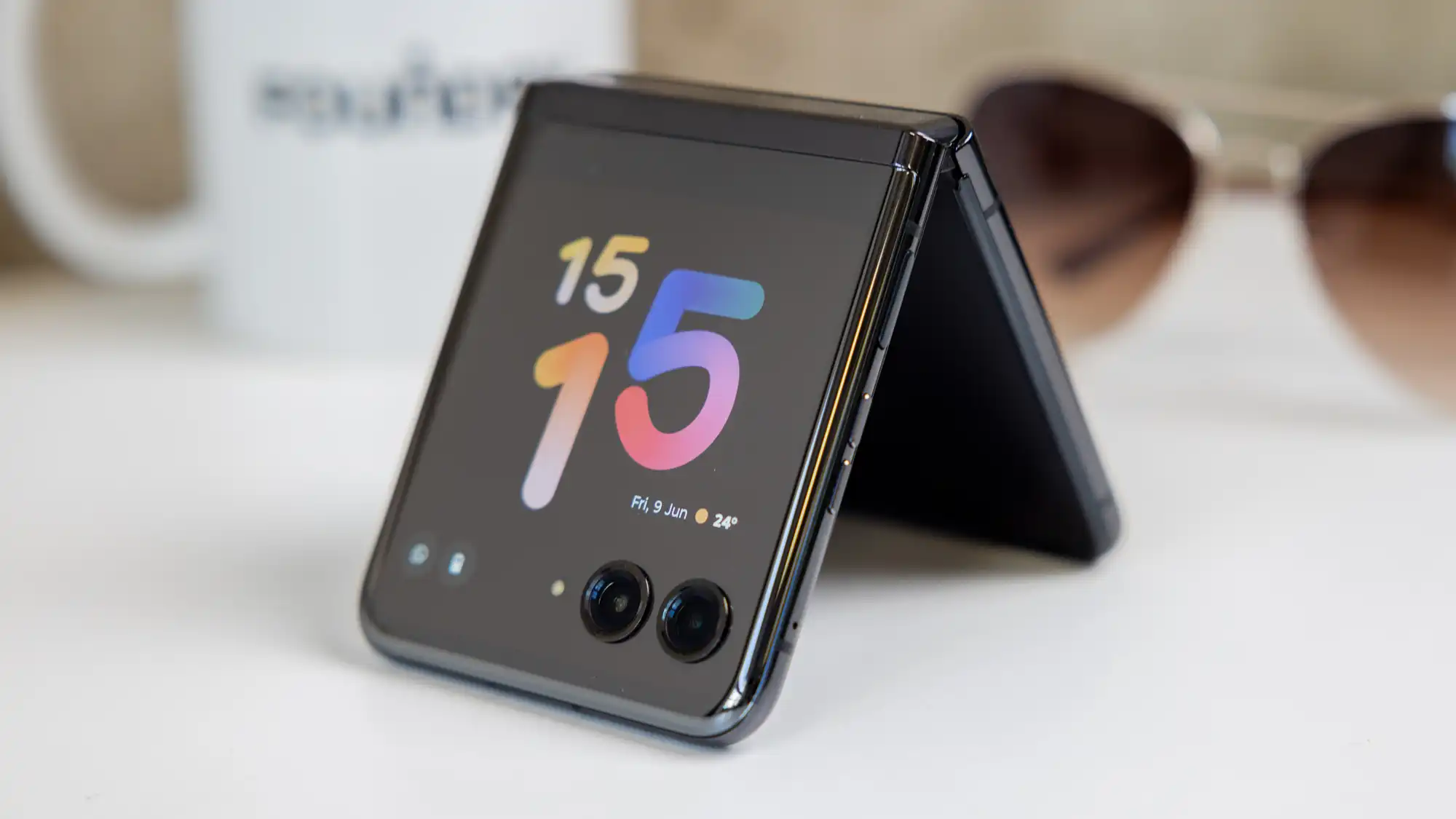

On Tuesday (May 28), the Motorola Razr 50 appeared on Geekbench, hinting at its presence and its moniker. The list shows 2751 points in the multi-core test and 1033 points in the single-core test. According to the listing, the phone can have 7.21 GB of RAM, which is 8 GB on paper. It appears to be running on Android 14.
According to the listing, the phone is also powered by an octa-core chipset codenamed “aito” with a base frequency of 2.00 GHz. It has four premium processor cores with a maximum clock speed of 2.50 GHz and four cores with a clock speed of 2.00 GHz. These processor speeds and codenames are associated with the MediaTek Dimensity 7300X SoC.
The Motorola Razr 50 will be available in the US for $699 (roughly Rs. 58,000). This could become official in June with the Motorola Razr 50 Ultra. It is expected to be released in the US and Canada as the Motorola Razr in 2024.
According to the purported TENAA listing, the Motorola Razr 50 will feature a 3.6-inch OLED display and a 6.9-inch Full HD+ (1080 x 2640 pixels) OLED display with a 120Hz refresh rate. It will reportedly have a dual-camera setup that includes a 50-megapixel primary camera and a 13-megapixel secondary camera. It will likely have a 32-megapixel in-display selfie sensor and a 3,950mAh battery.

Bhupendra Singh Chundawat is a seasoned technology journalist with over 22 years of experience in the media industry. He specializes in covering the global technology landscape, with a deep focus on manufacturing trends and the geopolitical impact on tech companies. Currently serving as the Editor at Udaipur Kiran, his insights are shaped by decades of hands-on reporting and editorial leadership in the fast-evolving world of technology.