


Tehran, April 7: Iran has rejected the United States’ 15-point peace proposal, stating its desire for a permanent end to the conflict. According to the government news agency IRNA, Iran has presented a 10-point document in response.
Citing past experiences, Iran emphasized that it will not accept merely a ceasefire. The response includes several demands, such as ending regional conflicts, ensuring safe passage through the Strait of Hormuz, reconstructing war-affected areas, and lifting international sanctions.
IRNA reported that this proposal comes at a time when conditions in western and central Iran have changed, and a US helicopter operation has not been successful. Additionally, US President Donald Trump has extended a previously set deadline and made some adjustments to his stance.
In a press conference on Monday, Trump referred to Iran’s 10-point response as “a significant step,” but stated that it was “not sufficient.”
On the same day, Iran’s Foreign Ministry spokesperson Ismail Baghaei remarked that a ceasefire would only provide opponents with time to regroup and commit more offenses, asserting that “no sensible person” would accept it.
At the end of March, US media reported that the US had sent a 15-point proposal to Iran via Pakistan to end the war. Iran later dismissed it, claiming it was “exaggerated and disconnected from ground realities.”
Iran has also set conditions for peace, which include stopping attacks from the US and Israel, establishing concrete arrangements to prevent future assaults, compensating for war damages, halting fighting on all fronts in West Asia, and recognizing Iran’s sovereignty over the Strait of Hormuz.
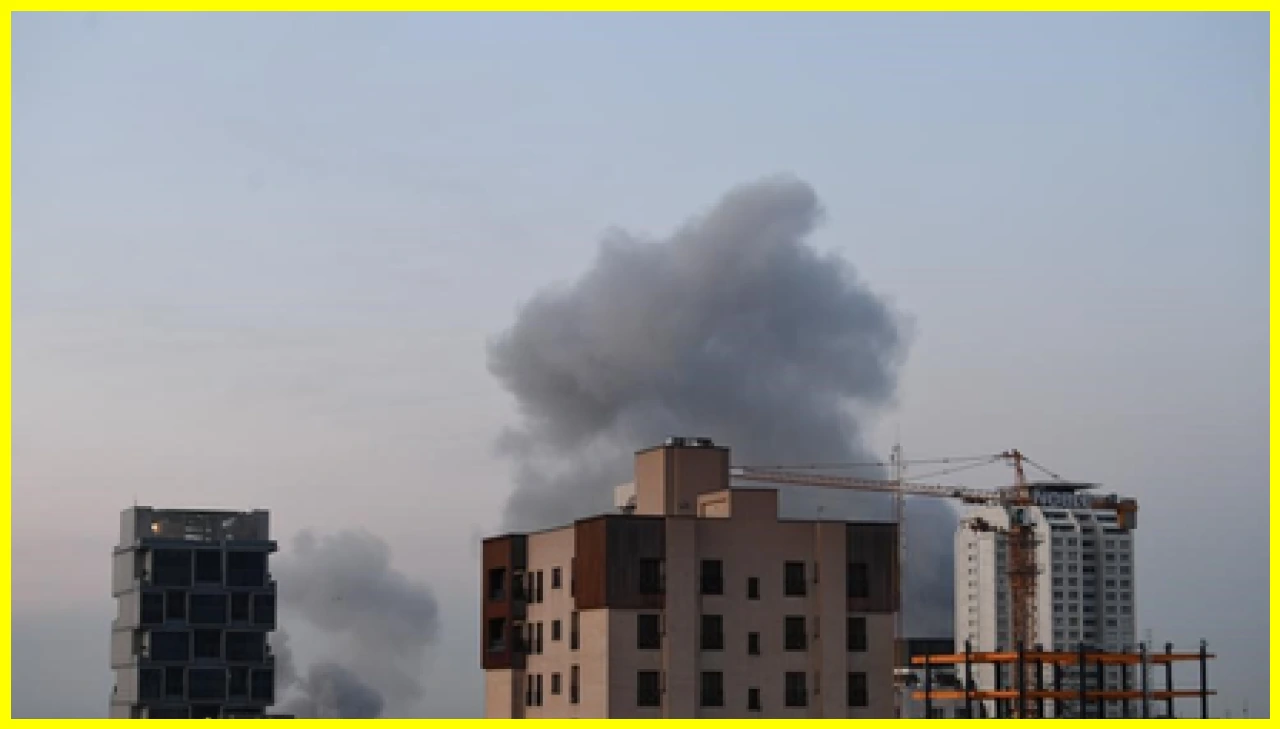
On February 28, Israel and the US jointly attacked Tehran and other Iranian cities, resulting in the deaths of Supreme Leader Ali Khamenei, several senior military officials, and civilians. In retaliation, Iran launched missile and drone strikes on locations linked to Israel and the US in the Middle East.

Bhupendra Singh Chundawat is a seasoned technology journalist with over 22 years of experience in the media industry. He specializes in covering the global technology landscape, with a deep focus on manufacturing trends and the geopolitical impact on tech companies. Currently serving as the Editor at Udaipur Kiran, his insights are shaped by decades of hands-on reporting and editorial leadership in the fast-evolving world of technology.