


WASHINGTON, April 1, 2025 — In a sweeping move that could reshape the future of U.S. semiconductor policy, President Donald Trump on Monday signed an executive order establishing the “United States Investment Accelerator”, a new entity that will assume control of the Chips and Science Act — a landmark industrial policy measure originally signed into law by former President Joe Biden in August 2022.
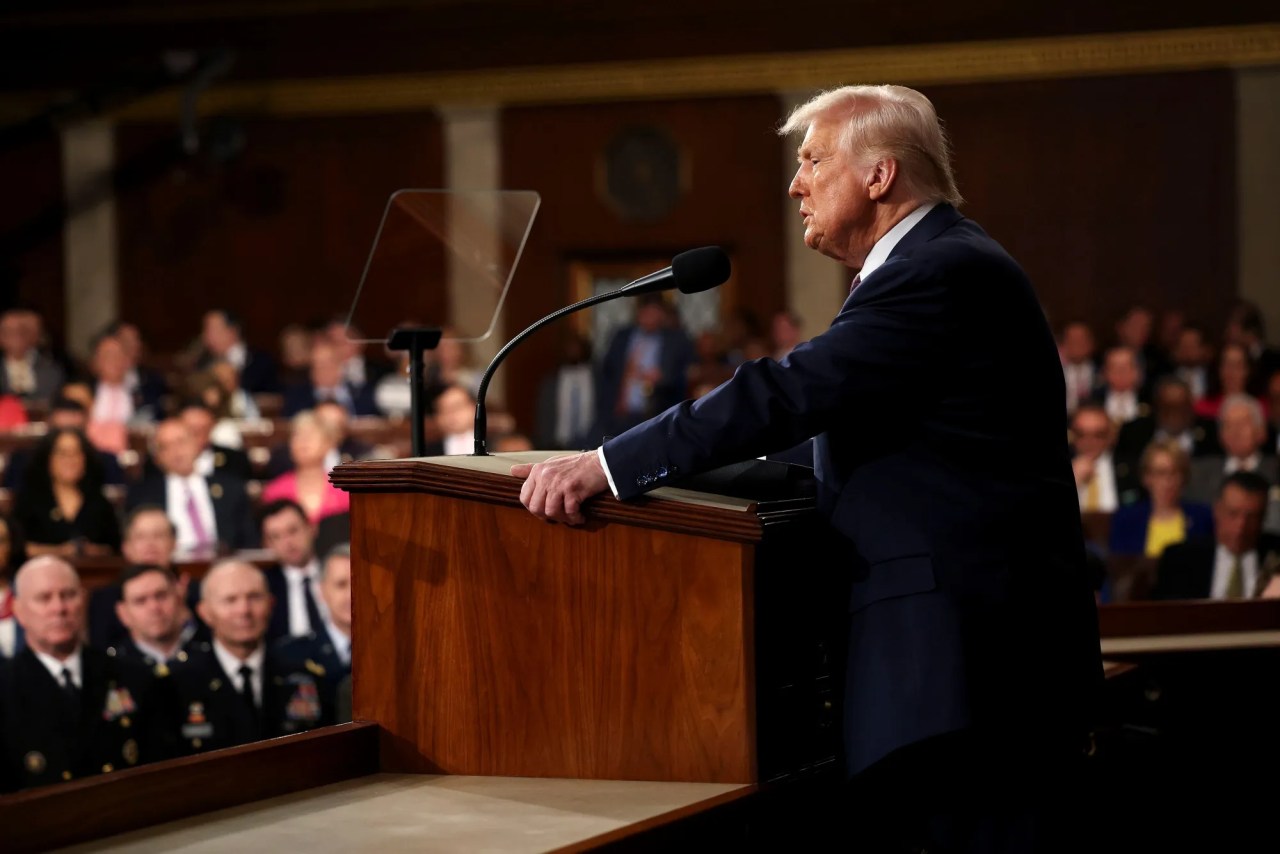

The Chips Act, which allocated $52.7 billion in subsidies to bolster domestic semiconductor production, is now being repurposed under Trump’s administration to emphasize private-sector investment, deregulation, and what the White House calls “more competitive deal-making.”
What Is the United States Investment Accelerator?
Housed within the Department of Commerce, the US Investment Accelerator will now oversee and implement the subsidy program. According to the White House fact sheet, the new entity aims to:
-
Renegotiate existing Chips Act deals
-
Reduce regulatory burdens
-
Speed up permitting and approvals
-
Coordinate with federal and state agencies
-
Expand access to national resources for chip manufacturers
“The previous administration handed out money with few conditions and little accountability,” the Trump White House said in a statement. “We will now negotiate much better CHIPS Act deals that benefit American workers and taxpayers.”
A Major Policy Turn on Semiconductor Strategy
Though the Chips and Science Act passed with bipartisan support, Trump has been a vocal critic. As recently as March, he called for scrapping the program entirely and redirecting funds to reduce the national debt.
This new pivot suggests that while the funding remains intact, its distribution and oversight will now be driven by Trump’s industrial policy agenda, which leans heavily on private-sector incentives, regulatory rollbacks, and “America First” economic nationalism.
What’s at Stake in the Global Semiconductor Race
The retooling of the CHIPS program comes at a critical moment for U.S. competitiveness in the global semiconductor industry, which remains dominated by manufacturers in Taiwan, South Korea, and increasingly, China.
By centralizing control within the Investment Accelerator, the administration hopes to accelerate U.S.-based chip production, shore up supply chain security, and prevent future disruptions in critical technologies — particularly in defense, AI, and consumer electronics.
However, critics worry that politicizing the program or undoing existing agreements could delay projects, confuse stakeholders, and strain relations with allied technology partners.
Free Press and the Bigger Picture
Trump’s restructuring of science and economic policy comes amid growing concerns over his administration’s broader approach to information transparency and media scrutiny. Journalists and global watchdogs warn that Trump’s actions, such as limiting access to press briefings, filing lawsuits against major news outlets, and selectively curating media access, reflect a broader trend of press suppression seen in other authoritarian-leaning governments.
Organizations such as The Guardian have committed to independent, nonpartisan reporting, arguing that a free press is vital to safeguarding democracy—especially during a time when public institutions are being reorganized with unprecedented speed.

Bhupendra Singh Chundawat is a seasoned technology journalist with over 22 years of experience in the media industry. He specializes in covering the global technology landscape, with a deep focus on manufacturing trends and the geopolitical impact on tech companies. Currently serving as the Editor at Udaipur Kiran, his insights are shaped by decades of hands-on reporting and editorial leadership in the fast-evolving world of technology.