

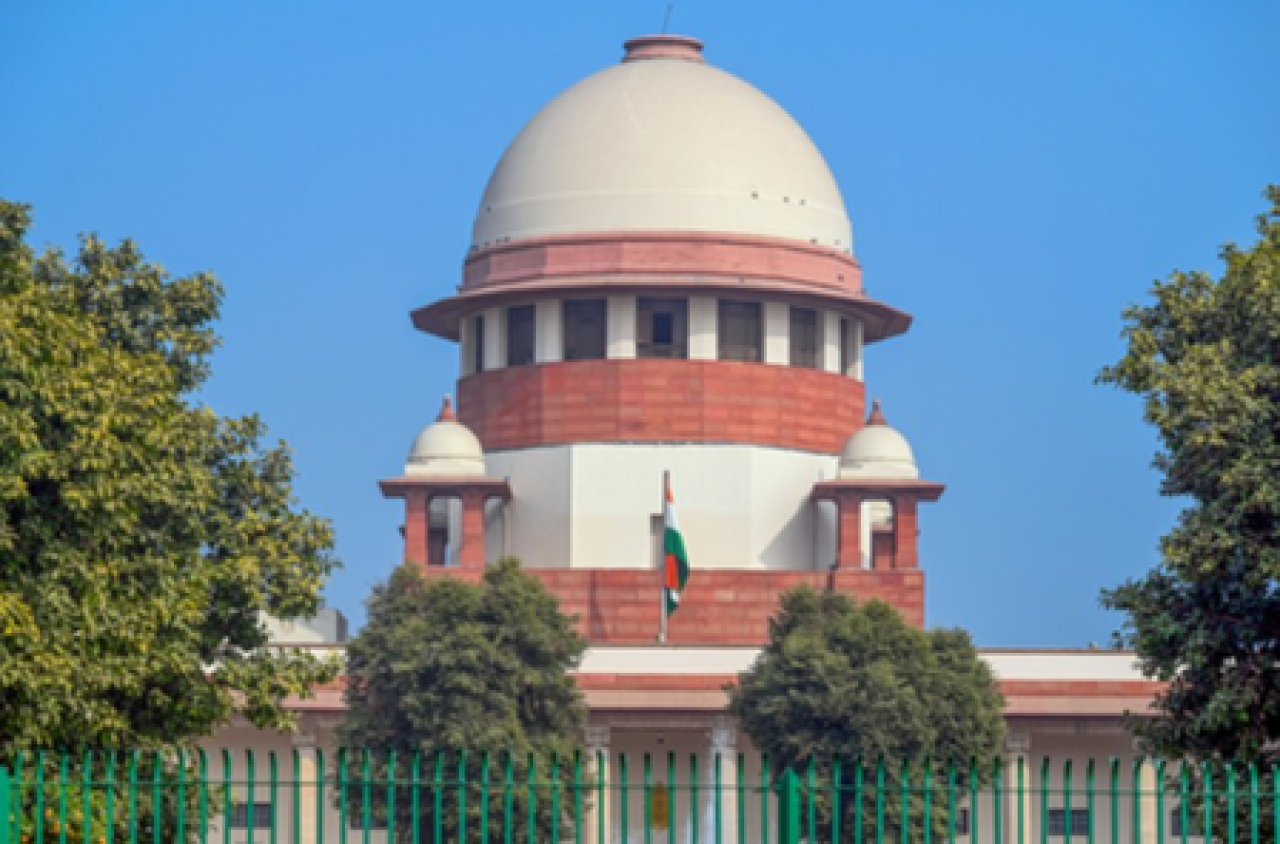

New Delhi, March 12: The Supreme Court has assured a prompt hearing on various petitions challenging the Data Protection Act 2025. During the proceedings, Chief Justice Suryakant emphasized the significance of the issue, stating that data protection has become a global concern, with serious apprehensions being raised worldwide.
He remarked that data is rapidly evolving into a new form of currency. The Chief Justice noted that the issue of data security is not confined to India alone but is a matter of global concern. He highlighted the need to address the fact that a substantial amount of data from the country is being transferred abroad.
Senior advocate Indira Jaising, representing the petitioners, pointed out that the new law lacks a clear definition of ‘personal and private data.’ She argued that under the previous Information Technology Act, 2000, individuals had the right to seek compensation for violations of their data privacy. However, the new law alters this provision, stating that compensation will be directed to the state or the Data Protection Board rather than the affected individual. She also raised concerns about the absence of judicial oversight for the board, which raises questions about accountability.
In response, Chief Justice Suryakant stated that any tribunal or board established must function as a quasi-judicial body and be subject to judicial review. Jaising further emphasized the need to consider several critical aspects, including the exemptions granted to the government, potential access to data by the government (which raises surveillance concerns), the impact on the Right to Information due to the lack of exemptions for journalists, and issues related to data sovereignty.
She urged the court to examine whether the country’s data is being transferred abroad and how it is being safeguarded. Additionally, she highlighted the necessity for judicial consideration regarding the role of the Data Protection Board and the compensation mechanism in cases of data privacy violations.
Recognizing the gravity of the matter, the Supreme Court stated that it is a significant constitutional and technical issue that will be prioritized for hearing.

Bhupendra Singh Chundawat is a seasoned technology journalist with over 22 years of experience in the media industry. He specializes in covering the global technology landscape, with a deep focus on manufacturing trends and the geopolitical impact on tech companies. Currently serving as the Editor at Udaipur Kiran, his insights are shaped by decades of hands-on reporting and editorial leadership in the fast-evolving world of technology.