

New Delhi, May 20 – In a landmark ruling aimed at ensuring judicial maturity and experience, the Supreme Court of India has reinstated the mandatory requirement of three years of legal practice for candidates aspiring to become judges in the lower judiciary. The decision was delivered by a bench led by Justice B.R. Gavai.
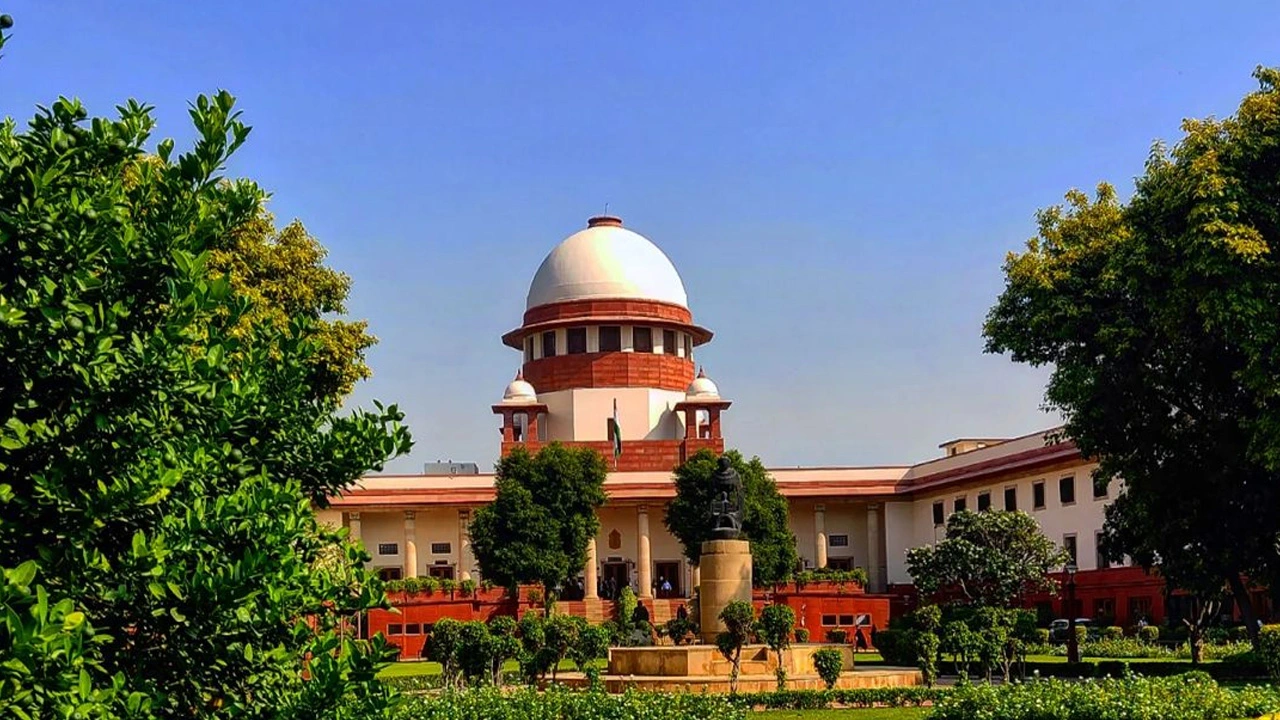

The top court clarified that the three-year experience will be calculated from the date of enrolment as an advocate. However, this rule will not apply to those High Courts that have already initiated their recruitment process prior to this ruling. For all future recruitments, the rule will be strictly enforced.
Background: Reversal of 2002 Policy
Originally, three years of practice as a lawyer was a mandatory prerequisite for judicial appointments. However, a 2002 Supreme Court judgment had removed this requirement, allowing fresh law graduates to apply for judicial posts. That decision opened the doors for new entrants into the judiciary directly after law school, but also sparked concerns over insufficient court experience.
The current judgment reverses that position, reinforcing the importance of practical court exposure before assuming judicial responsibilities.
Court’s Rationale and Bench Observation
The Supreme Court had reserved its verdict on this matter on January 28. During the hearings, amicus curiae Siddharth Bhatnagar raised questions about the suitability of appointing judges without any courtroom experience.
The majority of High Courts supported reinstating the three-year experience condition. Only the Sikkim and Chhattisgarh High Courts favored continuing with the existing system that allowed new law graduates to apply directly.
The bench emphasized that practical legal experience is essential for judicial officers to understand real-world litigation, courtroom dynamics, and the intricacies of legal procedures—skills that cannot be fully developed through academic study alone.
Implications for Judicial Recruitment
This decision will significantly impact how High Courts across India structure their judicial service examinations. It also aims to raise the standard and credibility of the subordinate judiciary, which serves as the backbone of the justice delivery system in India.
By reinstating the minimum experience requirement, the apex court hopes to ensure that only well-prepared and mature candidates step into the vital role of dispensing justice at the grassroots level.

Bhupendra Singh Chundawat is a seasoned technology journalist with over 22 years of experience in the media industry. He specializes in covering the global technology landscape, with a deep focus on manufacturing trends and the geopolitical impact on tech companies. Currently serving as the Editor at Udaipur Kiran, his insights are shaped by decades of hands-on reporting and editorial leadership in the fast-evolving world of technology.