

Simple Yoga Poses to Alleviate Neck and Back Pain from Long Hours on Laptop

New Delhi, May 1: In today’s digital age, office chairs and laptops have become integral to our daily routines. Sitting hunched over screens for hours can lead to the loss of the natural curvature of our spine, resulting in shoulder stiffness, neck pain, and heaviness in the lower back. However, incorporating daily yoga and a balanced diet can help address these issues before they escalate into major problems.
Among the various yoga poses, Kati Chakrasana stands out as one of the most effective. This simple yet powerful standing yoga practice involves twisting the waist like a wheel to the right and left. It can be repeated three times on each side.
Kati Chakrasana is derived from three words: ‘Kati,’ meaning ‘waist’; ‘Chakra,’ meaning ‘wheel’ or ‘to twist’; and ‘Asana,’ meaning ‘posture.’
According to the Ministry of AYUSH, Kati Chakrasana is a highly effective and simple yoga pose that is performed by twisting the waist. It is primarily known for improving spinal flexibility and strengthening the waist area.
Regular practice of this pose enhances the flexibility of the spine while effectively stretching the muscles of the waist, back, and hips. Additionally, it activates the abdominal muscles, strengthening the digestive system. The practice alleviates lower back pain, shoulder stiffness, and fatigue, reducing physical and mental stress and refreshing the mind.
Yoga experts suggest that Kati Chakrasana improves the flow of prana (life energy) in the body, boosts energy levels, and promotes a calm mind. This pose is particularly beneficial for individuals who work long hours at a desk.
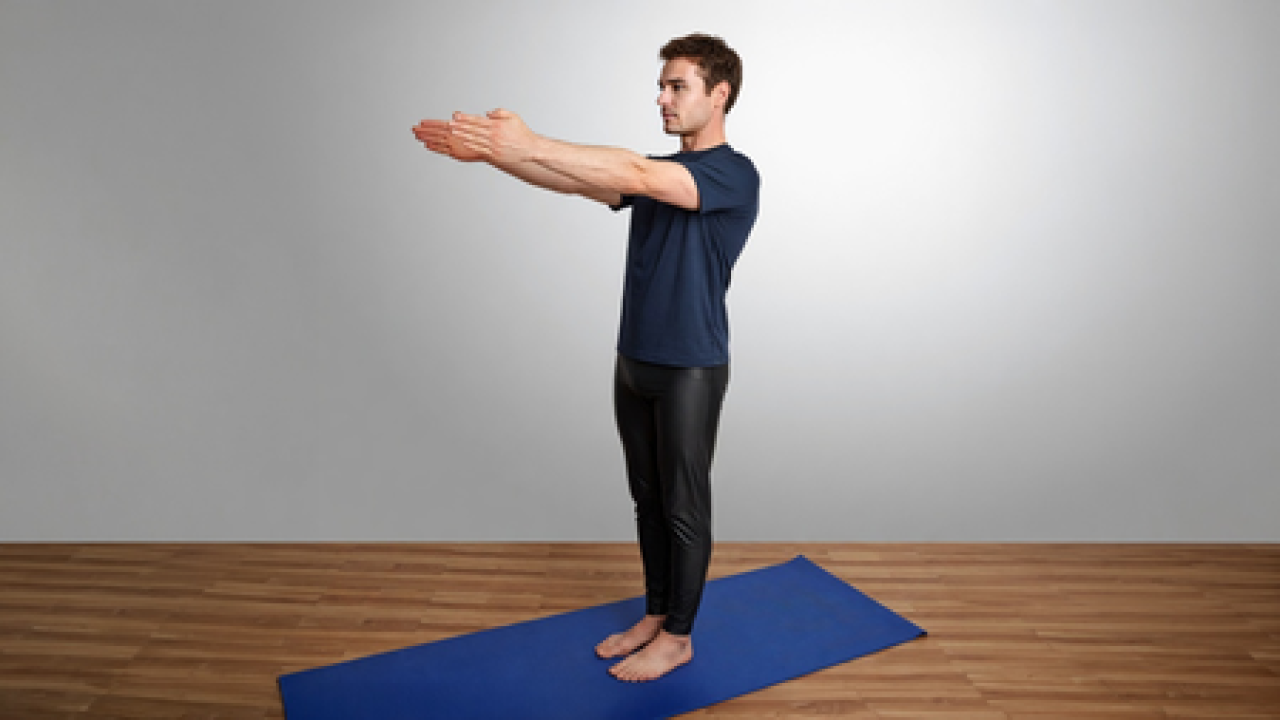
To perform this pose, stand straight and inhale while bringing both arms forward, palms facing each other. As you exhale, gently twist your waist to the left. Place your right hand on your left shoulder and try to bring your left hand around your back to your right waist. Turn your neck to the left and look back. Hold this position for a few seconds while breathing normally. Inhale to return to the front and repeat the process on the right side.
Individuals with heart conditions, severe back pain, hernia, or those who have recently undergone abdominal surgery should avoid this pose.

Bhupendra Singh Chundawat is a seasoned technology journalist with over 22 years of experience in the media industry. He specializes in covering the global technology landscape, with a deep focus on manufacturing trends and the geopolitical impact on tech companies. Currently serving as the Editor at Udaipur Kiran, his insights are shaped by decades of hands-on reporting and editorial leadership in the fast-evolving world of technology.