Columbus, Ohio – New research from The Ohio State University Wexner Medical Center has uncovered compelling evidence that traumatic brain injuries (TBI) may heighten the risk of developing Alzheimer’s disease. The groundbreaking study, involving both animal models and human brain tissue, reveals that TBIs could accelerate harmful protein build-ups in the brain, a hallmark of Alzheimer’s-related cognitive decline.
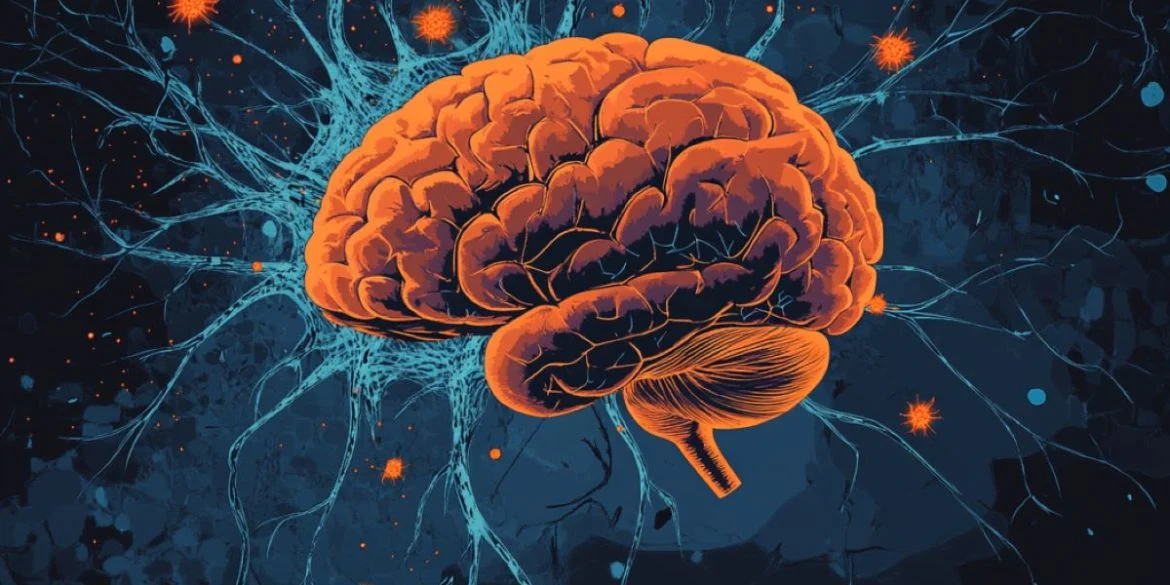

The research highlights the role of a key protein, BAG3, which is critical in the brain’s defense against harmful protein accumulation. The findings suggest that enhancing BAG3 could be a promising approach to mitigating the Alzheimer’s risk for individuals who have suffered TBIs.
Understanding the Link Between TBIs and Alzheimer’s Disease
Each year, approximately 2.5 million people experience TBIs, and many of these individuals face a higher likelihood of developing Alzheimer’s as they age. The study, led by Dr. Hongjun “Harry” Fu, Assistant Professor of Neuroscience at Ohio State, focused on understanding the molecular pathways that connect TBIs to the onset of Alzheimer’s.
By analyzing mouse models and post-mortem human brain samples, Dr. Fu’s team discovered that TBIs significantly increase the presence of hyperphosphorylated tau proteins. These proteins are notorious for their role in Alzheimer’s disease, where they disrupt normal brain function and contribute to cognitive decline. Along with other complications, such as synaptic dysfunction, the accumulation of these proteins creates an environment that fosters the progression of Alzheimer’s.
BAG3 Protein: A Key to Prevention
One of the study’s most significant revelations is the role of the protein BAG3 in the brain’s defense system. Normally, BAG3 helps remove toxic proteins, including the tau proteins linked to Alzheimer’s. However, after a TBI, levels of BAG3 were found to decrease, leading to the harmful accumulation of these proteins in neurons.
Using gene therapy, the researchers were able to increase BAG3 levels in the brain, which resulted in the reversal of some damage caused by TBI. This therapeutic approach not only improved brain function but also reduced the build-up of harmful proteins, offering a promising avenue for Alzheimer’s prevention.
“This research points to BAG3 as a potential target for future therapies aimed at reducing Alzheimer’s risk after brain injury,” said Dr. Fu. “By boosting the brain’s natural mechanisms for clearing harmful proteins, we could open the door to new treatments that protect against cognitive decline.”
Looking Ahead: The Next Steps in Research
The Ohio State team is continuing its work using a model known as CHIMERA, which replicates the effects of mild TBIs in humans more accurately than previous methods. This model will be crucial in further studying the connection between TBIs and Alzheimer’s disease, providing deeper insights into how brain injuries can set the stage for neurodegenerative disorders.
The research team is optimistic that these findings could eventually lead to the development of treatments that not only reduce the impact of TBIs but also lower the risk of Alzheimer’s in the millions of people affected by brain injuries each year.
Conclusion
This breakthrough research from Ohio State underscores the importance of understanding how TBIs can contribute to Alzheimer’s disease. The potential of targeting proteins like BAG3 offers hope for future therapies that could change the trajectory for those at risk of cognitive decline due to brain injury. As research continues, the scientific community edges closer to finding new ways to combat the devastating effects of both TBIs and Alzheimer’s.

Bhupendra Singh Chundawat is a seasoned technology journalist with over 22 years of experience in the media industry. He specializes in covering the global technology landscape, with a deep focus on manufacturing trends and the geopolitical impact on tech companies. Currently serving as the Editor at Udaipur Kiran, his insights are shaped by decades of hands-on reporting and editorial leadership in the fast-evolving world of technology.