

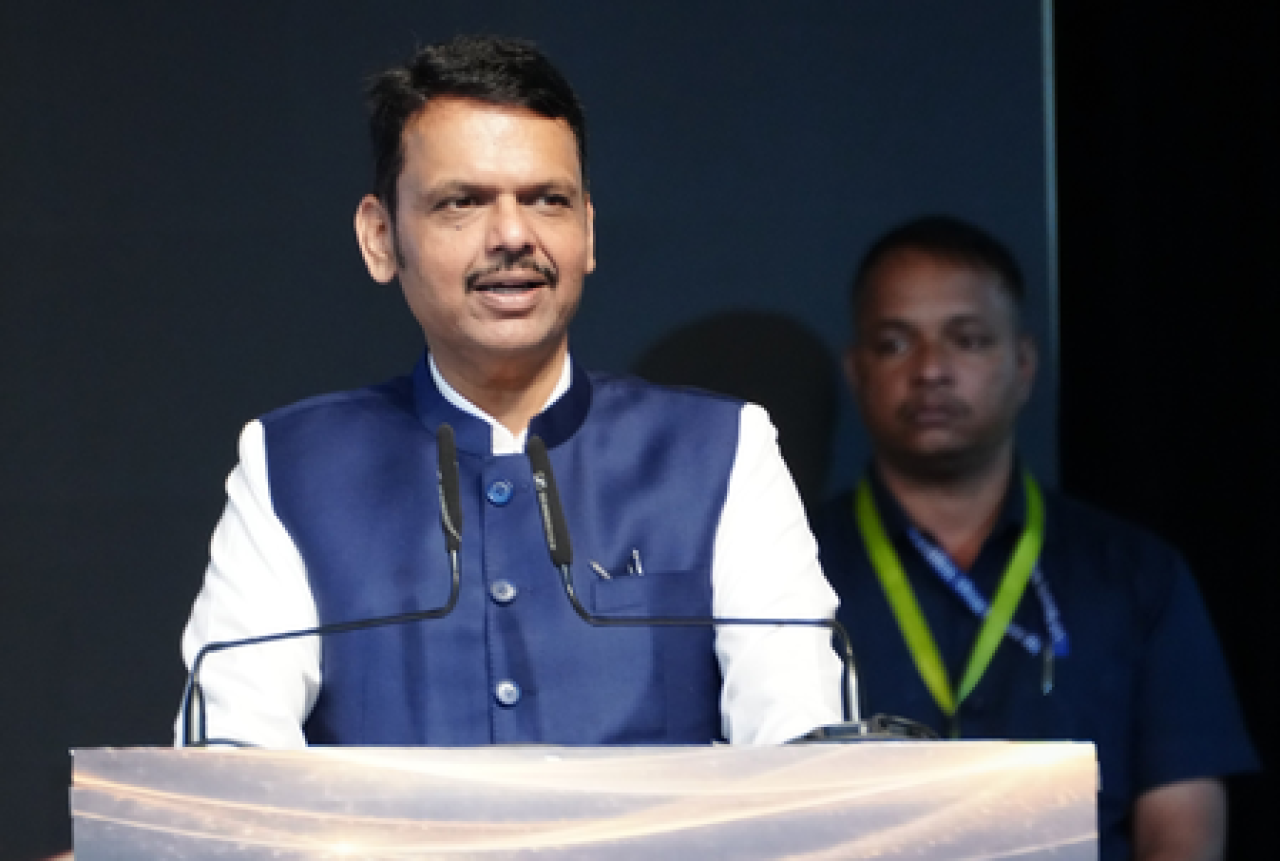

Mumbai, September 21 (Udaipur Kiran) : Maharashtra is taking significant steps to prepare its youth for international job opportunities with the launch of its Global Workforce Mobility Policy 2026. Chief Minister Devendra Fadnavis announced this initiative during a high-level conference on international labor mobility held at the Sahyadri Guest House in Mumbai. The policy aims to equip young people with necessary skills and language training to meet the evolving global employment demands.
Recognizing the need for skilled manpower in various countries, the state government plans to develop a ‘Skill Passport’ for job seekers. This initiative will also involve updating curricula at industrial training institutes and establishing a secure recruitment system for overseas employment.
Fadnavis highlighted the increasing global demand for skilled human resources due to changing demographics and an aging population. He emphasized that India’s youth have the potential to meet this demand effectively, thereby enhancing the concept of ‘circular talent mobility’ and positioning Maharashtra as a key player in this arena.
India has already signed labor mobility agreements with around 28 countries, where there is a significant demand for skilled professionals in sectors like engineering, healthcare, and construction. According to the World Economic Forum’s “Future of Jobs Report 2025,” approximately 170 million new jobs are expected to be created globally by 2030, while around 92 million jobs may be displaced. In this context, Fadnavis reiterated Maharashtra’s commitment to leading in international workforce mobility.
To bridge the gap between training institutions and the specific human resource needs of various countries, the government plans to leverage the experience of recruitment agencies. A blended approach to training, combining traditional and digital methods, will be encouraged. Additionally, the Chief Minister called for a structured online language training program, incorporating minimal assessments and digital translation tools.
The draft policy prioritizes skill development, training aligned with global demands, language training, certification, documentation assistance, and pre-departure guidance. Fadnavis also mentioned that the government will focus on connecting skilled individuals returning from abroad with local industries.
In collaboration with the central government’s Digital India initiative, the state has signed a memorandum of understanding to facilitate overseas job opportunities for Maharashtra’s youth and eliminate language barriers. Candidates will receive free and accessible training in foreign and professional languages through translation technology, benefiting students from industrial training institutes and technical colleges.
Protocol Minister Jaykumar Rawal emphasized that international labor mobility is not just about the migration of human resources, but an economic partnership that links skills, investment, Indian expatriates, and the global market. The network of foreign consulates in Mumbai, along with coordination among industries, universities, and skill development institutions, will connect Maharashtra’s talent with global opportunities.

Bhupendra Singh Chundawat is a seasoned technology journalist with over 22 years of experience in the media industry. He specializes in covering the global technology landscape, with a deep focus on manufacturing trends and the geopolitical impact on tech companies. Currently serving as the Editor at Udaipur Kiran, his insights are shaped by decades of hands-on reporting and editorial leadership in the fast-evolving world of technology.