

Tensions Rise in Hormuz Strait as Trump Issues Threats, Oil Prices Surge

Washington, April 6: Rising tensions between Iran and the Hormuz Strait are putting pressure on global energy markets and supply chains. Oil prices have surged, raising concerns about disruptions in one of the world’s most critical shipping routes.
According to CNN, oil prices spiked on Sunday following President Donald Trump’s threat to attack Iranian energy centers if the Hormuz Strait is not reopened. Reports indicate that Brent crude rose by 1.4 percent to $110.60, while U.S. crude increased by 1.8 percent to $113.60.
The Hormuz Strait, located between Iran and Oman, is a vital passage for global oil trade, with any disruptions having an immediate impact on markets. The Washington Post reports that approximately 20 percent of the world’s oil supply passes through this strait annually, making it one of the most strategically sensitive chokepoints globally.
Current standoffs have already begun to disrupt shipping flows. According to Fox News, the Bahraini foreign minister stated that Iranian interference in the passage of ships through the Hormuz Strait has reduced tanker traffic by over 90 percent, posing a threat to global food security and economic stability. The impact is not limited to energy markets; disruptions in maritime trade are also affecting food and fertilizer supply chains.
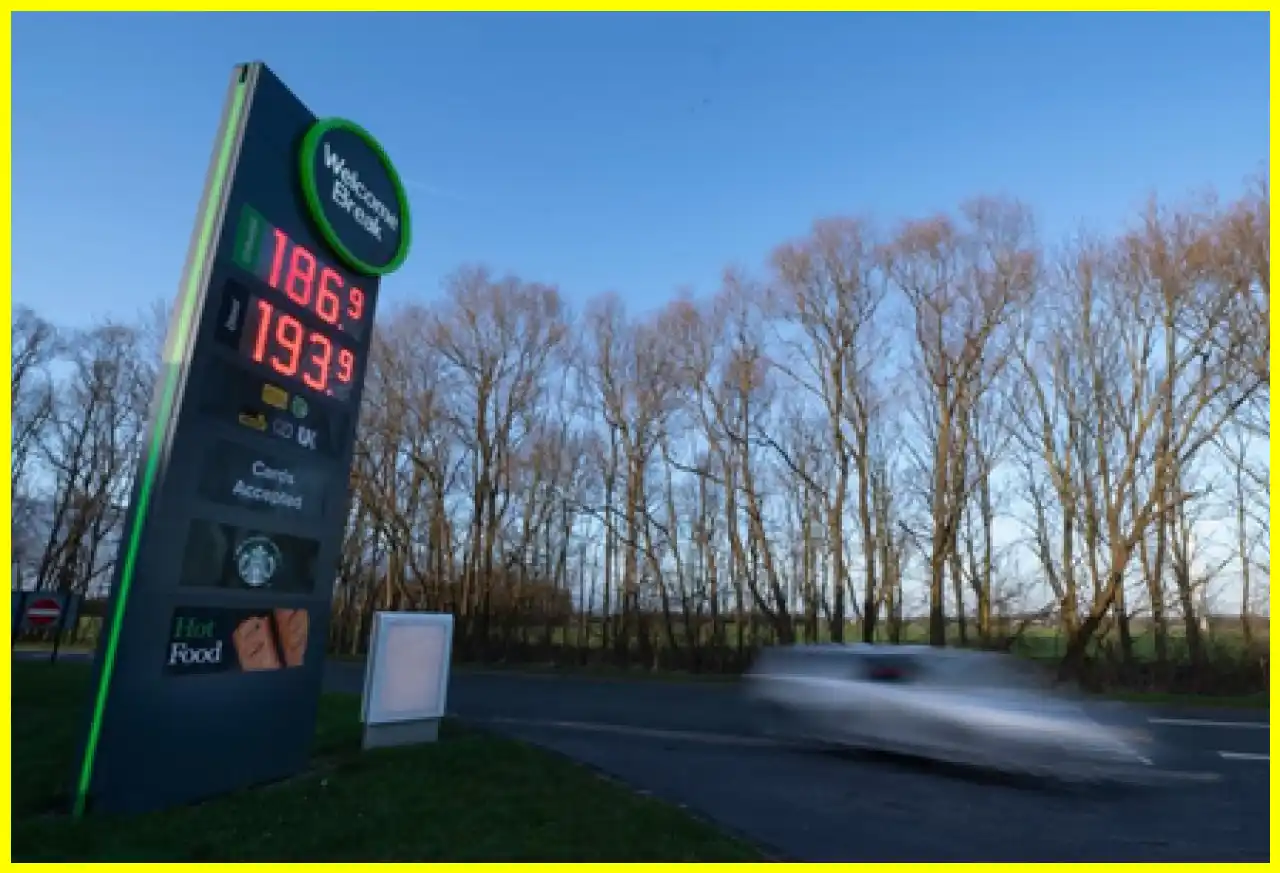
The Bahraini minister noted that the crisis has escalated beyond initial threats to ships, now presenting a broader risk to global stability. Market volatility is already reflected in rising fuel prices. In the United States, increasing costs of crude oil linked to the conflict have led to a spike in gasoline prices.
Fox News reports that the national average gasoline price has reached approximately $4.11 per gallon, a rapid increase in recent weeks, with prices rising across nearly all regions, and some areas seeing prices significantly above the national average.
The report states, “Ongoing conflicts with Iran are causing rising crude oil costs, which are continuously driving up gas prices.” Jet fuel prices have also surged, increasing operational costs for airlines and raising the likelihood of higher airfares and reduced flight capacities.
According to industry data cited by Fox News, jet fuel prices in the U.S. have seen their fastest rise in years, more than doubling in just a few weeks. Analysts suggest that prolonged disruptions in the Hormuz Strait could further strain global logistics, particularly impacting energy-importing countries in Asia and Europe.
In addition to immediate price spikes, the situation is fostering uncertainty in global financial markets. The New York Times reports that oil markets reacted to the weekend’s developments with rising prices and broader economic concerns.
The report mentions, “On Sunday, Brent crude prices reached nearly $111. This conflict has shaken markets already sensitive to supply disruptions.”
CNN notes that Oman has been involved in the latest round of negotiations with Iran, while regional countries, including Pakistan, have also participated in discussions. Despite these efforts, Iran has indicated that it will keep the strait closed until its demands are met, increasing the risk of further tensions.
According to CNN, a senior Iranian official stated that the waterway “will remain blocked until Iran receives compensation for war damages.”
This crisis has also prompted warnings from energy producers and international organizations. The New York Times reports that OPEC+ members have expressed concerns about damage to energy infrastructure and the potential for prolonged supply disruptions.

Bhupendra Singh Chundawat is a seasoned technology journalist with over 22 years of experience in the media industry. He specializes in covering the global technology landscape, with a deep focus on manufacturing trends and the geopolitical impact on tech companies. Currently serving as the Editor at Udaipur Kiran, his insights are shaped by decades of hands-on reporting and editorial leadership in the fast-evolving world of technology.