
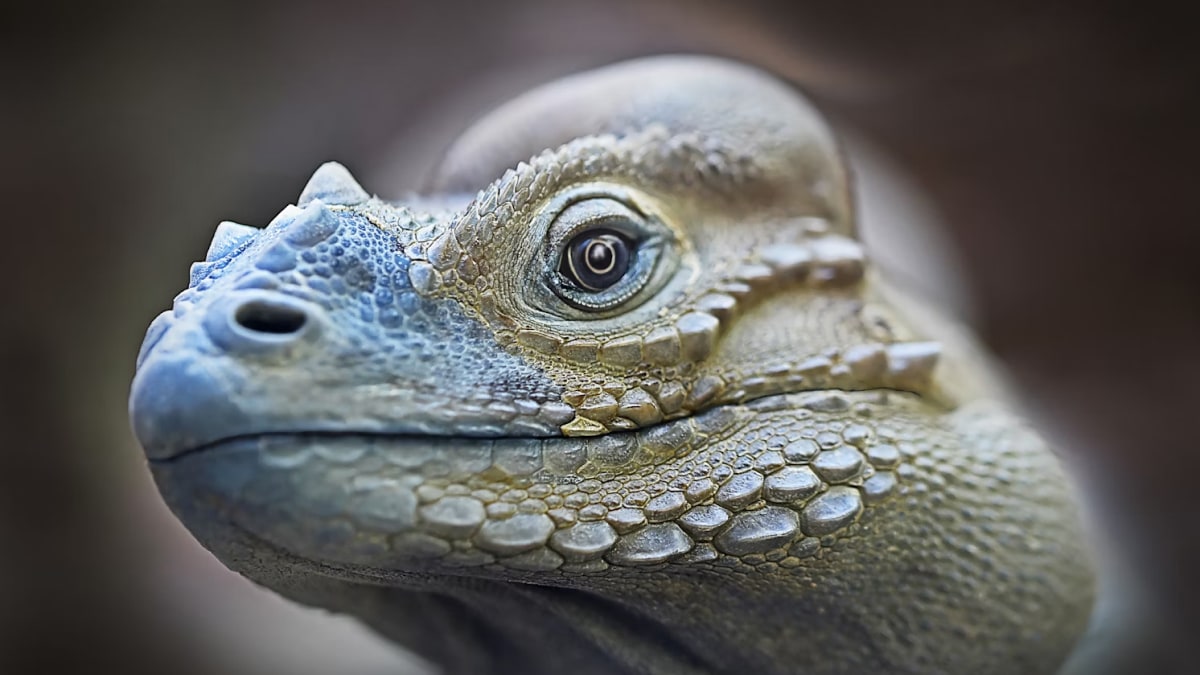

Semi climatous lizards, such as the water anole (Anolis aquaticus), can stay beneath the surface for a longer period because they can hold an air bubble around their snout. This was first seen in 2018, and the authors of that study confirmed the existence of this behavior in 18 other species of anole. The bubbles allow the lizards to breathe under water, hence hiding from predators for longer intervals. Scientists recently discovered that this bubble is not just a by-product of their water-repellent skin but rather vital to their survival.
Bubbles Extend Dives
Led by Lindsey Swierk, an assistant research professor of biological sciences at Binghamton University, the researchers observed 28 water anoles to see just how long they could spend submerged with and without their air bubble. And what they discovered surprised them: The anoles with the air bubble could stay submerged 32% longer than those without. Additional time underwater could mean more protection from predators in their natural habitats near riverbanks in Costa Rica and Panama.
How the Air Bubble Works
The bubble is left by water anoles exhaling; this bubble is held in place by their hydrophobic skin. The bubble expands and contracts during dives, allowing the lizard to redistribute oxygen, which makes it possible for them to dive for longer times. The longest recorded dive time for an unaltered anole during the study was greater than five minutes. A treatment on anoles’ skin that prevented the formation of the bubble resulted in shorter dive times.
More Research on Bubble Breathing
Swierk suggests that if the experiment had been conducted in the wild, the disparities in the dive times could have been starker as natural predators might have kept the lizards underwater for longer periods. The scientists are currently exploring whether the bubbles form a “physical gill,” just like how the diving beetles use the entrapped air to top up their oxygen reservoir.

Bhupendra Singh Chundawat is a seasoned technology journalist with over 22 years of experience in the media industry. He specializes in covering the global technology landscape, with a deep focus on manufacturing trends and the geopolitical impact on tech companies. Currently serving as the Editor at Udaipur Kiran, his insights are shaped by decades of hands-on reporting and editorial leadership in the fast-evolving world of technology.