

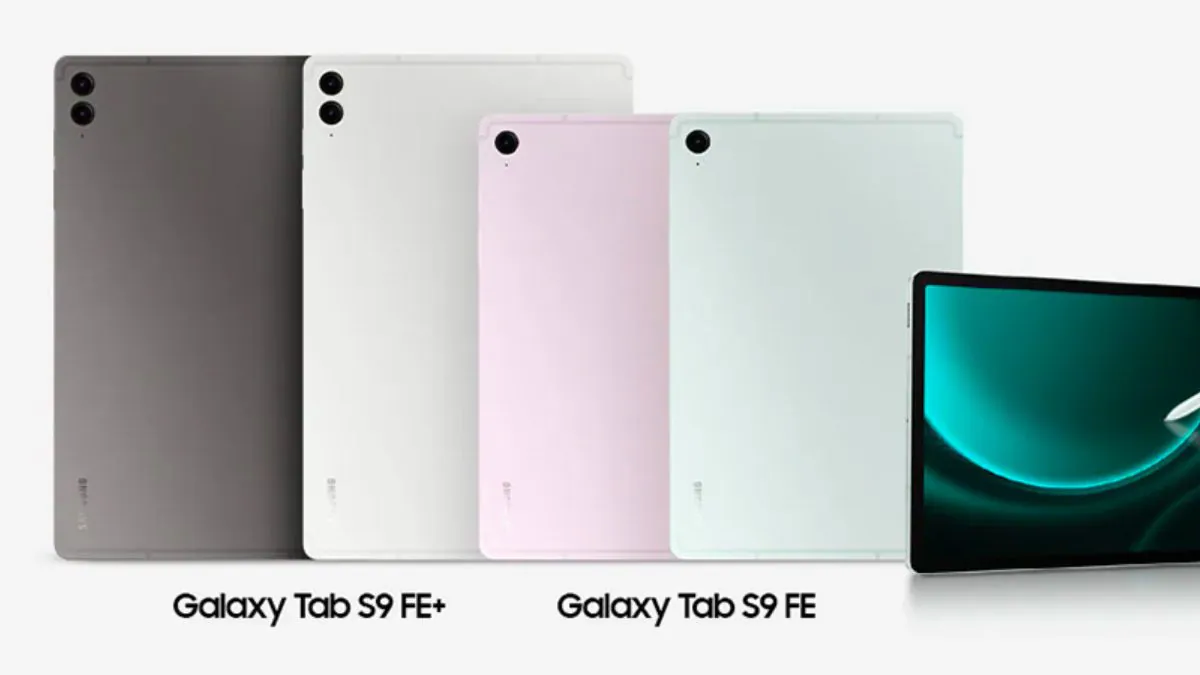

Samsung is preparing to unveil its latest mid-range tablets, the Galaxy Tab S10 FE and Galaxy Tab S10 FE Plus, as leaks continue to surface ahead of the official launch. The next-generation Fan Edition (FE) lineup follows the Galaxy Tab S9 FE series, introducing larger displays, improved battery life, and upgraded performance to compete in the premium mid-range tablet market. The leaked details, first reported by Roland Quandt via WinFuture, provide an in-depth look at what to expect from the Galaxy Tab S10 FE series, including specifications, design updates, and expected pricing in global markets. Here’s everything you need to know.
The Samsung Galaxy Tab S10 FE series consists of two models: Galaxy Tab S10 FE (Standard Model) – A 10.9-inch tablet designed for everyday use, productivity, and entertainment. Galaxy Tab S10 FE Plus (Larger Variant) – A 13.1-inch model, offering a bigger display and longer battery life, making it a strong alternative to the iPad Air. Unlike the previous Galaxy Tab S9 FE series, which featured minimal upgrades, Samsung has made significant changes to the Plus model, bridging the gap between mid-range and premium tablets.
One of the biggest upgrades in the Galaxy Tab S10 FE Plus is its larger 13.1-inch display, a step up from the 12.4-inch screen on the Tab S9 FE Plus. Meanwhile, the standard Galaxy Tab S10 FE retains its 10.9-inch screen, both offering a resolution of 2304 x 1440 pixels. Tab S10 FE Plus – 13.1-inch display, improved screen real estate for multitasking and media consumption. Tab S10 FE – 10.9-inch display, compact and portable for on-the-go users. IPS LCD panels – Both models are expected to feature IPS LCD screens rather than AMOLED, keeping costs lower in the mid-range segment. S Pen Support – Samsung continues its focus on productivity, offering S Pen support on both models, making them ideal for artists, students, and professionals. While Samsung’s flagship Galaxy Tab S9 series features AMOLED displays, the FE lineup sticks to IPS LCD panels, prioritizing battery efficiency and affordability.
Samsung is equipping both models with the Exynos 1580 processor, the same in-house chipset used in the upcoming Galaxy A56 smartphone. This ensures decent performance for daily tasks, multitasking, and light gaming. Processor: Exynos 1580 – A balanced mid-range chipset for smooth performance. Storage Options: 128GB or 256GB – With expandable microSD card support for additional storage. RAM Options: 8GB – Optimized for multitasking and productivity apps. Software: One UI 6 based on Android 14 – A refined UI with Samsung DeX support for desktop-like usage. While it’s not a flagship chipset, the Exynos 1580 should provide sufficient power for most tasks, including streaming, browsing, document editing, and casual gaming.
Samsung has made some notable changes to the camera system, particularly on the Galaxy Tab S10 FE Plus. Unlike its predecessor, the Tab S10 FE Plus ditches the ultra-wide rear camera in favor of a single 13MP sensor. Rear Camera: 13MP (both models) – No ultra-wide lens this time. Front Camera: 12MP (both models) – Designed for video calls and selfies. While tablets aren’t typically known for camera quality, Samsung ensures that the front-facing camera remains strong, catering to users who frequently engage in video meetings and virtual classes.
Samsung has boosted battery capacity, particularly in the Galaxy Tab S10 FE Plus, which now comes with a 10,090mAh battery, up from the 9,800mAh on the previous model. Galaxy Tab S10 FE Plus: 10,090mAh battery – Optimized for long hours of video streaming, reading, and gaming. Galaxy Tab S10 FE: 8,000mAh battery – Compact yet capable of lasting a full workday. Charging Speed: Both models support 45W fast charging, the same as the Galaxy S25 Ultra, ensuring quick power-ups via USB-C. With Samsung’s power optimization features, both models should easily last a full day on a single charge under normal usage conditions.
According to leaks, Samsung is positioning these tablets in the premium mid-range category, with pricing aligned to compete with Apple’s iPad Air lineup. Galaxy Tab S10 FE (8GB + 128GB) – 579 Euros (approximately ₹54,420). Galaxy Tab S10 FE Plus (8GB + 128GB) – 749 Euros (approximately ₹70,410). While official pricing for other regions (including the US and India) is yet to be confirmed, these estimates suggest that Samsung is keeping the FE series competitive while packing in key upgrades.
With the iPad Air 5, OnePlus Pad, and Xiaomi Pad 6 dominating the mid-range segment, Samsung’s FE lineup needs to strike the right balance between performance, price, and features. Samsung Galaxy Tab S10 FE vs. iPad Air 5 Feature Galaxy Tab S10 FE Plus iPad Air 5 Display 13.1-inch IPS LCD 10.9-inch Liquid Retina Processor Exynos 1580 Apple M1 Battery 10,090mAh Up to 10 hours Charging Speed 45W Fast Charging 20W Stylus Support S Pen Apple Pencil (sold separately) OS Android 14 (One UI 6) iPadOS 17. While Apple’s M1 chip dominates in raw power, Samsung offers a larger display, faster charging, and expandable storage, making it a compelling alternative for Android users.
Samsung’s Galaxy Tab S10 FE series is shaping up to be a strong contender in the mid-range tablet market, bringing bigger displays, improved battery life, and S Pen support without breaking the bank. BUY IT IF: You want a larger screen for work and entertainment. You need S Pen support for productivity and creative tasks. You prefer Android’s flexibility over iPadOS. DON’T BUY IT IF: You need flagship performance (consider the Galaxy Tab S9 Ultra instead). You are locked into Apple’s ecosystem. With its competitive pricing and solid hardware, the Galaxy Tab S10 FE series could be Samsung’s best mid-range tablet lineup yet, appealing to students, professionals, and multimedia enthusiasts alike.

Deependra Singh Chundawat is a Senior Sub-Editor at Udaipur Kiran, specializing in a wide range of technology topics including mobile phones, applications, gaming, PCs, and wearables. Along with covering the latest tech news, he also creates engaging web stories. Passionate about emerging technologies, he stays up to date with the newest trends and enjoys reading and writing about the latest mobile launches and digital innovations.