

The successor to the iPhone 15 Pro, the iPhone 16 Pro, is expected to be released this year, and the company’s next-generation smartphones may be produced with an improved display, the source indicates. While Apple’s Pro phones can reach up to 1,000 nits of brightness, iPhone 16 Pro models with slightly larger panels can boost brightness by 20 percent for standard dynamic range (SDR) content. The smartphones will feature an improved chip and a new Capture button later this year.
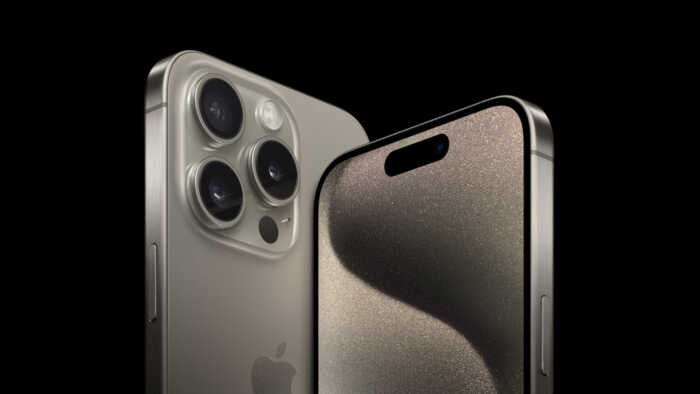

Tipster Instant Digital (translated from Chinese) claims in a Weibo post that the iPhone 16 Pro supports normal brightness up to 1,200 nits when the phone displays SDR content. This is 20 percent more than the 1000 nits limit of the iPhone 15 Pro models. Meanwhile, according to the expert, the peak brightness of the HDR content will be 1,600 nits, which means that customers cannot expect any changes compared to the current generation phones.
The increase in brightness isn’t the only display-related change on the iPhone 16 Pro models, with reports suggesting that Apple will likely increase the size of the display panels on both Pro phones. The iPhone 16 Pro and iPhone 16 Pro Max models will reportedly have 6.27-inch (159.31 mm) and 6.85-inch (174.06 mm) displays.
Last month, it was reported that the iPhone 16 and iPhone 16 Pro models could be released with larger batteries later this year. However, the insider claims that the iPhone 16 Plus model may have a smaller battery than the current generation iPhone 15 Plus.
Other updates coming to the iPhone 16 Pro models include a faster A18 chip, which is expected to support the device’s built-in artificial intelligence features in the company’s iOS 18 mobile operating system. Apple is reportedly introducing a new Photo button for the iPhone 16 series this year, allowing users to quickly take photos with a single touch.

Bhupendra Singh Chundawat is a seasoned technology journalist with over 22 years of experience in the media industry. He specializes in covering the global technology landscape, with a deep focus on manufacturing trends and the geopolitical impact on tech companies. Currently serving as the Editor at Udaipur Kiran, his insights are shaped by decades of hands-on reporting and editorial leadership in the fast-evolving world of technology.