

New Delhi, May 26 – India is witnessing a steady uptick in COVID-19 cases, with 1,047 active infections reported across the country. According to the Ministry of Health and Family Welfare, 11 deaths have been attributed to the virus in recent days, including 5 in Maharashtra, the highest among all states. Health officials confirm the emergence of four new variants across regions, though none are classified as variants of concern.
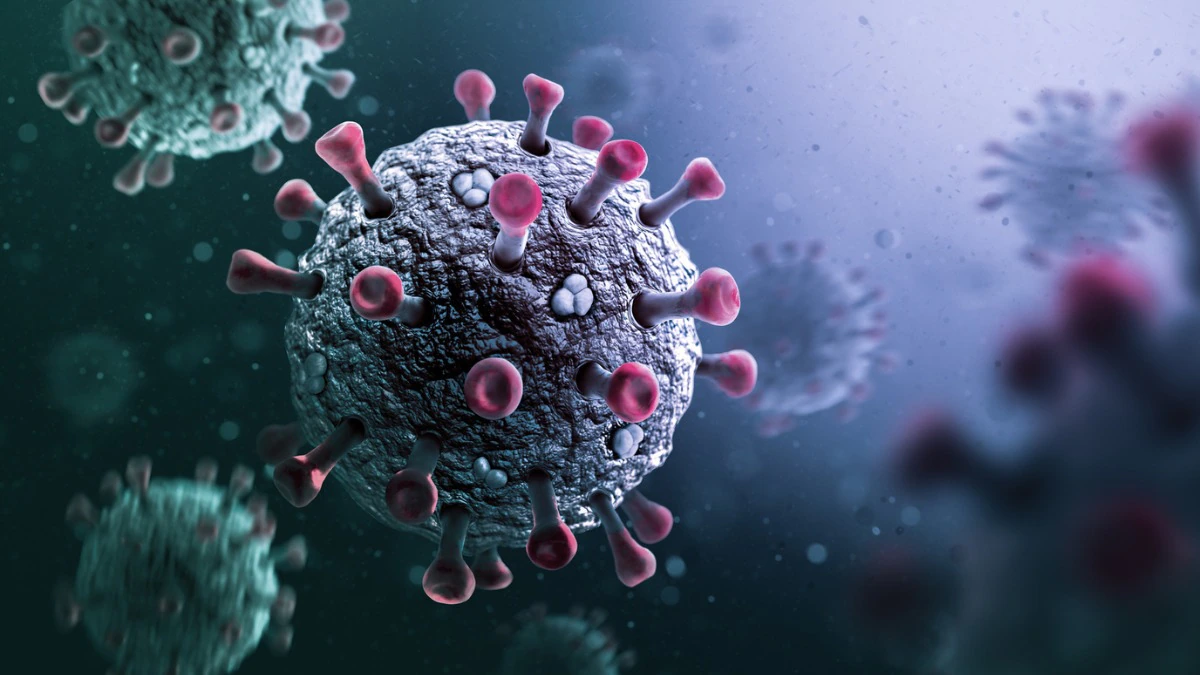

COVID-19 Resurgence: State-Wise Overview
Kerala leads the case count with 430 active infections, followed by Maharashtra (208), Delhi (104), Gujarat (83), and Karnataka (80) — of which 73 are concentrated in Bengaluru. In total, 787 new cases have been logged in the past week.
The recent fatalities include:
-
Two in Rajasthan’s Jaipur, including a 26-year-old TB patient and a deceased person found at the railway station who later tested positive.
-
Two in Thane, Maharashtra, involving a young man and an elderly woman receiving hospital treatment.
-
One in Bengaluru, Karnataka, where an 84-year-old man with multiple organ failure was posthumously confirmed positive.
-
Additional deaths in Kerala, West Bengal, and Madhya Pradesh.
Four COVID-19 Variants Detected in India
According to Dr. Rajeev Bahl, Director-General of the Indian Council of Medical Research (ICMR), four variants—LF.7, XFG, JN.1, and NB.1.8.1—have been identified through genomic sequencing, mainly in South and West India.
Among these, JN.1 is currently the most prevalent variant in India, present in over half of all tested samples. It belongs to the Omicron lineage BA.2.86 and was labeled a “variant of interest” by the World Health Organization (WHO) in December 2023 due to its high transmissibility and immune-evasive properties.
NB.1.8.1, another circulating variant, carries spike protein mutations such as A435S, V445H, and T478I, which help it spread rapidly and evade vaccine-induced immunity.
Health Experts Urge Caution, Not Panic
Dr. Bahl emphasized that while these variants are spreading, current infections remain mild to moderate in severity, and there is no immediate cause for public alarm. WHO has not categorized these variants as “variants of concern,” but health authorities are maintaining close surveillance.
The JN.1 variant, although more contagious, generally causes milder symptoms. However, it is known to weaken immunity, and some patients may experience prolonged symptoms even after recovery—commonly referred to as long COVID.
What to Expect and How to Stay Safe
The resurgence is a reminder to remain vigilant, especially in urban centers and among high-risk individuals. While hospitalizations are low, the health ministry continues to monitor hospitalization trends, mortality rates, and variant behavior closely.
People are advised to:
-
Continue mask-wearing in crowded places.
-
Maintain hand hygiene.
-
Stay up-to-date on booster vaccinations, especially for the elderly and immunocompromised.
-
Consult a doctor if COVID-like symptoms persist beyond a few days.
As the monsoon season approaches and respiratory infections generally rise, the healthcare system is preparing to ensure adequate testing, surveillance, and emergency response mechanisms.

Bhupendra Singh Chundawat is a seasoned technology journalist with over 22 years of experience in the media industry. He specializes in covering the global technology landscape, with a deep focus on manufacturing trends and the geopolitical impact on tech companies. Currently serving as the Editor at Udaipur Kiran, his insights are shaped by decades of hands-on reporting and editorial leadership in the fast-evolving world of technology.