

New Delhi, October 20 (Udaipur Kiran): Every year, millions of people lose their lives to heart attacks, often because they fail to recognize the early warning signs or mistake them for minor health issues. In reality, a heart attack rarely occurs suddenly — the body usually gives several signals well in advance.
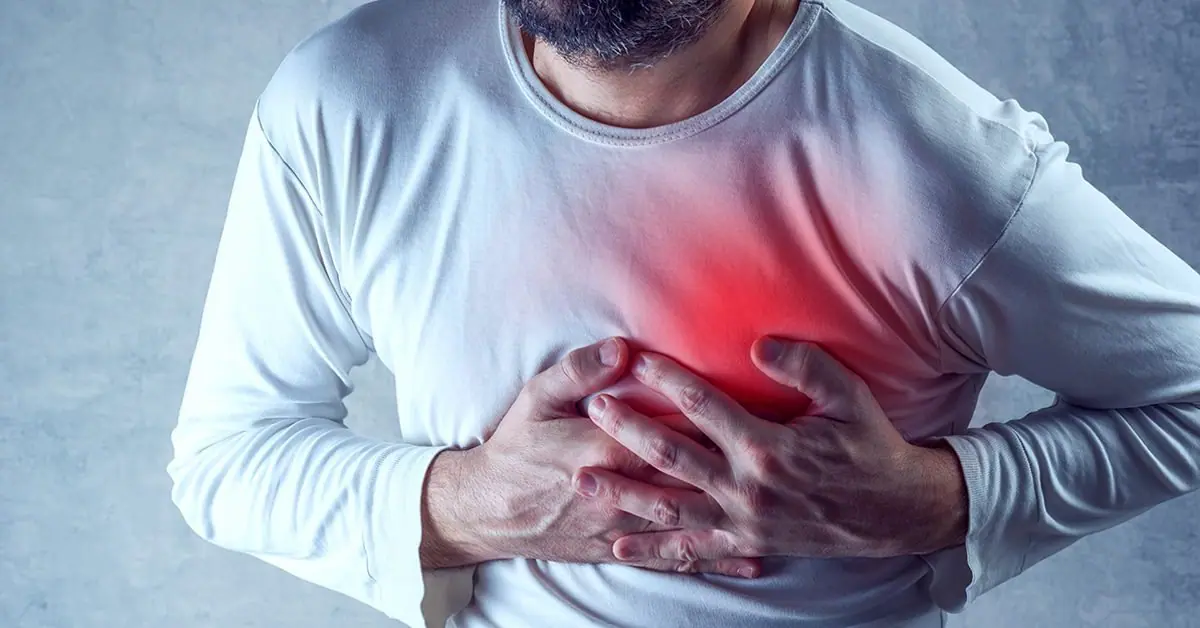

A heart attack happens when the coronary arteries, which supply oxygen and nutrients to the heart, become blocked due to cholesterol buildup, blood clots, high blood pressure, diabetes, smoking, or chronic stress. This obstruction restricts blood flow, leading to damage in the heart muscle.
Common Symptoms of a Heart Attack
The most common sign is chest pain or pressure, often described as heaviness, tightness, or a burning sensation. The discomfort may radiate to the left arm, shoulder, jaw, or back, and can be constant or intermittent.
Another major symptom is shortness of breath — difficulty breathing even during light activity or while resting. Some people may experience excessive sweating, cold or clammy skin, nausea, vomiting, dizziness, or a sensation of fainting.
Persistent fatigue, weakness, and an unexplained lack of energy are also early warning signs, particularly when they occur without physical exertion. These may indicate weakening of the heart muscles.
Different Symptoms in Women
In women, heart attack symptoms can be subtle and less typical compared to men. While chest pain is less common, women often report extreme tiredness, nausea, body ache, stiffness, anxiety, and restlessness.
Pregnant women or those with hormonal changes may mistake stomach discomfort or indigestion-like pain for minor digestive issues — but these could be hidden signs of a heart attack. Hence, such symptoms should never be ignored.
What to Do in Case of Suspected Heart Attack
If someone experiences these symptoms for more than five minutes, immediate action is crucial:
-
Call an ambulance without delay.
-
Help the person sit in a comfortable position.
-
Loosen tight clothing to make breathing easier.
-
Avoid giving food or water unless instructed by a medical professional.
Quick medical attention can save a life, as timely treatment helps restore blood flow and prevent severe heart damage.

Bhupendra Singh Chundawat is a seasoned technology journalist with over 22 years of experience in the media industry. He specializes in covering the global technology landscape, with a deep focus on manufacturing trends and the geopolitical impact on tech companies. Currently serving as the Editor at Udaipur Kiran, his insights are shaped by decades of hands-on reporting and editorial leadership in the fast-evolving world of technology.