

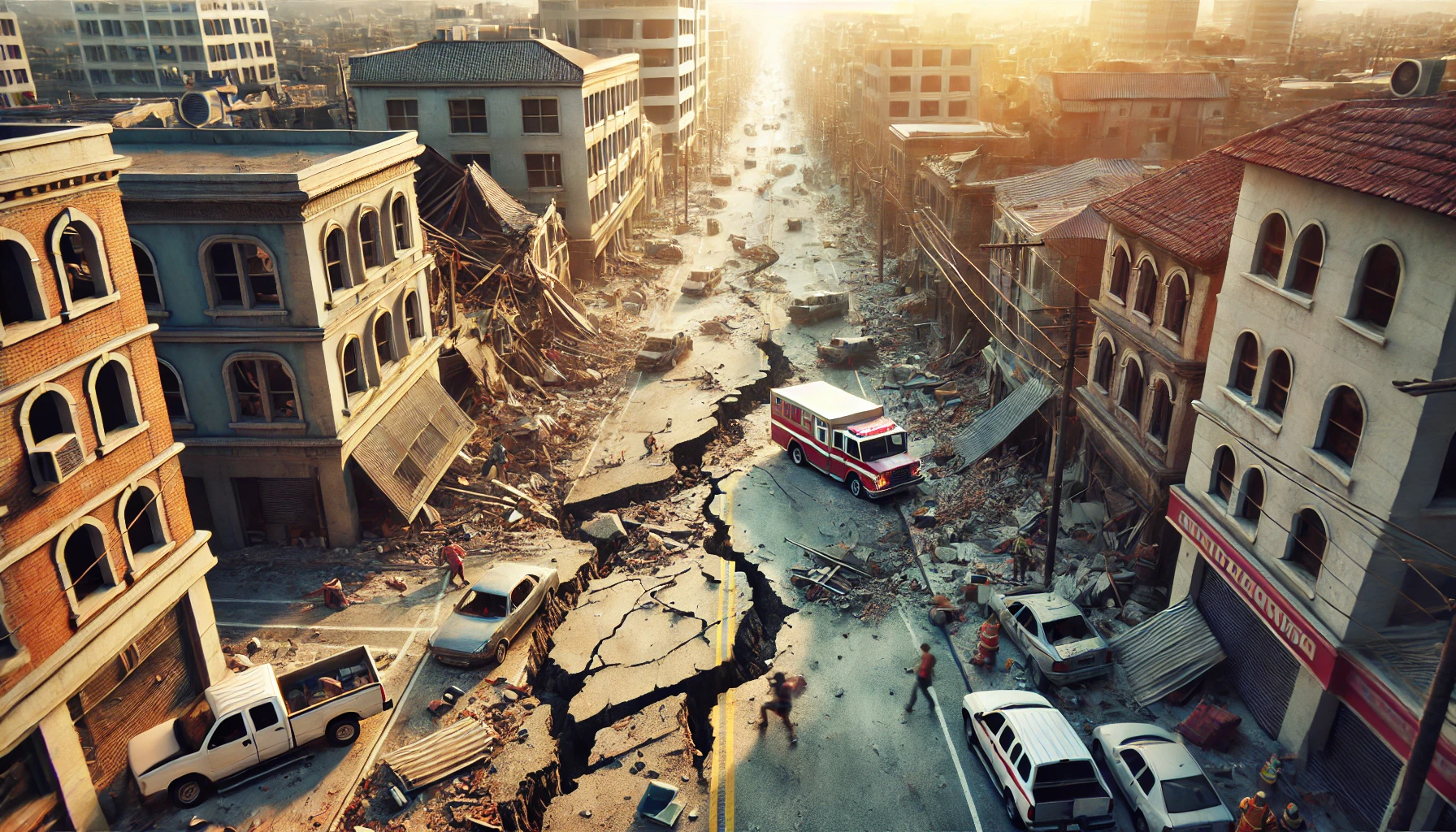
New Delhi, January 7 – A powerful earthquake measuring 7.1 on the Richter scale struck parts of Delhi-NCR, Bihar, and West Bengal early Tuesday morning at 6:35 AM, triggering widespread tremors across several regions. According to the National Center for Seismology (NCS), the earthquake’s epicenter was located 10 kilometers beneath the surface in Shizang, China. The tremors were also felt in Nepal, Bhutan, and Indian states like Sikkim and Uttarakhand.
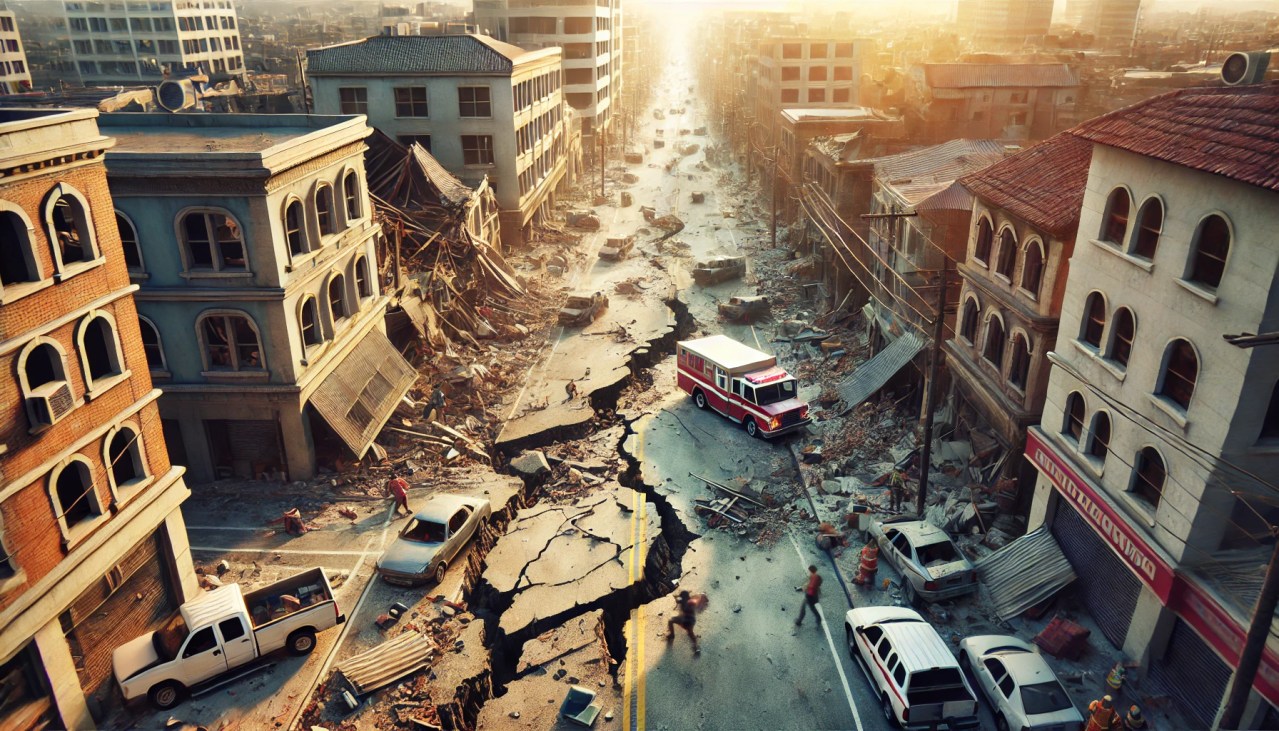

As of now, no reports of damage or casualties have emerged from India. Similarly, preliminary reports from Nepal and China indicate no significant impact.
Seismic History: China Witnessed a 7.2 Magnitude Quake Last Year
This latest earthquake comes almost a year after a 7.2 magnitude earthquake struck China’s Xinjiang region on January 22, 2024. The tremor, which had its epicenter 22 kilometers below the surface near the China-Kyrgyzstan border, caused significant structural damage and injuries. Following the main quake, over 40 aftershocks were recorded, with the worst impact reported in Urumqi, Korla, Kashgar, and Yining.
Recalling the 2015 Nepal Earthquake: A Catastrophic Event
The earthquake has rekindled memories of the devastating 7.8 magnitude earthquake that hit Nepal in 2015, resulting in widespread destruction and loss of life. Nearly 9,000 people lost their lives, and the tremor altered the region’s geography.
According to tectonic expert James Jackson from the University of Cambridge, the quake caused Kathmandu’s ground to shift 10 feet southward. However, despite the massive impact on the region’s landscape, the Mount Everest massif remained unaffected. Experts noted that the energy released during the Nepal quake was equivalent to 20 large nuclear bombs.
Why Do Earthquakes Happen?
Earthquakes occur due to movements in the Earth’s tectonic plates. The Earth’s surface comprises seven major and numerous smaller plates that float on molten rock. These plates are constantly in motion, and when they collide or slide past each other, stress builds up along their edges. When the stress exceeds the plates’ breaking point, it releases energy in the form of seismic waves, causing an earthquake.
In this instance, the collision of Eurasian and Indian plates likely triggered the quake, as this region lies in a seismically active zone.
Precautions During an Earthquake
Given the recurring seismic activity in this part of the world, here are a few safety tips to follow during an earthquake:
- Drop, Cover, and Hold On – Drop to the ground, take cover under a sturdy table, and hold on until the shaking stops.
- Stay Indoors – If you are indoors, move away from windows, exterior walls, and heavy furniture.
- Avoid Elevators – Use stairs if evacuation is necessary.
- Stay Alert for Aftershocks – Aftershocks often follow a major earthquake, and they can cause additional damage.
- Have an Emergency Kit Ready – Keep essential supplies like water, food, a flashlight, and a first-aid kit handy.

Bhupendra Singh Chundawat is a seasoned technology journalist with over 22 years of experience in the media industry. He specializes in covering the global technology landscape, with a deep focus on manufacturing trends and the geopolitical impact on tech companies. Currently serving as the Editor at Udaipur Kiran, his insights are shaped by decades of hands-on reporting and editorial leadership in the fast-evolving world of technology.