


New Delhi, May 1: Climate change has emerged as one of the most significant challenges facing the world today. In simple terms, climate change refers to a long-term alteration in the average weather conditions of a region or the entire planet. This includes changes in temperature, rainfall, drought, and weather patterns.
Before delving into climate change, it is essential to understand the difference between weather and climate. Weather refers to the conditions outside on a specific day or over a short period, such as rain today or sunshine. In contrast, climate refers to the average weather conditions in a particular area over many years (typically 30 years or more). For instance, Phoenix generally experiences dry and hot weather. Even if it rains for a week, the climate there is still considered desert-like.
The Earth’s climate has always been subject to change. Thousands of years ago, during the Ice Age, much of what is now America was covered in ice. However, scientists are now concerned that the Earth’s climate is changing at an alarming rate. Over the past century, global temperatures have risen by more than 2 degrees Fahrenheit, with recent years marking some of the hottest in recorded history.
According to scientists, the primary cause of the rapid warming of the Earth over the last century is the increase in greenhouse gases. Human activities, such as the excessive use of coal, petrol, and diesel, along with factories, cars, buses, and deforestation, are contributing to the rise of gases like carbon dioxide and methane in the atmosphere. These greenhouse gases trap the sun’s heat in the Earth’s atmosphere, leading to rising temperatures, a phenomenon known as the greenhouse effect. While this effect is natural and keeps the Earth habitable, human activities have disrupted this balance.
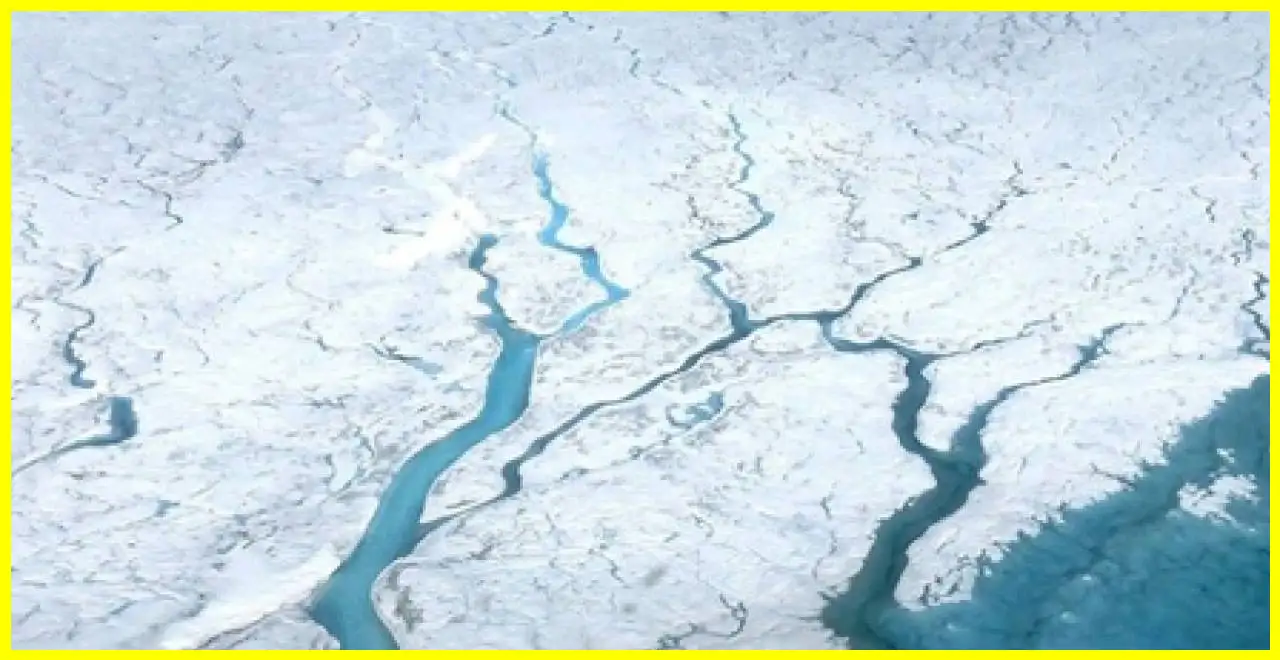
The consequences of climate change include rising sea levels, rapid melting of glaciers and ice sheets, an increase in heatwaves, droughts, and floods, changes in rainfall patterns, and shifts in the blooming times of plants and flowers.
Scientists from NASA, the Indian Space Research Organisation (ISRO), and other global agencies continuously monitor these changes using satellites, aircraft, weather stations, and ground-based instruments. They also study ancient data by extracting ice cores and sediment cores from the ocean floor. This research clearly indicates that the Earth is warming at a much faster rate than before.
Climate change is no longer a distant problem; it directly affects our daily weather, agriculture, water availability, and marine life. Experts believe that if greenhouse gas emissions are not controlled immediately, we may face even more severe consequences in the future.

Deependra Singh Chundawat is a Senior Sub-Editor at Udaipur Kiran, specializing in a wide range of technology topics including mobile phones, applications, gaming, PCs, and wearables. Along with covering the latest tech news, he also creates engaging web stories. Passionate about emerging technologies, he stays up to date with the newest trends and enjoys reading and writing about the latest mobile launches and digital innovations.