

Ultra-Processed Food Sales in India Rise 40-Fold, Linked to Obesity and Diabetes: The Lancet
New Delhi, 19 November (Udaipur Kiran). Sales of ultra-processed foods (UPFs) in India have increased sharply, leading to significant changes in dietary habits and contributing to rising cases of obesity and diabetes. These findings were highlighted in three research papers published in The Lancet on Wednesday.
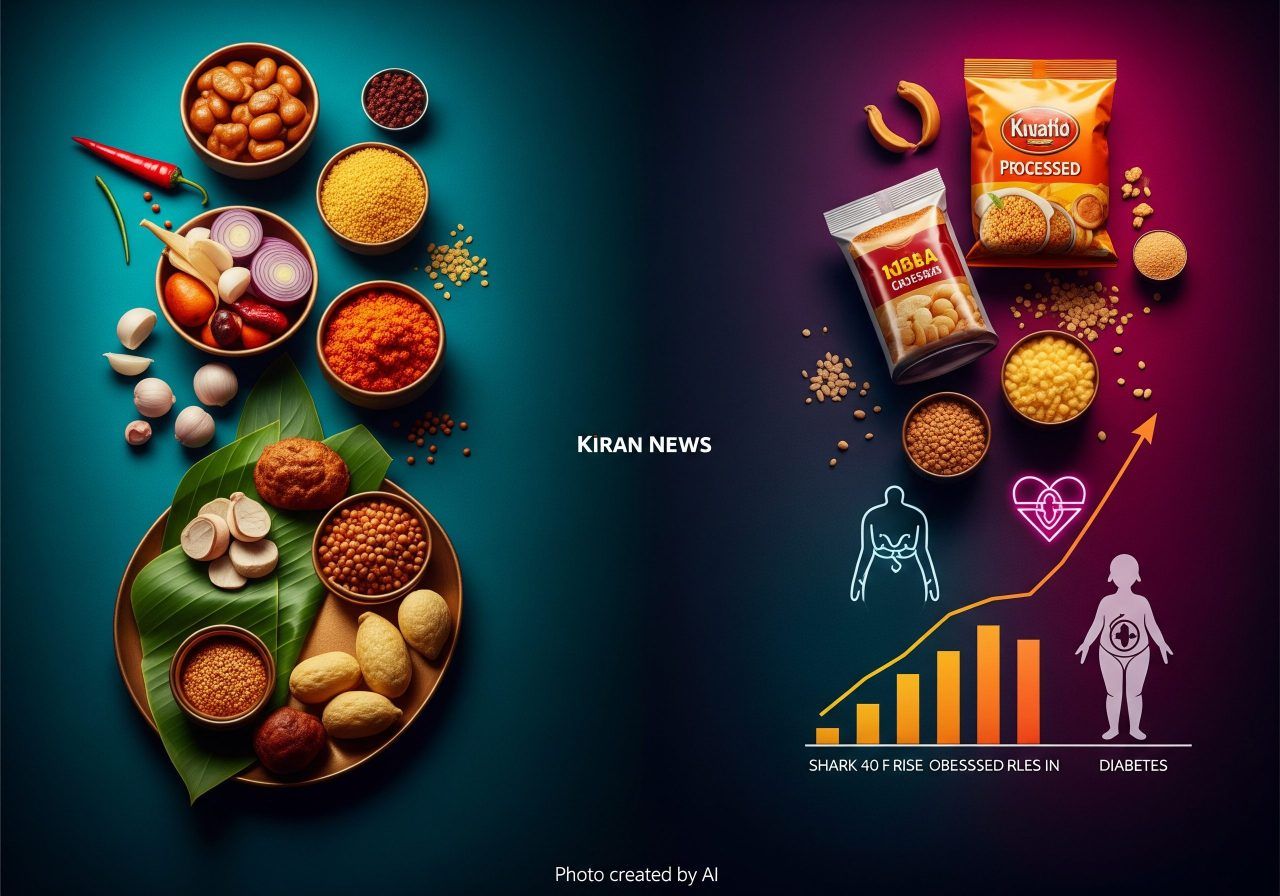

UPFs are food products containing very high levels of fat, sugar and salt, along with artificial additives such as stabilisers, emulsifiers, colours and flavours. These foods are associated with increased risks of obesity, type-2 diabetes, heart diseases, depression and premature death.
According to the research, written by 43 international experts, retail sales of UPFs in India rose from USD 0.9 billion in 2006 to nearly USD 38 billion in 2019, marking almost a 40-fold increase in just 13 years.
Store shelves are now filled with packaged foods and beverages such as snacks, noodles, biscuits, sweetened drinks, chips and breakfast cereals. The study notes that heavy advertising of these products is influencing children and young adults on a large scale.
The findings show that obesity among men in India has increased from 12 per cent to 23 per cent, while in women it has risen from nearly 15 per cent to 24 per cent.
The papers also discuss aggressive marketing and promotional campaigns used by UPF companies to increase consumption.
Paediatrician and co-author Dr Arun Gupta said, “Our regulations are not effective in controlling marketing. India must act quickly to reduce UPF intake and aim to prevent obesity and diabetes in the coming years. With UPF sales rising fastest in India and negatively affecting health, the country should treat UPFs as a major public health concern.”
The authors urged immediate public health action to curb UPF consumption and improve dietary habits globally.
They emphasised that instead of relying solely on consumer behaviour, coordinated policies are needed to regulate the production, marketing and consumption of UPFs. They also called for better access to healthy food options.
Prof. Srinath Reddy, Chancellor of the PHFI University of Public Health Sciences, said that India needs strict regulations requiring UPF producers to disclose product information and harmful levels of salt, sugar and fat through clear front-of-pack warning labels.
He added that advertisements portraying UPFs as addictive can contribute to multiple health risks, making it important to restrict such promotions, especially considering the strong influence of celebrity endorsements.

Bhupendra Singh Chundawat is a seasoned technology journalist with over 22 years of experience in the media industry. He specializes in covering the global technology landscape, with a deep focus on manufacturing trends and the geopolitical impact on tech companies. Currently serving as the Editor at Udaipur Kiran, his insights are shaped by decades of hands-on reporting and editorial leadership in the fast-evolving world of technology.