

Study Links Longer Reproductive Lifespan to Healthier Brain Blood Vessels in Women
A recent study found that women with longer reproductive lifespans show less brain damage later in life.

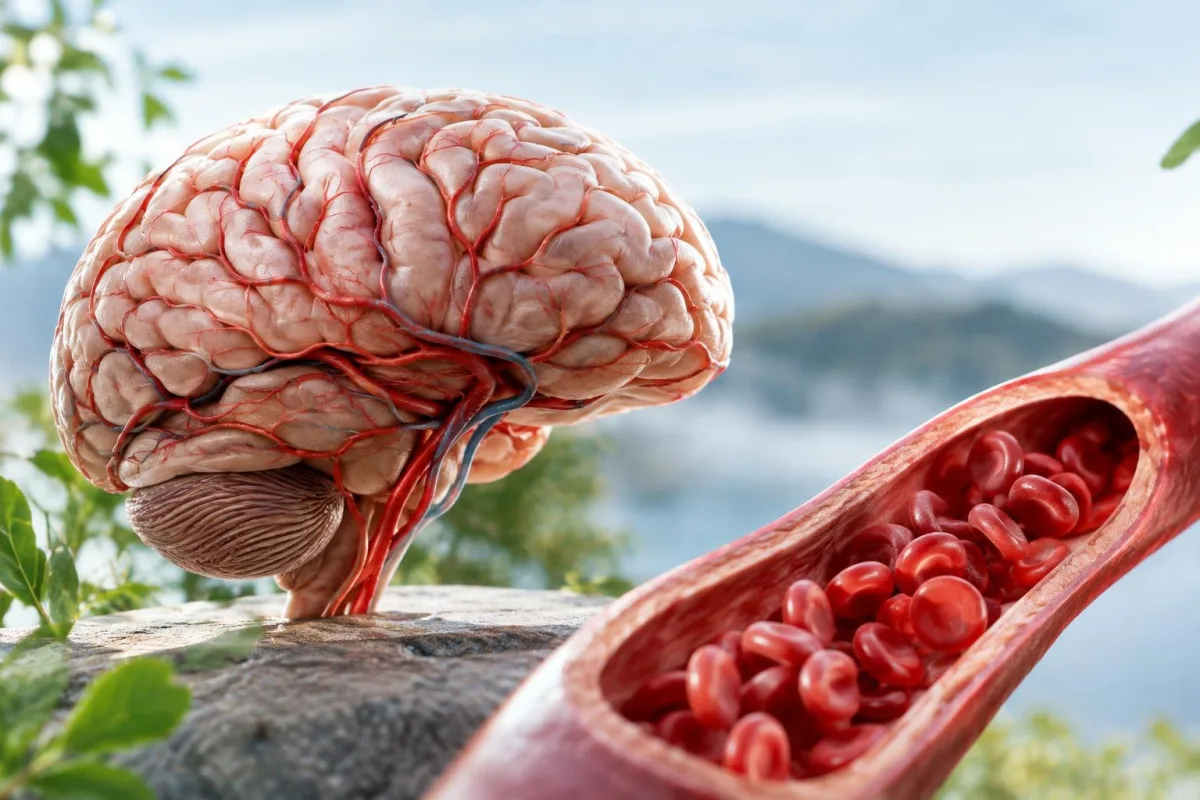
NEW DELHI, Nov 7: Women with longer reproductive lifespans may have healthier brain blood vessels, according to a study published in the journal Neurology. This research highlights potential links between estrogen exposure and brain health, particularly regarding vascular conditions.
The study, conducted by researchers at Karolinska Institutet, involved 352 women aged around 70 from Gothenburg, Sweden, who had no signs of cognitive impairment at the start. MRI scans taken at ages 70 and 75 assessed brain health, focusing on small blood vessel conditions.
Results indicated that a longer reproductive lifespan, defined as the time from first menstruation to menopause, was correlated with less damage in brain blood vessels. Specifically, those who had used menopausal hormone therapy (MHT) displayed fewer signs of cerebral small vessel disease and healthier brain white matter.
Senior author Anna Marseglia remarked, “I was personally very excited” about the findings, suggesting that extended estrogen exposure could improve brain health. However, she cautioned that the study did not establish a direct causative effect.
There are limitations in the study’s data collection process. Participants self-reported hormone use without detailed information on dosages or specific treatments. Marseglia noted, “We cannot really deny that we see an association. We just need to understand if it is there for every woman, under which conditions and in which time window.”
Among participants, 73% had used oral contraceptives, while 61% had utilized menopausal hormone therapy. Those who combined both methods demonstrated the most favorable vascular brain health, suggesting cumulative hormonal factors could enhance cerebrovascular health.
Giulia Lorenzon, first author and former postdoctoral researcher at Karolinska Institutet, stressed the observational nature of the study. She stated, “We cannot therefore determine cause and effect.” The researchers recommended further investigation to confirm their findings and better understand the relationship between estrogen, brain aging, and potential risks of dementia.
This study adds to a growing body of research examining how estrogen levels throughout a woman’s life may impact risks associated with Alzheimer’s disease and other neurodegenerative conditions. However, current medical recommendations do not endorse hormone therapy solely for brain health protection; decisions should be based on individual health needs.
Sources

My name is Kuldeep Singh Chundawat. I am an experienced content writer with several years of expertise in the field. Currently, I contribute to Daily Kiran, creating engaging and informative content across a variety of categories including technology, health, travel, education, and automobiles. My goal is to deliver accurate, insightful, and captivating information through my words to help readers stay informed and empowered.