

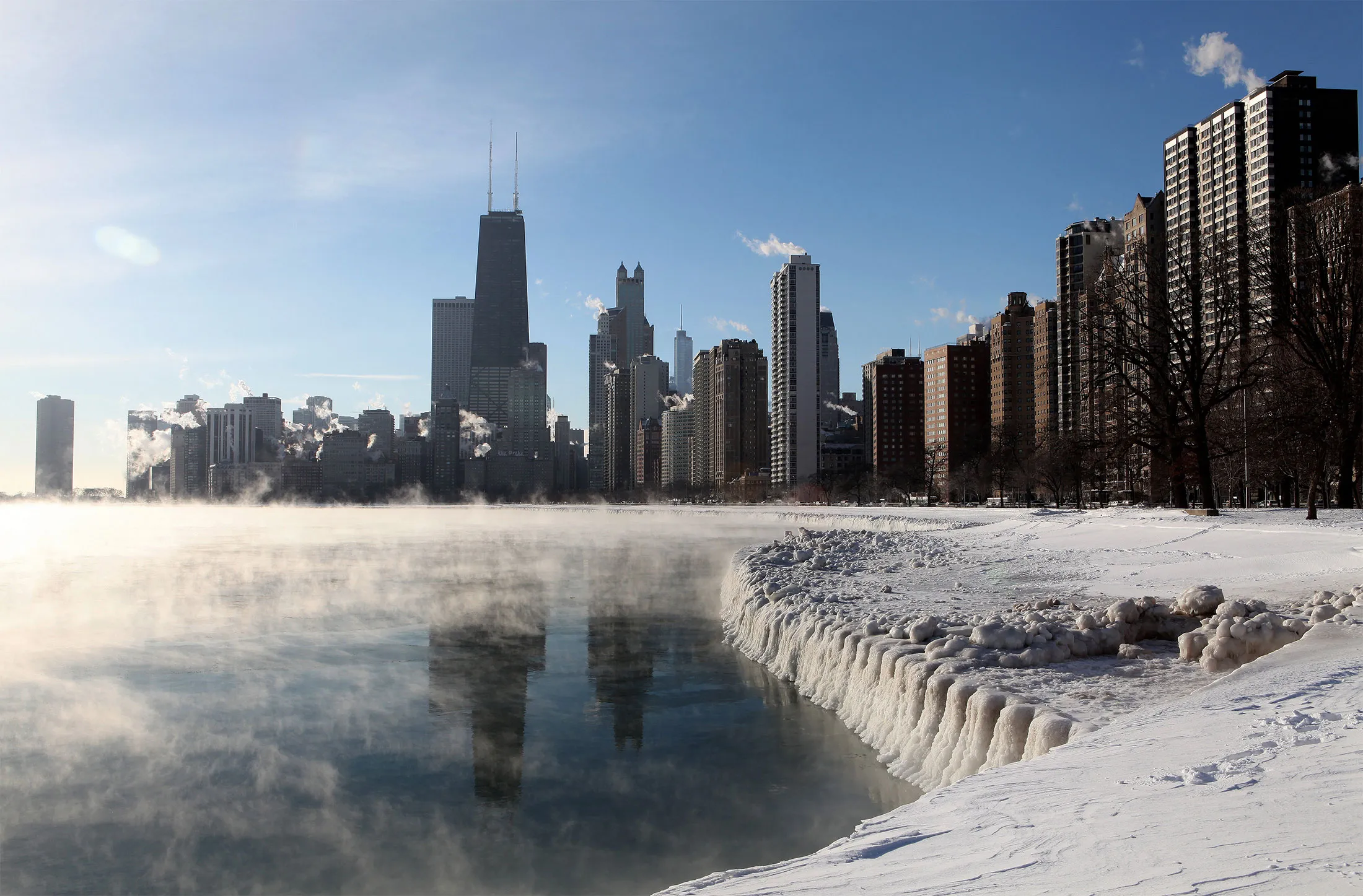
With frigid air racing south from the Arctic, a polar vortex is poised to unleash what could be the most intense cold wave in over a decade across the eastern United States. Meteorologists and emergency officials are sounding the alarm, urging residents to prepare for a prolonged period of dangerous cold, severe winter storms, and widespread disruptions.
The Arctic surge, driven by a complex interaction between a destabilized polar vortex and a series of high-pressure systems across Canada, is expected to grip the country in freezing temperatures from the Great Lakes to the Gulf Coast. As millions brace for a blast of record-breaking cold, the coming weeks are shaping up to be a defining moment in this winter season.

Unprecedented Cold Across the Nation
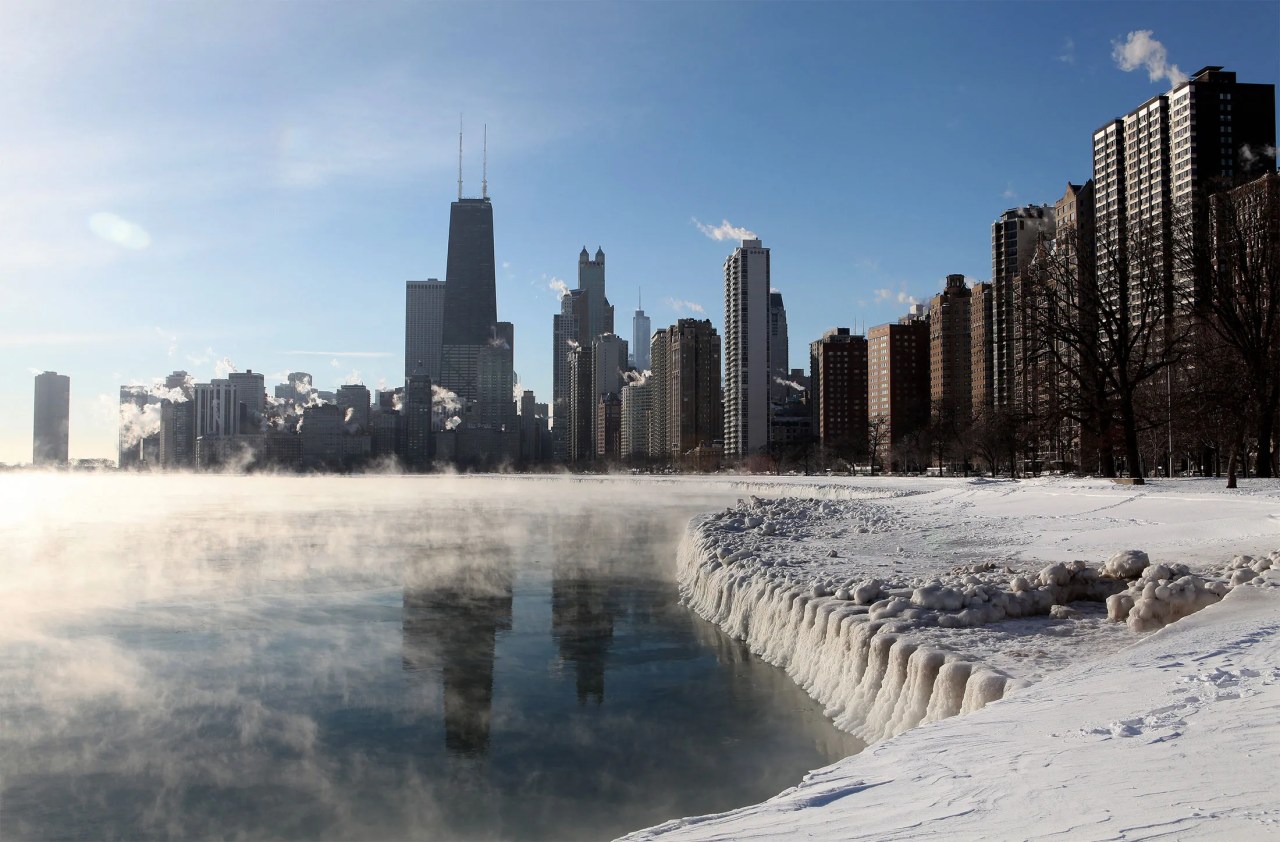
According to long-range forecasts, temperatures across several states could drop 10 to 17 degrees Celsius below average. The frigid air mass is expected to blanket major metropolitan areas from Chicago to Boston and extend as far south as Florida, where historically rare freezing conditions are likely to occur.
“Even regions accustomed to mild winters are going to feel this,” said Paul Pastelok, lead long-range forecaster at AccuWeather. “This is not just a brief cold snap—it’s a sustained freeze with potentially record-breaking lows across multiple states.”
In Florida, where temperatures rarely dip below freezing, wildlife experts are preparing for unusual cold-related phenomena. Iguanas, for example, are known to become immobilized in extreme cold, leading to the strange sight of these reptiles falling from trees. Citrus growers in the Sunshine State are also on high alert, as freezing weather could severely damage crops and affect the agricultural economy.
Prolonged Freeze May Challenge Infrastructure
Unlike typical winter cold fronts that pass through in a matter of days, this Arctic blast could persist well into mid-January, with multiple reinforcing waves of high-pressure systems expected to maintain subzero temperatures across much of the country.
Utility providers are gearing up for potential strain on power grids, particularly in regions unaccustomed to severe cold. During previous polar vortex events, sudden spikes in energy demand led to rolling blackouts and prolonged outages. To mitigate risks, energy companies are urging customers to reduce consumption during peak hours and are deploying crews in anticipation of potential outages.
Meanwhile, local officials are cautioning residents in vulnerable areas—particularly those in southern states with less winter-ready infrastructure—to insulate pipes, secure heating equipment, and stock up on essentials. In regions where snow is expected, plow teams are on standby to keep roads clear, but officials warn that icy conditions could make travel hazardous for days.
Impact on Agriculture and Supply Chains
Beyond the immediate risks to human safety, analysts warn that the extended cold spell could have far-reaching economic impacts. Farmers in southern states, especially those who grow citrus, vegetables, and other sensitive crops, face the threat of significant losses. Agricultural experts note that prolonged freezing conditions could devastate crops that are critical not only to local economies but also to national food supply chains.
“It’s not just about a few days of cold—it’s the length of exposure that matters,” said Dr. Linda Carmichael, an agricultural scientist based in Georgia. “Many crops simply can’t survive under sustained freezing temperatures.”
Supply chains, already under pressure from the holiday season, could face further disruptions as severe weather hampers transportation. Snow-covered highways, icy rail tracks, and delayed air freight are likely to affect the movement of goods across the country.
Travel Chaos Expected
Airlines are bracing for widespread cancellations and delays, particularly at major airports in Chicago, Boston, and New York, where blizzard-like conditions are forecast. Travelers are being advised to check flight statuses regularly and consider rebooking non-essential travel.
On the roads, transportation officials are warning of treacherous driving conditions, especially in areas where heavy snow and ice are expected. Interstate highways could be closed temporarily in some regions, and drivers are urged to carry emergency supplies, including blankets, food, and water, in case of being stranded.
“We’re expecting a perfect storm of challenges—icy roads, strong winds, and whiteout conditions,” said a spokesperson for the National Highway Traffic Safety Administration. “If you can stay off the roads during the worst of it, please do.”
Public Health Risks and Emergency Preparedness
Public health officials are emphasizing the critical importance of staying warm, as extreme cold can lead to frostbite, hypothermia, and even death in severe cases. Communities are being urged to check on elderly neighbors, those with pre-existing health conditions, and anyone who may be particularly vulnerable to the frigid weather.
Hospitals and emergency services are preparing for a spike in cold-related incidents, from slip-and-fall injuries on icy sidewalks to carbon monoxide poisoning resulting from improper use of space heaters. Residents are reminded never to use ovens or grills for heating and to ensure proper ventilation when using fuel-based heaters.
In anticipation of increased demand for shelter, cities across the affected regions are opening emergency warming centers to provide a safe haven for the homeless and others in need. Public officials are urging those who lack adequate heating at home to take advantage of these resources.
Vigilance and Preparedness Key to Enduring the Cold
Experts stress that preparation will be crucial in weathering the coming cold spell. Stocking up on supplies, including non-perishable food, water, flashlights, and batteries, can help households manage potential disruptions. Ensuring that homes are properly insulated and heating systems are functioning correctly will also be vital as the Arctic blast intensifies.
“This isn’t just another winter storm—it’s a serious weather event with the potential for widespread impact,” said AccuWeather’s Pastelok. “Taking the time to prepare now can make all the difference in how well you cope over the next few weeks.”
As millions across the U.S. prepare for what could be a once-in-a-decade cold event, one message remains clear: vigilance, preparation, and community support will be critical in enduring the bitter winter days ahead. The polar vortex may test the resilience of infrastructure, communities, and individuals alike, but with proper planning, its impact can be managed.

Bhupendra Singh Chundawat is a seasoned technology journalist with over 22 years of experience in the media industry. He specializes in covering the global technology landscape, with a deep focus on manufacturing trends and the geopolitical impact on tech companies. Currently serving as the Editor at Udaipur Kiran, his insights are shaped by decades of hands-on reporting and editorial leadership in the fast-evolving world of technology.