
Pahadi Mai Temple in Ramanujganj Emerges as a Year-Round Pilgrimage and Tourism Hub
Balrampur, May 24 – Nestled atop the lush green hills of Ramanujganj in northern Chhattisgarh, the revered Pahadi Mai Temple has evolved into a spiritual and cultural epicenter that draws thousands of devotees throughout the year. Known for its tranquil setting, religious significance, and scenic beauty, the temple is increasingly gaining recognition as both a pilgrimage destination and a budding tourist spot.
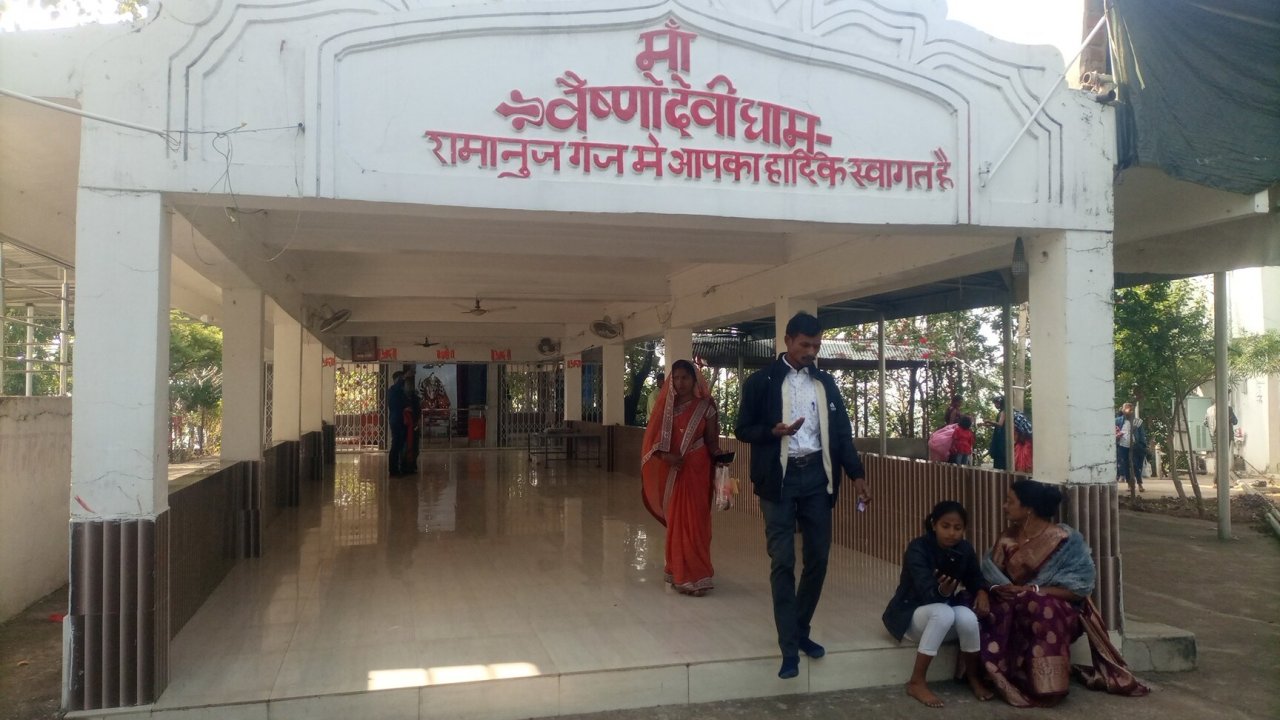

Despite its hilltop location, the temple sees a steady flow of worshippers from across Chhattisgarh and neighboring states including Jharkhand, Uttar Pradesh, Bihar, and Madhya Pradesh. Its popularity soars particularly during Navratri, when special rituals and community celebrations bring the region to life.
A Spiritual Gem on the Banks of Kanhar River
Ramanujganj, the last town on the northern tip of Chhattisgarh, lies on the banks of the Kanhar River, the largest river in north Surguja. The region’s diverse cultural fabric, woven from Chhattisgarh and adjoining Jharkhand, is reflected in the warmth and harmony of its people. Just across the river lies Godmana, the first town of Jharkhand, emphasizing the interwoven socio-religious bonds between the two states.
Locals and visitors alike frequently gather at Pahadi Mai Temple during festivals and religious occasions. Located on Malketu Hill, the temple is surrounded by seven hills, adding to its mystical and serene allure.
A View Worth the Climb
The path to the temple passes through the scenic Ward 13 Ring Road, with direct access from the bypass. At the base of the hill, a large reservoir offers boating facilities that further enhance the visitor experience. The uphill journey to the temple is marked by greenery and picturesque views that make the climb an experience in itself. From the summit, one can enjoy breathtaking panoramas of the Kanhar River, the town below, and the surrounding hills.
Locals often visit in the morning and evening, not just for worship but to find peace in the lap of nature. During the monsoon month of Sawan, devotees collect water from the Kanhar River to perform Jalabhishek on the temple’s Lord Shiva idol.
A Temple with No Animal Sacrifice, Rich in Tradition
Significantly, animal sacrifice is strictly prohibited at the temple, making it unique in its spiritual stance. The site also hosts religious ceremonies, marriages, and other rituals in a peaceful environment. The twin Navratri festivals – Chaitra and Sharadiya – witness a large influx of pilgrims and spiritual fervor.
The temple complex has now been recognized as a teerth sthal (pilgrimage site), known for its divine ambiance and spiritual fulfilment. Many visitors find themselves emotionally attached and reluctant to leave.
Built Through Collective Effort and Devotion
Initially, reaching the temple meant navigating narrow and rugged trails. To ease access, local residents took it upon themselves to build a road. In 2016, with support from community meetings and contributions, a cemented CC road was constructed from the base to the temple, followed by the construction of stone steps — many named after donors.
Today, thanks to public initiative, community leaders, and local businesses, the Pahadi Mai Temple stands as a fully developed site, accessible by foot, two-wheelers, and four-wheelers.
Faith That Transcends Generations
According to temple priest Pawan Pandey, the temple commands unwavering devotion. “It is believed that those who visit with a true heart have their wishes fulfilled. During Navratri, the temple is filled with chants, rituals, and vibrant devotion,” he said.
With its blend of natural beauty, spiritual heritage, and community effort, Pahadi Mai Temple is not just a religious site—it is a symbol of collective faith, resilience, and the enduring bond between people and their deity.

Bhupendra Singh Chundawat is a seasoned technology journalist with over 22 years of experience in the media industry. He specializes in covering the global technology landscape, with a deep focus on manufacturing trends and the geopolitical impact on tech companies. Currently serving as the Editor at Udaipur Kiran, his insights are shaped by decades of hands-on reporting and editorial leadership in the fast-evolving world of technology.