

ICJ Rules Myanmar Committed Genocide Against Rohingya in 2017
The International Court of Justice ruled that Myanmar committed genocide against the Rohingya during military operations in 2017.

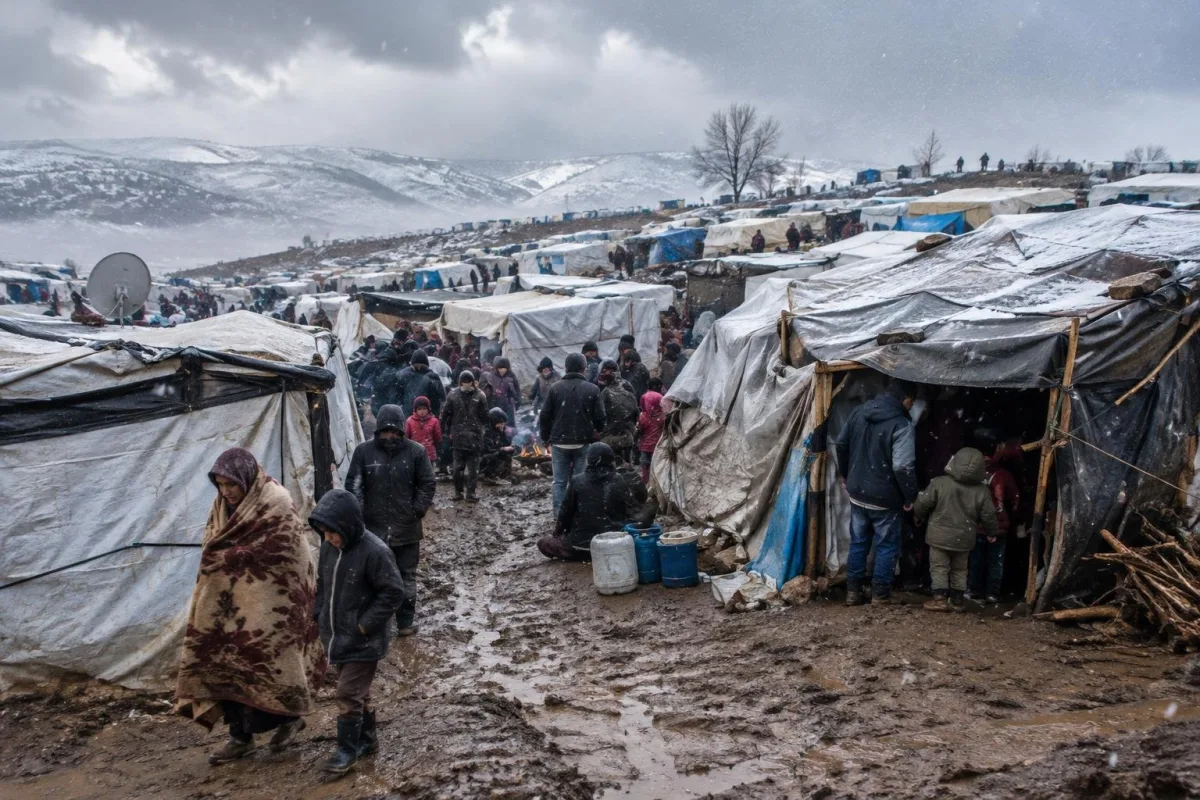
BANGLADESH, Nov 20: The International Court of Justice (ICJ) has ruled that Myanmar is responsible for committing genocide against the Rohingya minority during military operations in 2017. This landmark decision marks a historic first in the court’s 80-year history, establishing the state’s accountability for genocide.
During the military crackdown, over 10,000 Rohingyas were killed, and hundreds of thousands were forced to flee to Bangladesh, creating one of the largest refugee crises in the world. The court’s decision, made by a narrow margin of nine votes to six, echoes longstanding calls for justice from the Rohingya community and advocates worldwide.
ICJ President Yuji Iwasawa outlined evidence gathered since The Gambia, representing Muslim-majority nations, brought the case in 2019. The court identified acts of mass murder, rape, and the destruction of villages, noting that Myanmar’s military did not discriminate between militants and civilians.
“The only reasonable inference that can explain Myanmar’s actions is an intention to destroy,” said Iwasawa during the ruling.
The ICJ’s judgement indicates it will have significant implications for other ongoing genocide cases, including one involving Israel’s actions in Gaza, as stated by British barrister Philippe Sands, part of The Gambia’s legal team.
In the aftermath of the ruling, Rohingya refugees in Cox’s Bazar celebrated the decision. Umme Ruman expressed her joy, saying, “I celebrated with tears of joy because, for the first time, the world acknowledged what happened to us.” Many gathered in camps to connect through social media and news broadcasts, with some refugees expressing a glimmer of hope to return home.
However, while the verdict brought emotional relief, it did not change the dire living conditions for many who remain in Bangladesh. Rain from Cyclone Akvan has compounded the difficulties faced by the refugees. Activists have stated that the ruling must lead to accountability and a safe return for the Rohingya to Myanmar, though the prospects appear bleak as the Myanmar government, under military leadership, has historically denied the allegations and continues to dismiss the Rohingya identity.
The court instructed Myanmar to facilitate safe and voluntary returns for the Rohingya and required reparations for lost property. Yet, enforcing these directives remains uncertain, given the current political regime in Myanmar.
UN human rights chief Volker Türk referred to the ruling as “historic,” acknowledging its significance in addressing decades of discrimination against the Rohingya. The ruling provides a crucial recognition of the suffering endured by the Rohingya people and could influence future international legal standards related to genocide.