

U.S. Loses Measles Elimination Status Amid Rising Cases
The U.S. has lost its measles elimination status as cases spike due to declining vaccine rates.

WASHINGTON, Nov 20: Measles cases in the United States have surged dramatically, prompting the Pan American Health Organization (PAHO) to announce that the country has lost its measles elimination status. This designation had been held since 2000.
According to PAHO Director Jarbas Barbosa, the loss of status signifies more than a mere label; it indicates that measles has been circulating for an extended period, exposing families to preventable illnesses and increasing hospitalization risks. By mid-November, over 5,400 measles cases had been reported in 2026, a significant rise from previous years—2,289 cases in 2025 and just 285 in 2024.
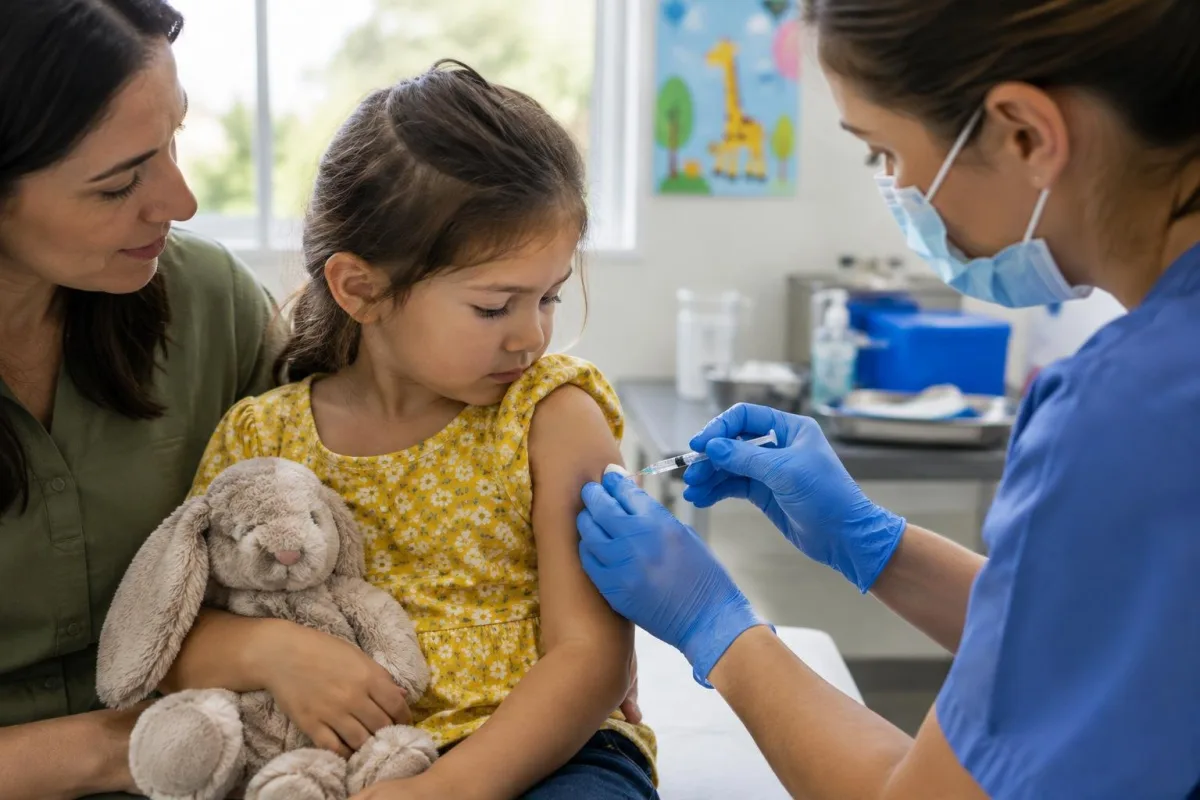
The increase in cases is primarily attributed to declining vaccination rates. The Centers for Disease Control and Prevention (CDC) reports that only 92.4% of kindergarteners completed the required two-dose measles, mumps, and rubella (MMR) vaccine series during the 2025-2026 school year, far below the 95% needed for herd immunity.
Dr. Alvaro Galvis, an expert in pediatric infectious disease, expressed concern about the current state of measles in the U.S., noting that the country is vulnerable to severe outbreaks. “It’s kind of like we’re sitting ducks for a major outbreak,” he said.
Measles is highly contagious, with one infected individual able to spread the virus to 12 to 15 others. Symptoms can start 7-14 days post-exposure, beginning with fever and cough, followed by a characteristic rash. Serious complications from measles can include pneumonia and encephalitis, leading to hospitalization or death.
The CDC has reported that 1 in 5 unvaccinated individuals who contract the virus require hospitalization, and the fatality rate among infected children can be as high as 1 in 1,000. Dr. Galvis emphasized the importance of vaccination to protect not just individuals but also vulnerable populations, including infants and those with weakened immune systems. “People may think they don’t need to get vaccinated, but there are some individuals that are more susceptible to illness,” he noted.
Dr. Barbosa urged for intensified vaccination efforts across the Americas to halt the transmission of measles and close immunity gaps. PAHO has reported over 58,000 confirmed measles cases regionally, with significant disparities in vaccination coverage.
As of now, the U.S. must work diligently to increase vaccination rates to restore its measles elimination status. Nations like Canada have successfully interrupted transmission and are aiming to regain similar standings.
Health officials recommend that families ensure vaccinations are up to date, emphasizing that vaccination is the most effective way to protect against measles and its serious complications.