

ICJ to Rule Thursday on Genocide Case Against Myanmar for Rohingya Persecution
The International Court of Justice is preparing to rule on whether Myanmar committed genocide against the Rohingya, impacting international legal precedents.

THE HAGUE, Nov 19: The International Court of Justice (ICJ) will issue a ruling regarding Myanmar’s actions against the Rohingya Muslim minority on Thursday. The decision will determine if Myanmar committed genocide during a violent crackdown in 2017.
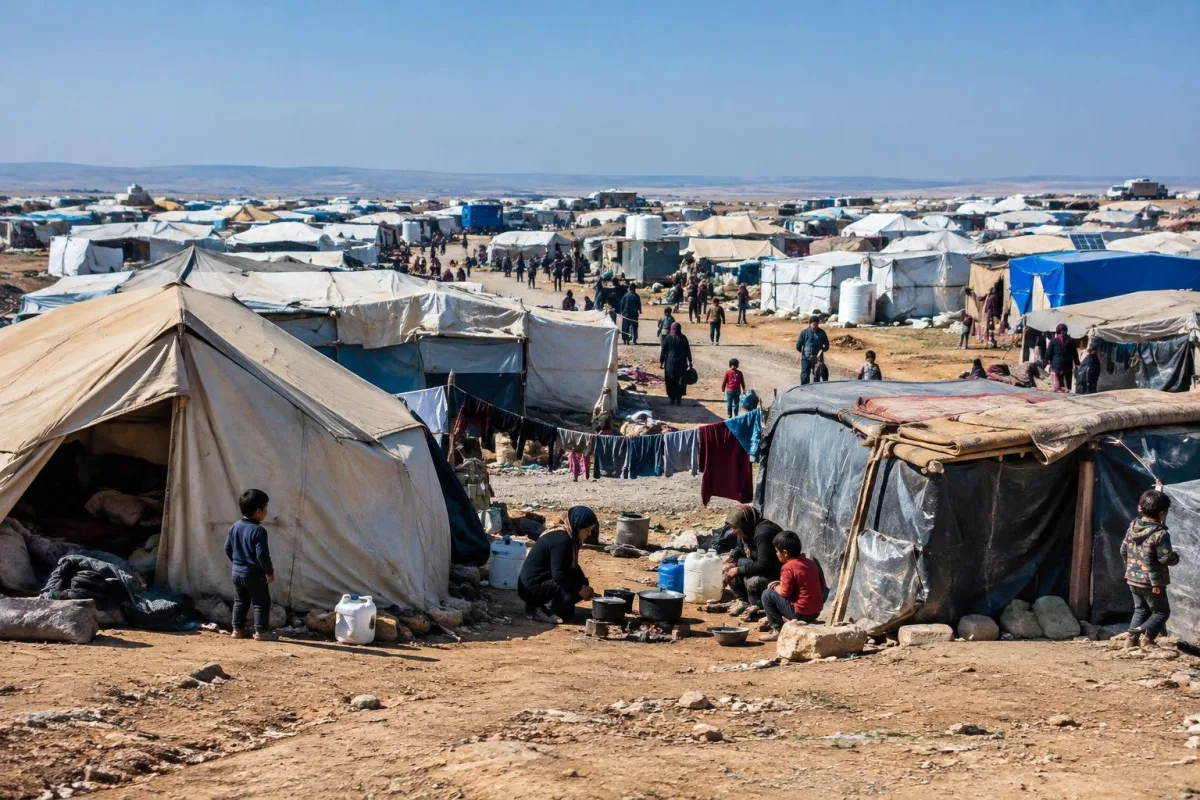
The Gambia initiated the case, alleging Myanmar attempted to destroy the Rohingya people, causing hundreds of thousands to flee to Bangladesh. Reports estimate that around 10,000 Rohingya were killed, with numerous instances of sexual violence documented, according to UN investigators.
The ruling’s legal implications extend beyond Myanmar and may influence ongoing legal proceedings regarding Israel’s actions in Gaza. Legal experts note that proving genocidal intent is critical, as the court must establish that acts were committed with the objective to destroy a specific group.
Myanmar’s military claims its operations were counterterrorism measures in response to attacks by the Arakan Rohingya Salvation Army. However, survivors’ advocates argue that the military’s actions demonstrate an intent to eliminate the Rohingya.
In a prior ruling, the ICJ ordered Myanmar to take emergency measures to prevent further acts of genocide and suggested the court could pressure Myanmar to allow safe returns and compensation for displaced Rohingya. Michael Becker, a law professor, stated that even with a genocide finding, actual relief might be limited by the political situation in Myanmar.
Responses to the case have varied. Khin Maung, president of the United Council of Rohingya, expressed optimism, saying, “The Court has been addressing the right issues and acknowledging what we have been suffering for such a long time.”
The Gambia has pursued this case on behalf of the Organisation of Islamic Cooperation since 2019, arguing that Myanmar’s actions violate the 1948 Genocide Convention. However, some experts warn that a ruling might disappoint if it fails to produce effective remedies for the Rohingya.
A ruling against Myanmar could set a significant precedent for future international court cases, particularly in clarifying how intentions behind acts of violence are assessed. The implications of the ruling are being monitored by various states, including the United States, which has indicated potential sanctions on ICJ judges if the ruling is unfavorable to Myanmar.