

ED Raids Multiple Premises Linked to Anil Ambani, Investigating 50 Companies Under PMLA
New Delhi/Mumbai, July 24 – The Enforcement Directorate (ED) has conducted raids at several locations linked to businessman Anil Ambani. On Thursday, teams from the central investigative agency reportedly carried out searches at multiple premises connected to him. While no official statement has been issued yet, the ED’s action has been taken under the Prevention of Money Laundering Act (PMLA).
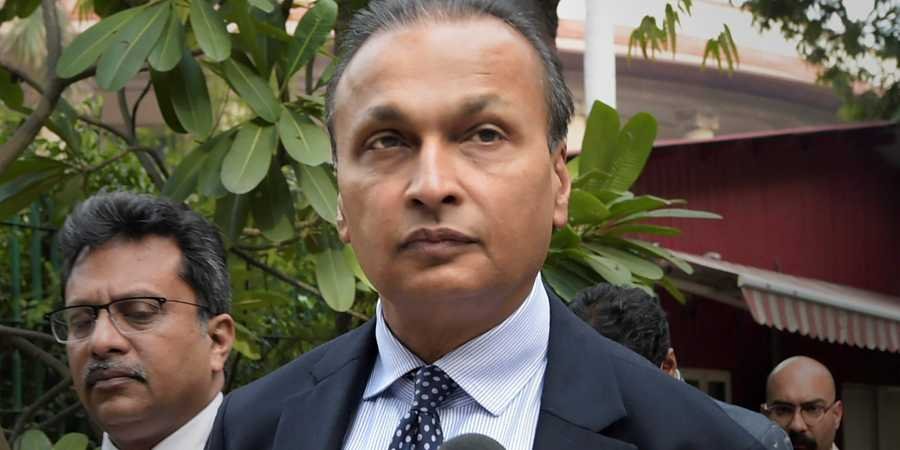

According to reports, the ED has also searched offices of senior officials associated with the Reliance Anil Ambani Group. The raids are part of an ongoing investigation under PMLA involving around 35 locations and 50 companies. More than 25 individuals are also said to be under the agency’s scanner. However, sources indicate that Anil Ambani’s personal residence was not among the sites searched.
Teams from the ED’s Delhi and Mumbai branches visited the offices of companies linked to his group as part of the probe.
SBI’s ‘Fraud’ Label Preceded ED Action
The ED’s action comes shortly after the State Bank of India (SBI) declared Reliance Communications and its promoter Anil Ambani as ‘fraudulent’. This development appears to have intensified the scrutiny on the business group.
Raids Linked to Alleged Loan Scam Over ₹3,000 Crore
The ED has reportedly launched the raids in connection with a loan fraud case involving more than ₹3,000 crore related to companies under the Anil Ambani group and Yes Bank. The operation is based on two FIRs filed by the Central Bureau of Investigation (CBI) and inputs received from financial institutions such as the National Housing Bank, SEBI, NFRA, and Bank of Baroda.
According to India Today, the ED claims to have found evidence of misappropriation of public funds. The investigation has also revealed that banks, shareholders, and investors were misled during the alleged transactions.

Bhupendra Singh Chundawat is a seasoned technology journalist with over 22 years of experience in the media industry. He specializes in covering the global technology landscape, with a deep focus on manufacturing trends and the geopolitical impact on tech companies. Currently serving as the Editor at Udaipur Kiran, his insights are shaped by decades of hands-on reporting and editorial leadership in the fast-evolving world of technology.