Dubai Goes Paperless: Blockchain Streamlines Customs for Faster Trade
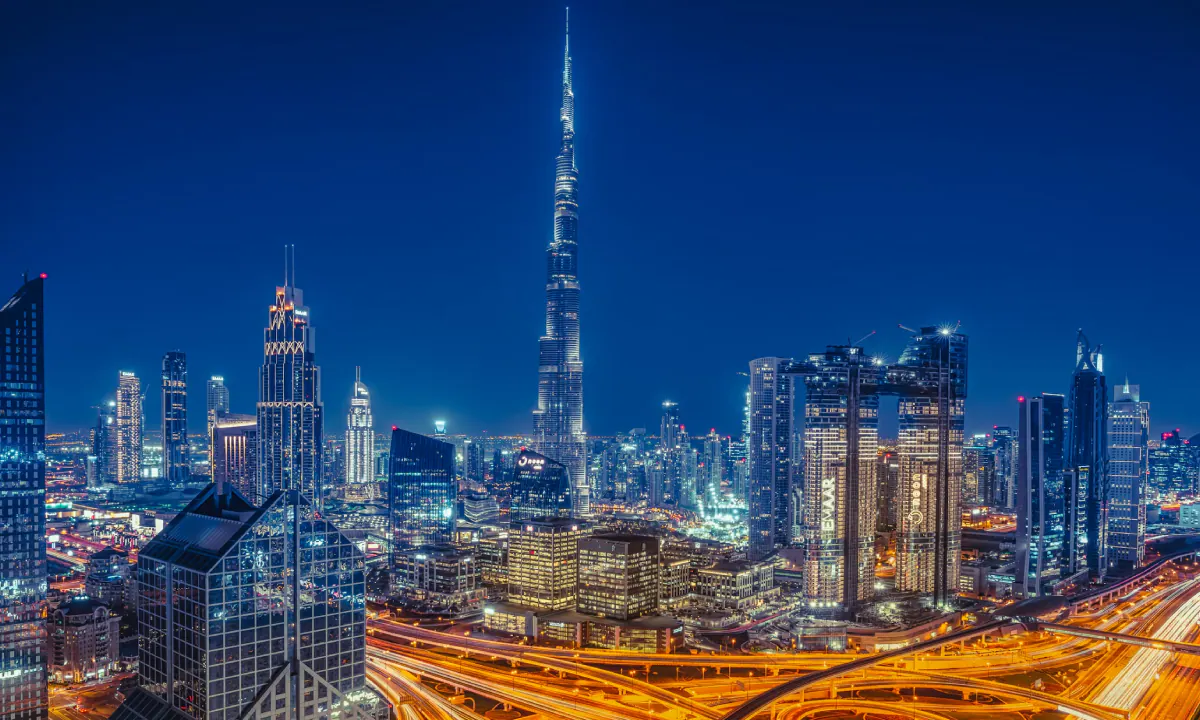

Dubai Customs has launched a new blockchain platform to streamline business operations in the region, which is increasingly seen as a tech-friendly market. To address some of the obstacles in Dubai’s corporate sector, Customs is considering using blockchain technology to increase transparency and facilitate the process of sharing data in a tamper-proof manner. The blockchain platform was unveiled on Monday and aims to enable secure, efficient and cost-effective planning and technology-based logistics plans.
Sultan Ahmed bin Salim, chairman of Dubai Free Zones and Customs, said the upcoming blockchain platform is a “quantum leap forward” in improving Dubai’s trade and business operations.
Salim said in a statement: “We believe that the implementation of advanced technologies such as blockchain will help improve the business environment and strengthen Dubai’s position as a leading hub for global businesses.”
Blockchain technology, also known as distributed ledger technology, stores data across multiple nodes. This prevents data from being concentrated on a single server like traditional servers. This makes it harder for malicious hackers to break into your network. Additionally, data stored on blockchain networks leaves a permanent footprint and brings transparency to your business.
Dubai authorities are also exploring the use of other blockchain functions, such as real-time product tracking and fraud prevention.
However, this is not the first time Dubai has considered using blockchain technology. In May, the company announced a strategy to grow the region into one of Metaphor’s top 10 tech economies.
Dubai used the Solana Foundation back in October 2023 to provide blockchain infrastructure to a free economic zone called the Dubai Multi-Commodity Center (DMCC), so that companies operating from there could support the zone’s expansion.

Bhupendra Singh Chundawat is a seasoned technology journalist with over 22 years of experience in the media industry. He specializes in covering the global technology landscape, with a deep focus on manufacturing trends and the geopolitical impact on tech companies. Currently serving as the Editor at Udaipur Kiran, his insights are shaped by decades of hands-on reporting and editorial leadership in the fast-evolving world of technology.