

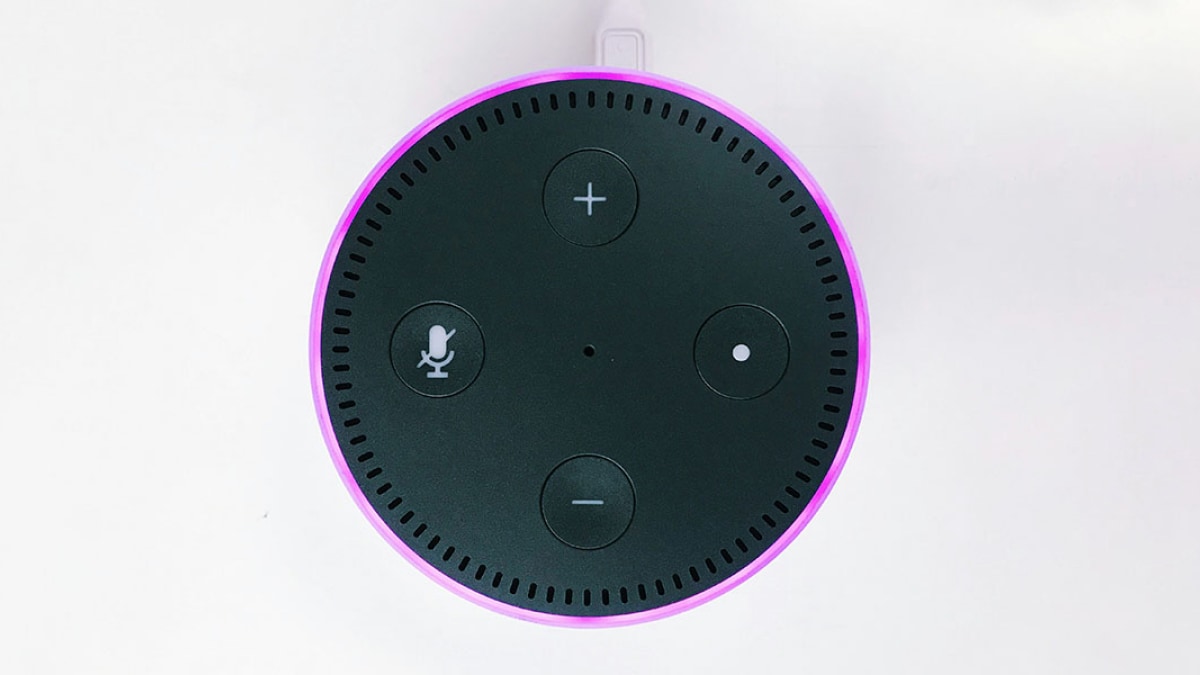

As technology connects people globally, loneliness remains pervasive, particularly among older adults. Now, researchers are exploring whether digital voice assistants, such as Amazon’s Alexa, could be effective in combating loneliness and easing social isolation among the elderly.
Potential in Tackling Isolation
Elena Castro, Health Psychology and Technology Researcher at Universitat Oberta de Catalunya, is among those examining the role of voice assistants in addressing loneliness. “Our study suggests that voice assistants might offer significant value in supporting older adults by addressing isolation — a problem with clear physical and psychological impacts,” said Castro. However, she noted that current devices have limitations, especially when it comes to fostering emotionally responsive, adaptive conversations.
Castro emphasized the need to carefully consider privacy and ethical issues, noting that while these devices could provide meaningful support, they also pose data security risks.
Loneliness: A Public Health Issue
The World Health Organization (WHO) estimates that loneliness affects up to one-third of adults in the Americas, Europe, and China, and links it to various health risks, including increased chances of cardiovascular disease and depression. Traditional methods of addressing loneliness, such as in-person social skills training, may not be practical for those who are socially or geographically isolated. AI-based tools like voice assistants could offer a valuable alternative for people unable or unwilling to pursue in-person interactions.
Exploring Voice Assistants’ Impact
Voice assistants such as Alexa and Google Assistant are becoming commonplace in households and could play an essential role in supporting the mental well-being of older adults. Castro’s research team reviewed 13 studies on the impact of voice assistants on loneliness, and 85% of the studies showed promising results in reducing loneliness among users. “Due to the studies’ limited number and diverse methods, we must interpret results carefully,” cautioned Castro, noting that further research is essential.
Balancing Assistance with Privacy
Privacy concerns are particularly significant with voice assistants, which continuously listen to users, potentially exposing them to unwanted data collection. Castro pointed out, “Protecting privacy and educating users on data handling are critical to building trust.” Experts also warn against the overuse of these devices, which could inadvertently replace direct social interaction rather than complement it.
Future Role in Elderly Care
Looking ahead, Castro envisions voice assistants as integral to elderly care, with potential to support a range of daily activities — from medication reminders to social engagement and even facilitating remote family connections. With further development, voice assistants could become part of public health strategies aimed at mitigating loneliness, addressing one of the pressing issues faced by aging populations globally.
By leveraging this technology with robust privacy safeguards, voice assistants might soon transition from being simple convenience devices to essential tools in fostering well-being and connection for older adults facing isolation.

Bhupendra Singh Chundawat is a seasoned technology journalist with over 22 years of experience in the media industry. He specializes in covering the global technology landscape, with a deep focus on manufacturing trends and the geopolitical impact on tech companies. Currently serving as the Editor at Udaipur Kiran, his insights are shaped by decades of hands-on reporting and editorial leadership in the fast-evolving world of technology.