

New Delhi, October 7 (Udaipur Kiran): The Reserve Bank of India (RBI) has increased the repo rate by 25 basis points in its latest Monetary Policy Committee (MPC) meeting. With the latest hike, the repo rate has increased from 5.25% to 5.50%.
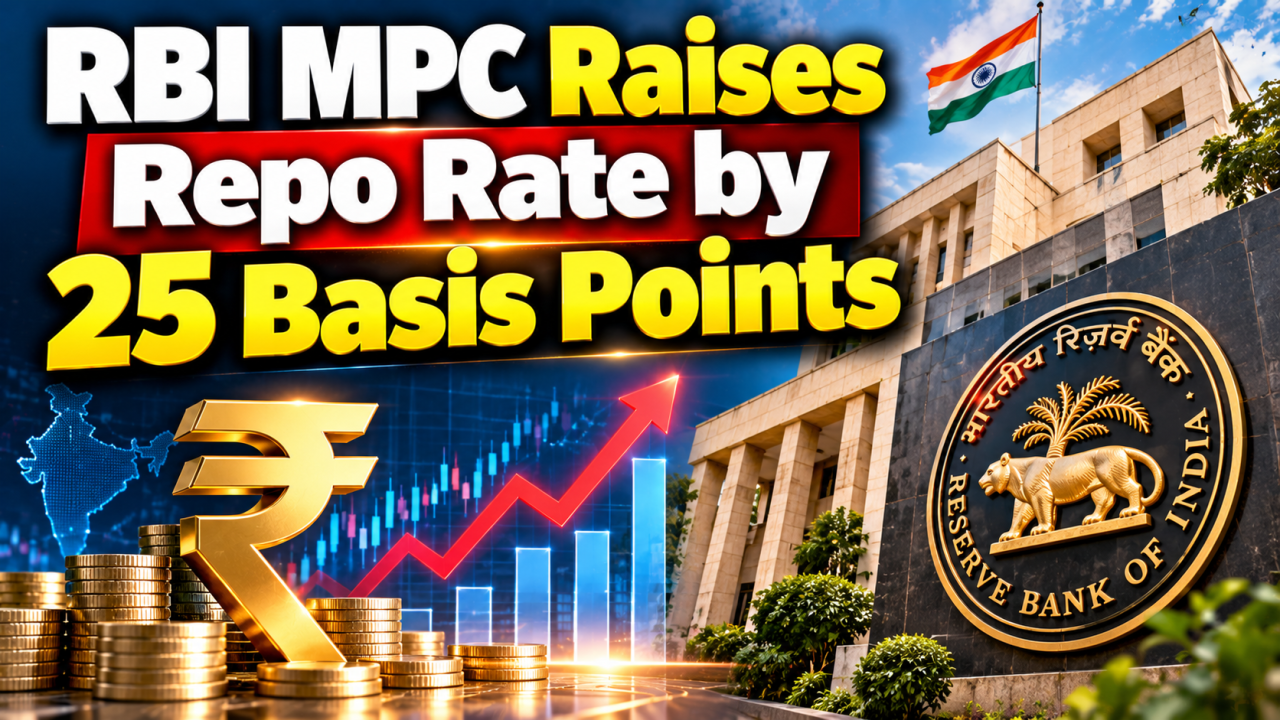

The rate hike means borrowing costs could increase in the coming days, while borrowers may also see an increase in their loan EMIs.
What Are Repo Rate and Reverse Repo Rate?
The repo rate is the interest rate at which the RBI lends money to banks. Banks use this rate as a key basis when determining lending rates for customers.
The reverse repo rate is the rate at which the RBI pays interest to banks on funds deposited with it.
When the RBI increases the repo rate, borrowing costs for banks can rise. Banks may pass on the higher cost to customers by increasing lending rates, which can make loans more expensive and increase EMIs.
Why Does the RBI Increase the Repo Rate?
The RBI uses the repo rate as one of its tools to control inflation. When retail inflation rises rapidly, the central bank can increase the repo rate to make borrowing more expensive.
Higher lending costs can reduce demand in the economy, helping control inflationary pressures.

Bhupendra Singh Chundawat is a seasoned technology journalist with over 22 years of experience in the media industry. He specializes in covering the global technology landscape, with a deep focus on manufacturing trends and the geopolitical impact on tech companies. Currently serving as the Editor at Udaipur Kiran, his insights are shaped by decades of hands-on reporting and editorial leadership in the fast-evolving world of technology.