

Best Smartphones to buy under Rs 25,000 in July 2024: Nothing Phone 2a, OnePlus Nord CE 4 and more

Currently, the sub-Rs 25,000 price segment is the hot topic of discussion in the Indian mobile space with companies launching new devices in this segment almost every week. New versions and many options can confuse end users. To solve this problem, we have compiled a list of the best smartphones you can buy for under Rs 25,000 in July.
Best Smartphones to Buy Under Rs 25,000 in July 2024:
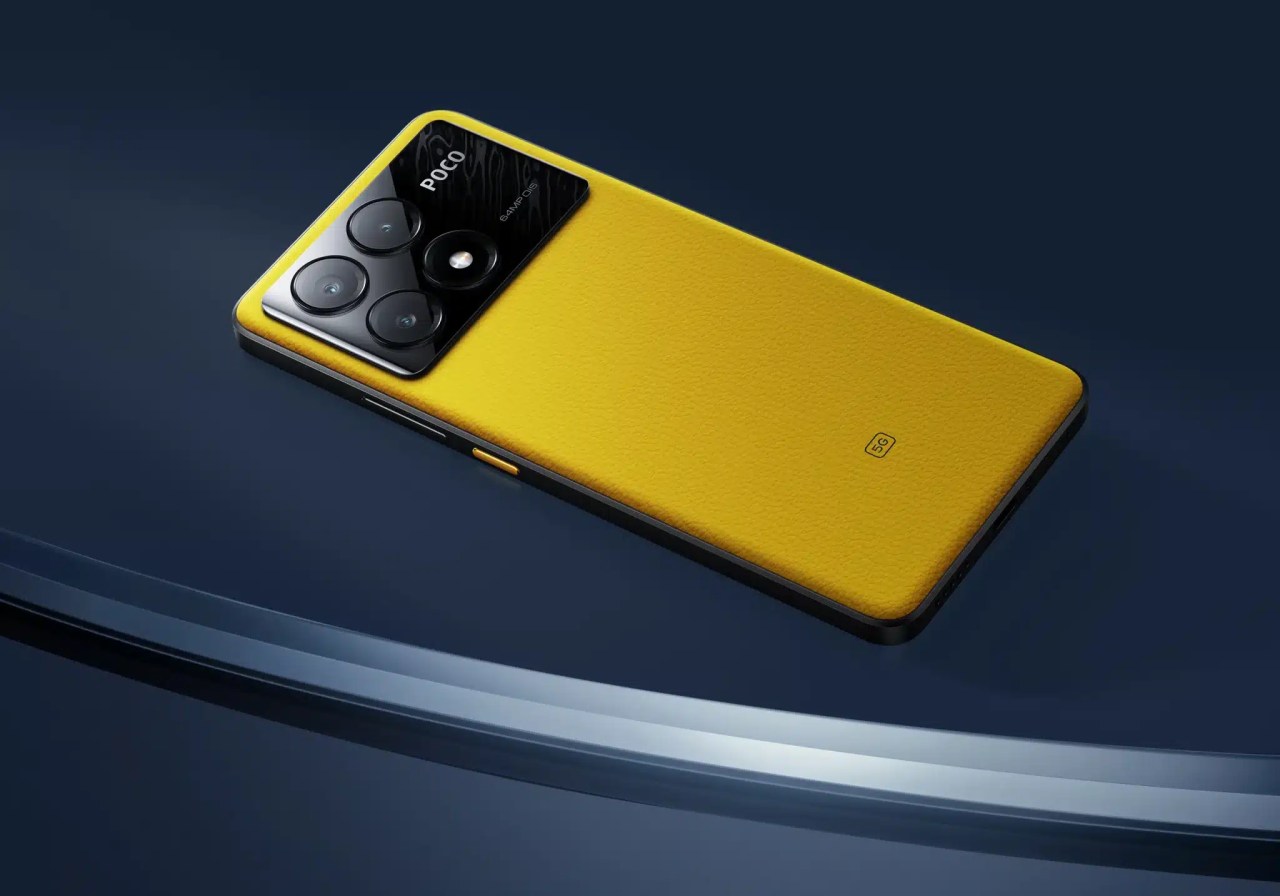
Poco X6 Pro
The Poco X6 Pro features a 6.67-inch AMOLED display with a refresh rate of 120 Hz and a maximum brightness of 1800 nits. The smartphone is powered by a MediaTek Dimensity 8300 Ultra SoC coupled with a Mali-G615 GPU for all graphics-intensive tasks.
Optically, the X6 Pro has a 64-megapixel main camera with optical image stabilization (OIS), an 8-megapixel ultra-wide-angle lens and a 2-megapixel macro lens. Additionally, there is a 16-megapixel sensor on the front to meet all your selfie and video needs.
The phone has a 5000mAh battery that can be charged quickly with a 67W charger. Both phones run on the latest Android 14 based on Xiaomi’s HyperOS and feature IP54 protection, an under-display fingerprint sensor and an IR blaster.
No telephone (2a)
The 8GB RAM/128GB storage variant is priced at Rs 23,999. Nothing Phone (2a) features an AMOLED panel with a resolution of 1080 x 2412 (FHD+), a refresh rate of 120-30 Hz, a touch sampling rate of 240 Hz and a color depth of 10 bits. Its brightness reaches 1300 nits, maintains the natural brightness of 700 nits and reaches 1100 nits in sunlight.
The phone (2a) features a dual stereo speaker setup and two HD microphones. The Glyph interface features three LED strips with 24 addressable zones. As for optics, it has a 50MP + 50MP camera. A 32-megapixel sensor is used on the front of the smartphone, which meets selfie and video calling requirements.
Powered by the MediaTek Dimensity 7200 Pro chipset specifically designed for the Nothing Phone (2a), the Nothing Phone (2a) offers up to 12GB of RAM and 256GB of internal storage. It runs on NothingOS 2.5 based on Android 14 for a smooth user experience.
Realme 12 Pro
The Realme 12 Pro is currently priced at ₹22,999 for the 8GB RAM and 128GB storage variant. It is powered by a Qualcomm Snapdragon 6 Gen 1 chipset based on 4nm architecture and is reported to score over 5,90,000 in the AnTuTu benchmark.
The smartphone features a 6.7-inch FHD+ curved OLED display with a resolution of 2412 x 1080 pixels. It supports 240Hz touch sampling rate, 2160Hz PWM damping and 120Hz refresh rate.
The highlight of the Realme 12 Pro is its triple camera setup, which includes a telephoto lens and an ultra-wide-angle lens. The main sensor is equipped with a 50-megapixel Sony IMX-882 lens that supports optical image stabilization (OIS), while the dedicated telephoto lens is equipped with a 32-megapixel Sony IMX-709 lens that supports OIS, 2-4x. . optical zoom and 4x digital zoom. An 8MP f/2.2 lens completes the camera setup.
Realme’s latest mid-range smartphone packs a 5,000mAh battery that can be fully charged in around 28 minutes using the included 67W SUPERVOOC charger. The smartphone runs Android 14 based on Realme UI 5.0.
OnePlus Nord CE 4
Priced at ₹24,999 for the 8GB RAM/128GB storage variant, the OnePlus Nord CE 4 features a 6.7-inch Full HD+ AMOLED display with a resolution of 2412 x 1080 pixels and a refresh rate of up to 120Hz. Supports 210Hz touch screen input. 2160 Hz PWM sampling rate and dimming, HDR 10+ color certification and 10-bit color depth.
The mid-range smartphone is paired with Qualcomm Snapdragon 7 Gen 3 SoC and Adreno 720 GPU for graphically demanding tasks.
In terms of optics, the Nord CE 4 5G has dual rear cameras with a 50MP Sony LYT600 primary sensor that supports optical image stabilization (OIS) and an 8MP Sony IMX355 ultra-wide-angle lens. The smartphone has a 16-megapixel front-facing camera that meets all the requirements for selfies and video calls.

Bhupendra Singh Chundawat is a seasoned technology journalist with over 22 years of experience in the media industry. He specializes in covering the global technology landscape, with a deep focus on manufacturing trends and the geopolitical impact on tech companies. Currently serving as the Editor at Udaipur Kiran, his insights are shaped by decades of hands-on reporting and editorial leadership in the fast-evolving world of technology.


