

Best Smartphones Under ₹20,000 in June 2024: OnePlus Nord CE 3, Realme P1 & More

Best Smartphones : With new cell phones hitting the market every week, choosing the right device for your specific needs can be a daunting task. But don’t worry, we have compiled a list of the best smartphones you can buy under Rs 20,000, including many top brands like Realme, Redmi and OnePlus Nord CE 3. Without further ado, let’s take a look at the five best devices you can buy for under Rs 20,000 in June.

Realme P1 5G:
The Realme P1 5G price starts at Rs 15,999 for the 6GB RAM/128GB storage variant and Rs 18,999 for the 8GB RAM/256GB storage variant. You can choose between two colors, peacock green and phoenix red.
The Realme P1 features a 6.67-inch Full HD+ AMOLED display with a resolution of 2400 x 1080 pixels, a refresh rate of 120 Hz, a touch sampling rate of 240 Hz and a maximum brightness of 2000 nits. This app runs on RealmeUI 5.0 based on Android 14 operating system. Realme also promises three years of OS updates and four years of security patches for this device.
In terms of processor, Realme P1 5G is powered by a MediaTek Dimensity 7050 SoC, which is paired with a Mali-G68 MC4 GPU for all graphics-related tasks. The smartphone comes with up to 8GB of LPDDR4x RAM and 256GB of UFS 3.1 storage. Additionally, the storage space in these devices can be expanded up to 1TB via MicroSD card.
The smartphone has a 50MP Sony LYT600 primary sensor and a 2MP secondary sensor. It also features a 16MP front camera for all your selfie and video calling needs. Internal 5000mAh battery and support for 45W SUPERVOOC fast charging.
iQOO Z9 5G:
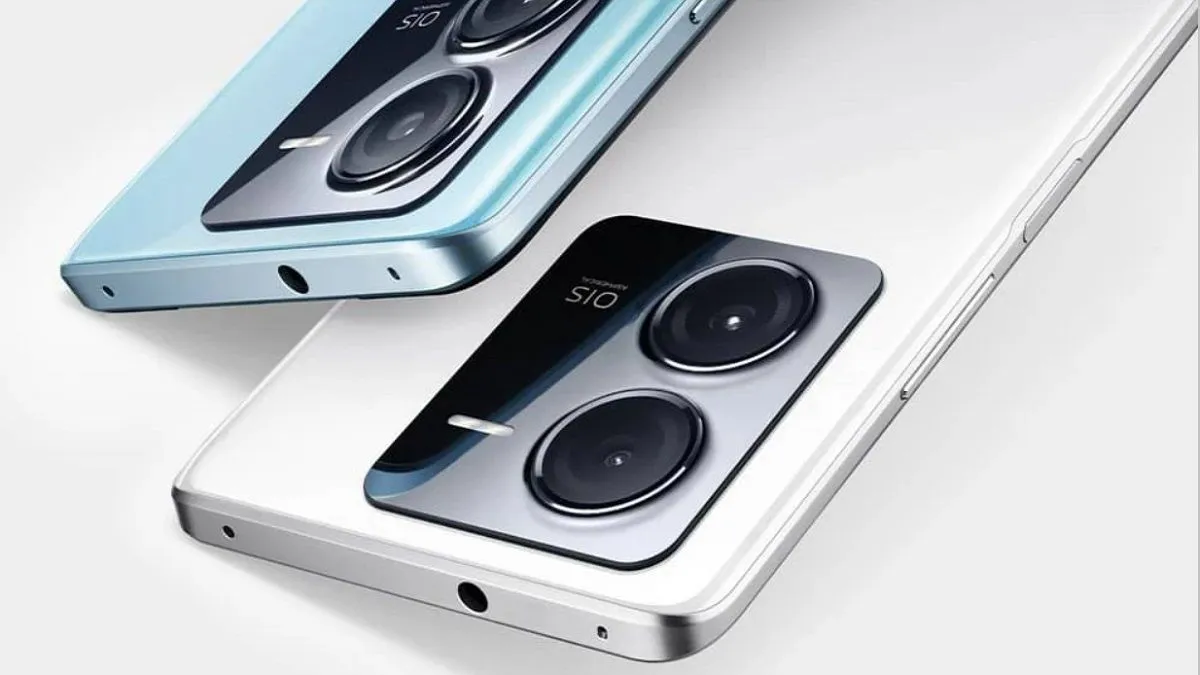
Priced at ₹19,999 for the 8GB RAM/128GB ROM variant, the IQOO Z9 5G features a 6.67-inch Full HD+ AMOLED display with a 120Hz refresh rate and 1800 nits peak brightness. It has an IP54 rating, so it is dust and splash resistant, as well as suitable for exposure to light water.
Equipped with the MediaTek Dimensity 7200 chipset and the Mali-G610 GPU, it provides smooth performance in graphics-intensive tasks. With up to 8GB of LPDDR4x RAM and up to 256GB of UFS 2.2 internal storage expandable up to 1TB via MicroSD, storage limitations are minimal. The camera includes a 50MP Sony IMX882 primary sensor with OIS and EIS, a 2MP depth sensor on the back and a 16MP front-facing camera.
OnePlus Nord CE 3:
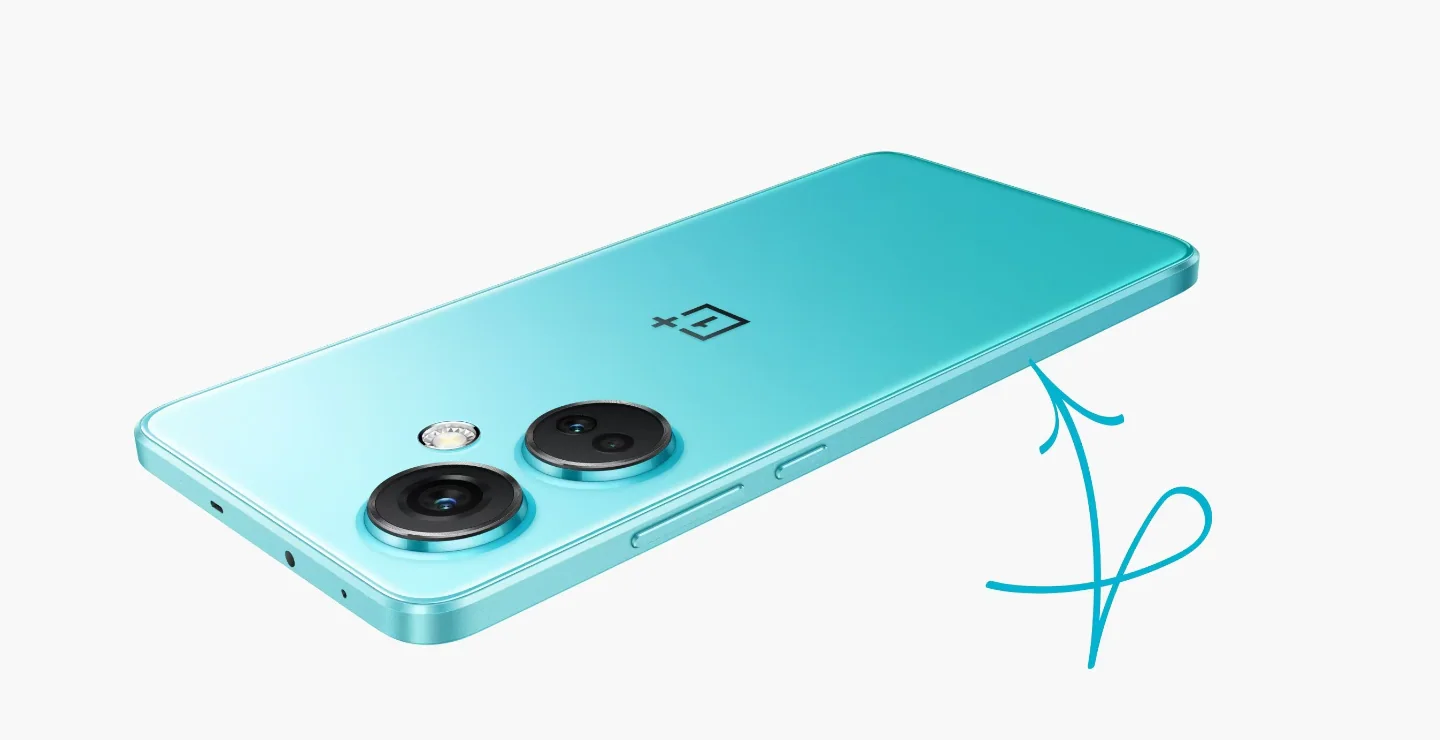
The OnePlus Nord CE 3 is priced at ₹18,999 for the 8GB RAM/128GB storage variant and features a 6.7-inch Fluid AMOLED display with a 20:9 aspect ratio. The display also supports 120 Hz refresh rate and 2160 Hz PWM dimming.
The device is powered by the Snapdragon 782G chipset, which belongs to the mid-range. It offers up to 8GB of RAM and 256GB of internal storage and features the same cooling system as the Nord 3. In terms of camera setup, the Nord 3 and Nord CE 3 share the same configuration. Sony IMX890 sensor with 50 MP resolution and optical image stabilization (OIS).
When it comes to photography, the OnePlus Nord CE 3 has a triple rear camera that includes a 50MP primary camera, an 8MP ultra-wide lens and a 2MP macro sensor. The device is equipped with a 16MP front-facing camera for video calls and selfies.
Redmi Note 13:
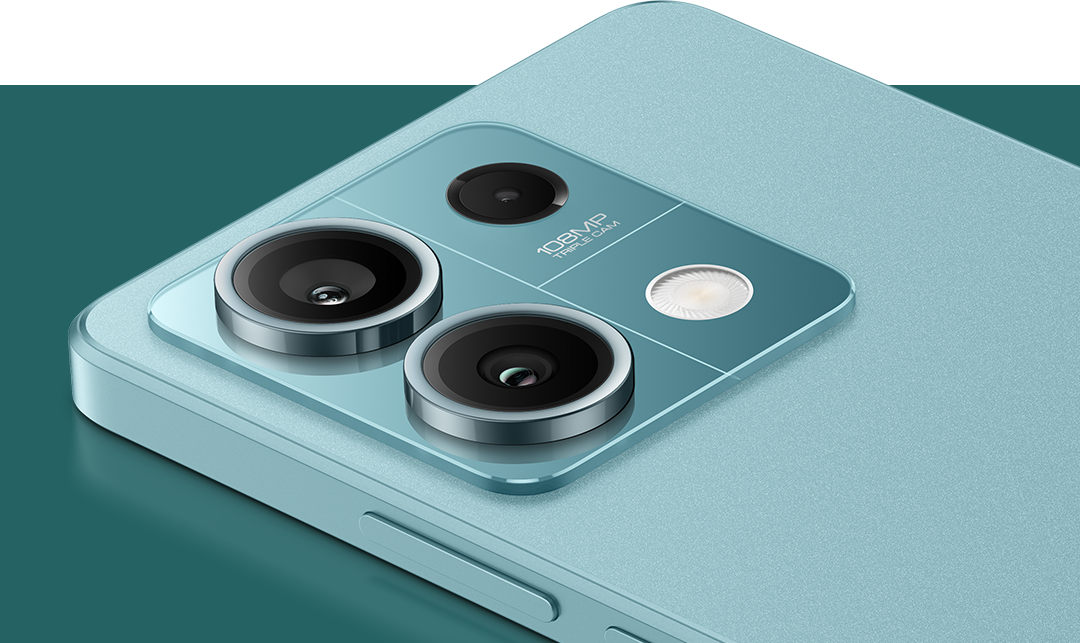
The Redmi Note 13 features a 6.67-inch AMOLED display that supports a refresh rate of 120 Hz and a resolution of 1080 x 2400 pixels. Xiaomi’s mid-range device features Corning Gorilla Glass Victus protection on the front and is IP54 certified for splash and dust resistance.
The Redmi Note 13 5G is powered by a MediaTek Dimensity 6080 chipset paired with a Mali-G57 GPU. In terms of camera, the smartphone has received a significant upgrade over the previous generation and the Redmi Note 13 5G is equipped with a 108-megapixel f/1.7 main sensor and a 2-megapixel depth sensor. For selfies and video calls, the phone has a 16-megapixel selfie camera on the front. The Redmi Note 13 5G is powered by the same 5000mAh battery and supports 33W fast charging.

Vivo T3:
The Vivo T3 5G has a 6.67-inch Full HD+ AMOLED display with a resolution of 2400 x 1080 pixels, a refresh rate of 120 Hz, a touch sampling rate of 360 Hz, HDR 10+ certification and a peak brightness of up to 1800 nits.
The mid-range Vivo is powered by a 4nm MediaTek Dimensity 7200 chipset and is paired with a Mali G610 MC4 GPU for all graphics-intensive tasks. The Vivo T3 comes with 8GB of LPDDR4x RAM and 256GB of UFS 2.2 internal storage, which is expandable up to 1TB via a microSD card slot.

Bhupendra Singh Chundawat is a seasoned technology journalist with over 22 years of experience in the media industry. He specializes in covering the global technology landscape, with a deep focus on manufacturing trends and the geopolitical impact on tech companies. Currently serving as the Editor at Udaipur Kiran, his insights are shaped by decades of hands-on reporting and editorial leadership in the fast-evolving world of technology.