

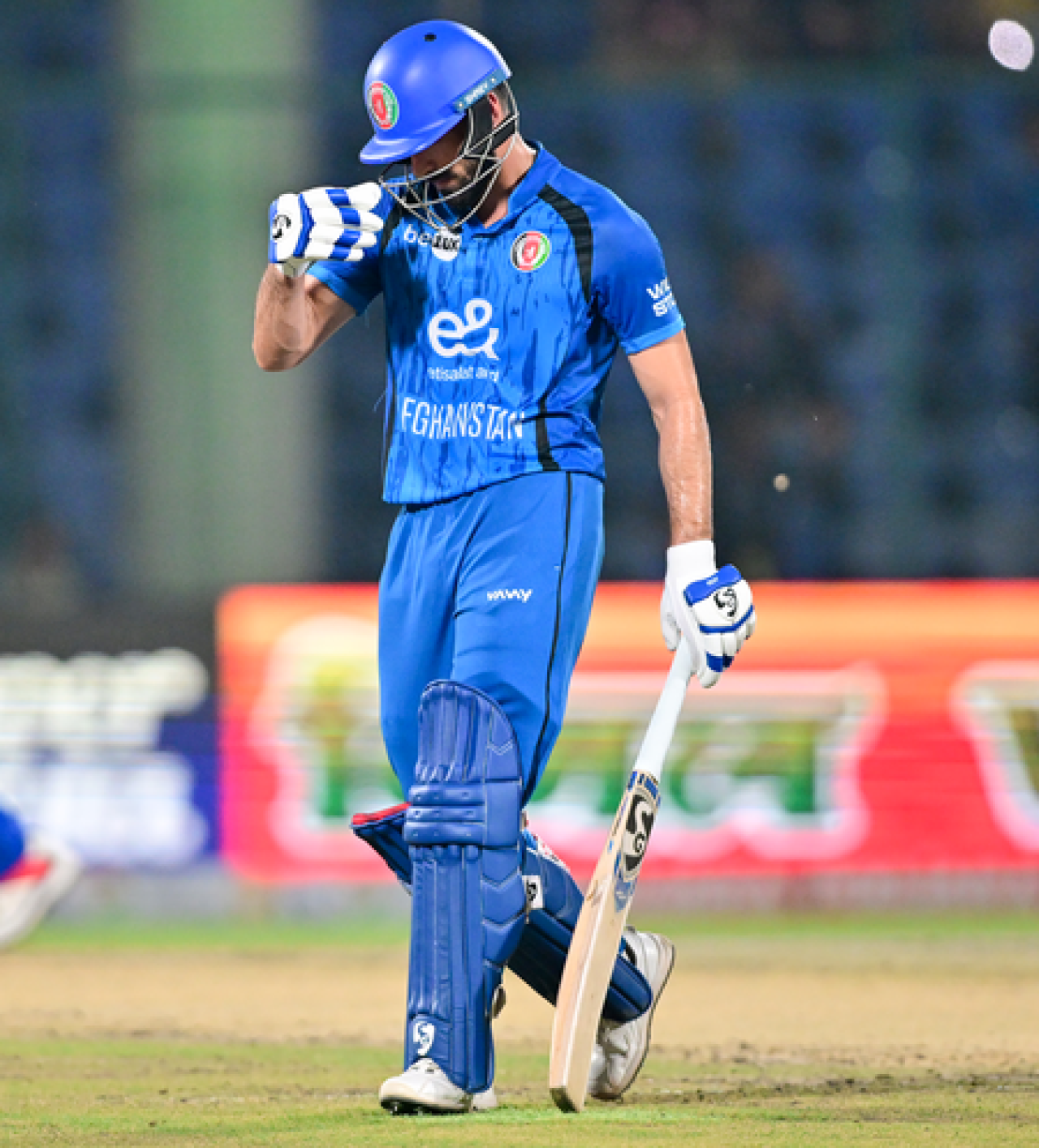

New Delhi, September 16 (Udaipur Kiran) : Afghanistan faced a significant setback in their T20 series against India, suffering a 7-wicket defeat at the Arun Jaitley Stadium in New Delhi on September 15. Following the loss, captain Ibrahim Zadran expressed disappointment over the team’s inability to address batting deficiencies that had already cost them in the first match of the series.
In the second match, Afghanistan struggled during the powerplay, managing to post only 159 runs for 8 wickets, a target that India comfortably chased down in just 14.5 overs. Zadran noted that the team failed to build momentum at the start of their innings, allowing Indian bowlers to dominate during the initial overs.
“We definitely had to struggle again. We did not get what we wanted, but as a group, we have thought about how to improve and maintain that attitude in international cricket, especially against stronger teams,” Zadran said after the match. He acknowledged that their performance in the powerplay was subpar, which hindered their chances of success.
The captain revealed that the team had discussed the need to adopt a more aggressive approach after the first match but failed to implement those strategies effectively during the game. “We wanted to push our score beyond the 150-160 range to reach 200. We need to bring that intent into the team,” he emphasized.
Zadran remains optimistic about future matches, stating, “I am confident that if we want to beat the biggest teams in international cricket, we will improve in this area. However, this is only our second match of the year, and we haven’t played many games.” He believes that with more experience, the team can develop the necessary skills to compete at a higher level.

Bhupendra Singh Chundawat is a seasoned technology journalist with over 22 years of experience in the media industry. He specializes in covering the global technology landscape, with a deep focus on manufacturing trends and the geopolitical impact on tech companies. Currently serving as the Editor at Udaipur Kiran, his insights are shaped by decades of hands-on reporting and editorial leadership in the fast-evolving world of technology.