

World Diabetes Day Emphasizes Urgency of Early Diagnosis and Treatment
World Diabetes Day is being observed today, focusing on the importance of early detection and treatment of diabetes.

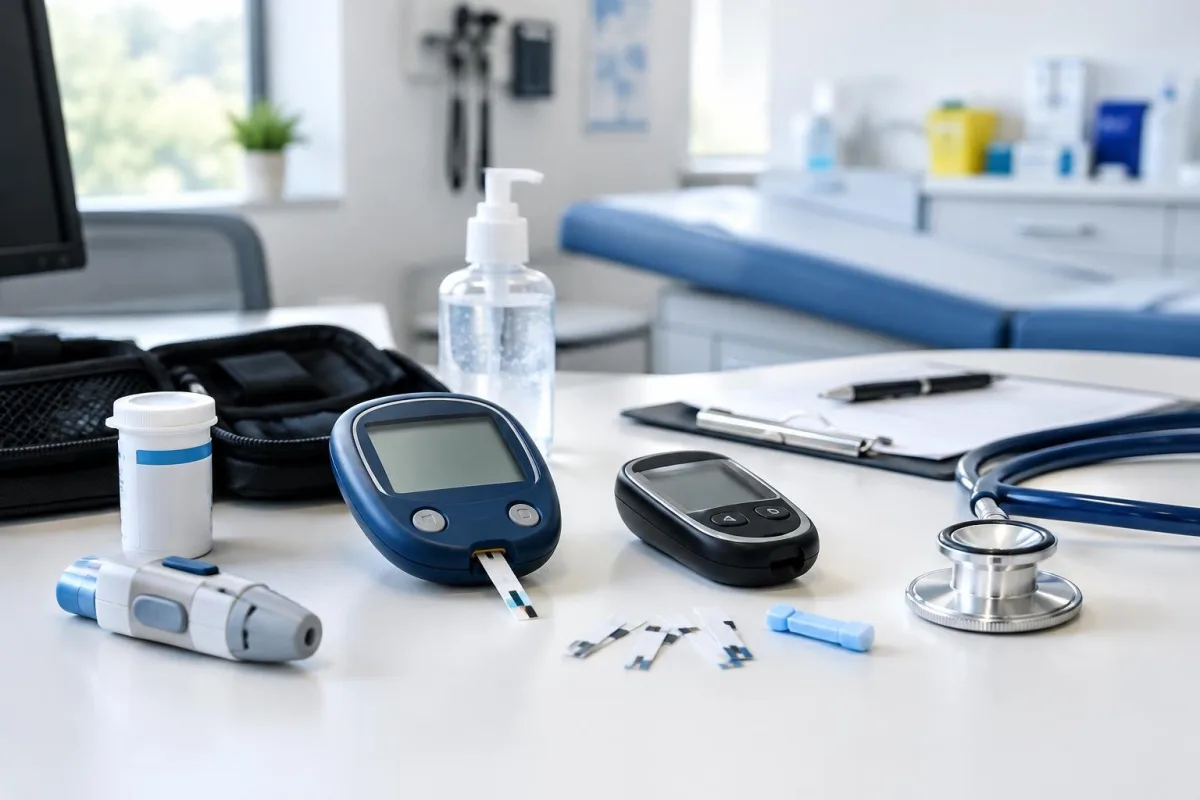
NEW DELHI, Nov 14: World Diabetes Day is being observed today, emphasizing the critical need for early diagnosis and timely intervention for diabetes.
Recent research by the International Diabetes Federation (IDF) reveals alarming statistics regarding diabetes in India. Approximately 38.6 million adults are living with undiagnosed diabetes, which accounts for about 43% of those affected by this condition in the country.
The IDF predicts that globally, the number of people living with diabetes could reach 853 million by 2050, making it one of the most pressing health challenges worldwide.
Many individuals are unaware of their diabetes status, as symptoms often develop silently. Dr. Vikram Vora, Medical Director at International SOS for the Indian Subcontinent, said that Type 2 diabetes can progress without noticeable symptoms, making it essential to screen for raised blood sugar levels before complications arise.
According to the latest figures, nearly 101 million Indian adults have diabetes, and an additional 136 million are classified as prediabetic. This presents a significant public health challenge where many may not realize their blood sugar levels are outside of a healthy range.
Experts note that early detection can lead to effective management strategies. As Dr. Vora stated, “It starts with a single health check, and one proactive step today can make a meaningful difference tomorrow.” Screening methods typically include fasting blood glucose tests, HbA1c assessments, and oral glucose tolerance tests. The Indian Council of Medical Research recommends that adults over 30 be screened regularly, especially if they possess risk factors like obesity or a family history of diabetes.
As diabetes rates climb, awareness initiatives stress the role of lifestyle changes. Regular physical activity, a balanced diet, and weight management can help combat the disease. Employers, too, are encouraged to facilitate healthier workplace environments through regular health screenings and promoting physical fitness.
The IDF study shows that fear of receiving a diabetes diagnosis is a significant barrier to screening, with 35% of respondents expressing this concern. This indicates the need for enhanced education about diabetes to motivate people to undergo testing.