

Rising energy costs, price volatility, and increasing regulatory pressure are forcing businesses to rethink how they source and manage power. Relying solely on traditional grid supply limits cost control and exposes companies to long-term risks. This is why Commercial and Industrial (C&I) renewable energy is becoming essential for modern businesses.

For years, electricity was treated as a fixed overhead with little scope for optimization. That approach is now changing. Businesses are beginning to view energy as a controllable resource that can improve cost efficiency, support compliance, and strengthen long-term operational stability.
The Economic Drivers of Clean Energy
Financial considerations are a key reason why large enterprises are shifting towards sustainable power. Fluctuating fossil fuel prices make it difficult to plan and manage energy costs, creating uncertainty for energy-intensive industries such as manufacturing, textiles, and data centers.
Cost Control and Predictability
By adopting C&I renewable energy, businesses can gain better control over power costs. Through long-term Power Purchase Agreements (PPAs) or on-site solar installations, companies can lock in electricity rates for 15 to 25 years. This level of cost predictability is difficult to achieve with conventional grid supply, where tariffs may vary due to fuel costs and regulatory changes.
Declining Technology Costs
The hardware required for renewable energy generation has become more affordable over time. The cost of solar photovoltaic modules and wind components has declined significantly, making the levelized cost of energy (LCOE) from renewables competitive with, and often lower than, coal or gas-based power. Companies like Hero Future Energies support this transition by enabling the development and scaling of renewable projects across diverse industrial sectors.
Adapting to Strict Regulatory Environments
Government policies are no longer limited to encouraging clean energy. In many regions, they are making it mandatory. Regulatory frameworks now require the private sector to contribute directly to national decarbonization targets through defined compliance measures.
Compliance with Renewable Purchase Obligations
Many regions have introduced Renewable Purchase Obligations (RPOs), requiring businesses to source a defined share of their electricity from renewable energy. Failure to meet these targets can result in penalties and compliance risks. By integrating C&I renewable energy in advance, businesses can meet these requirements in a structured and timely manner, rather than reacting under pressure.
International Trade and Carbon Taxes
For companies engaged in global trade, carbon emissions are becoming a cost factor. Trade policies such as carbon border adjustments impose additional charges on goods produced using high-emission energy sources. Shifting to clean power helps protect export margins and maintain access to markets that prioritize low-carbon production.
Strengthening the Supply Chain and Brand Equity
The push towards sustainability is driven not only by regulations but also by partners and clients. Many global organizations have set net-zero targets that extend across their entire value chain. Suppliers that cannot demonstrate sustainable operations may risk losing business opportunities with such organizations.
Maintaining Competitive Advantage
Adopting C&I renewable energy early can provide a clear advantage in competitive bidding. It signals alignment with sustainability goals and strengthens credibility with partners. This level of transparency is increasingly becoming a standard requirement in Request for Proposals (RFPs) across sectors such as automotive, technology, and retail.
Practical Implementation of C&I Solutions
A key reason for the adoption of C&I renewable energy is its flexibility. There is no longer a need for a one-size-fits-all approach. Instead, businesses can choose the specific model that fits their location and energy load.
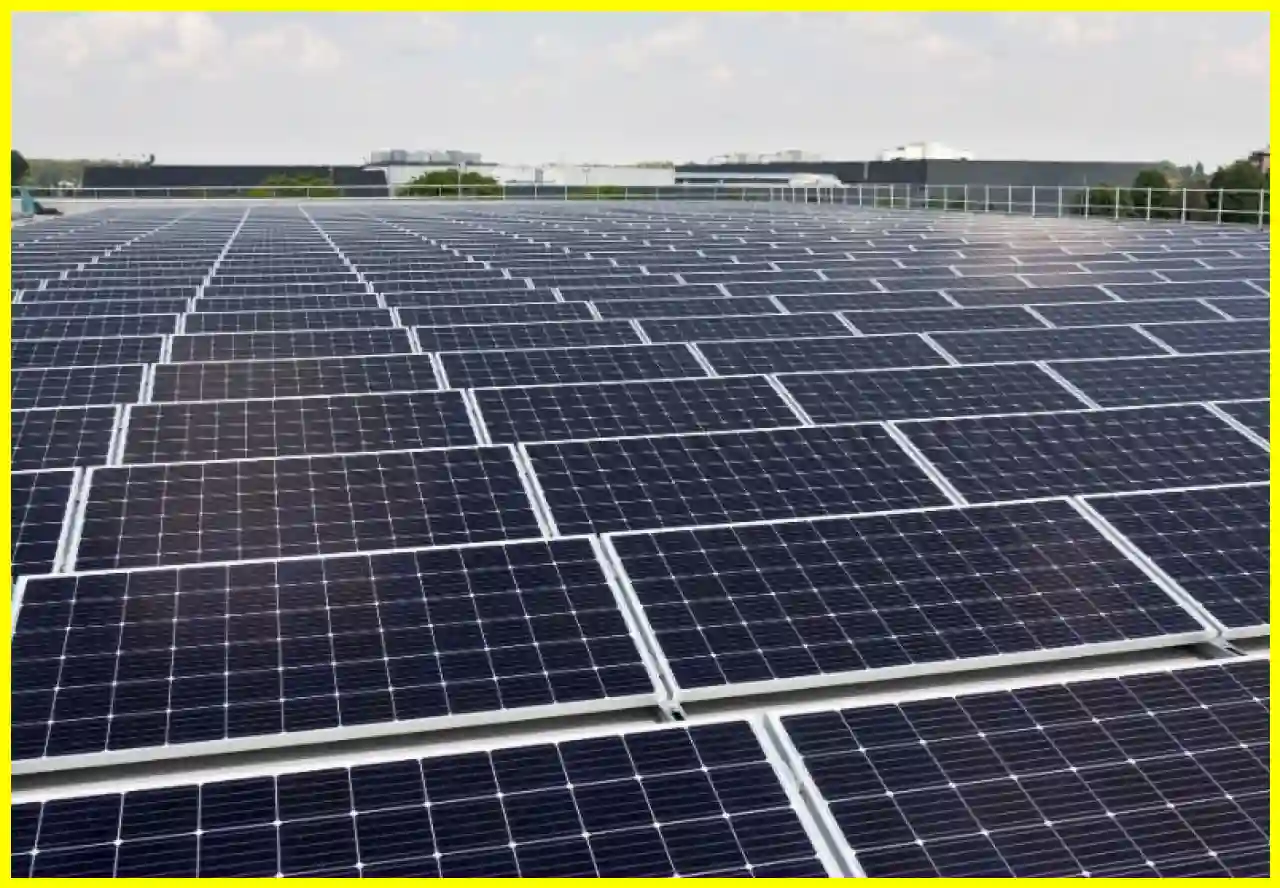
- Rooftop and Ground-Mounted Solar: This is the most common entry point for many businesses. Utilizing unused roof space or vacant land near a factory enables direct generation and an immediate reduction in grid reliance.
- Off-site Open Access: For companies with limited space or extremely high power demands, open access allows them to procure green energy from a remote solar or wind farm. The power is wheeled through the existing grid, providing the benefits of renewables without the need for on-site construction.
- Hybrid and Storage Solutions: To address the intermittent nature of wind and solar, many firms are now looking at hybrid systems. By combining different energy sources with battery storage, a facility can maintain a steady flow of clean power even during non-generation hours.
Conclusion
The shift towards C&I renewable energy is driven by financial planning, regulatory requirements, and evolving market expectations. It reflects a move from passive electricity consumption to active energy management.
Businesses that adopt this approach are better prepared to manage cost pressures and compliance demands. By improving cost efficiency, meeting regulatory standards, and aligning with sustainability expectations, they strengthen their position in a changing global economy.

Bhupendra Singh Chundawat is a seasoned technology journalist with over 22 years of experience in the media industry. He specializes in covering the global technology landscape, with a deep focus on manufacturing trends and the geopolitical impact on tech companies. Currently serving as the Editor at Udaipur Kiran, his insights are shaped by decades of hands-on reporting and editorial leadership in the fast-evolving world of technology.