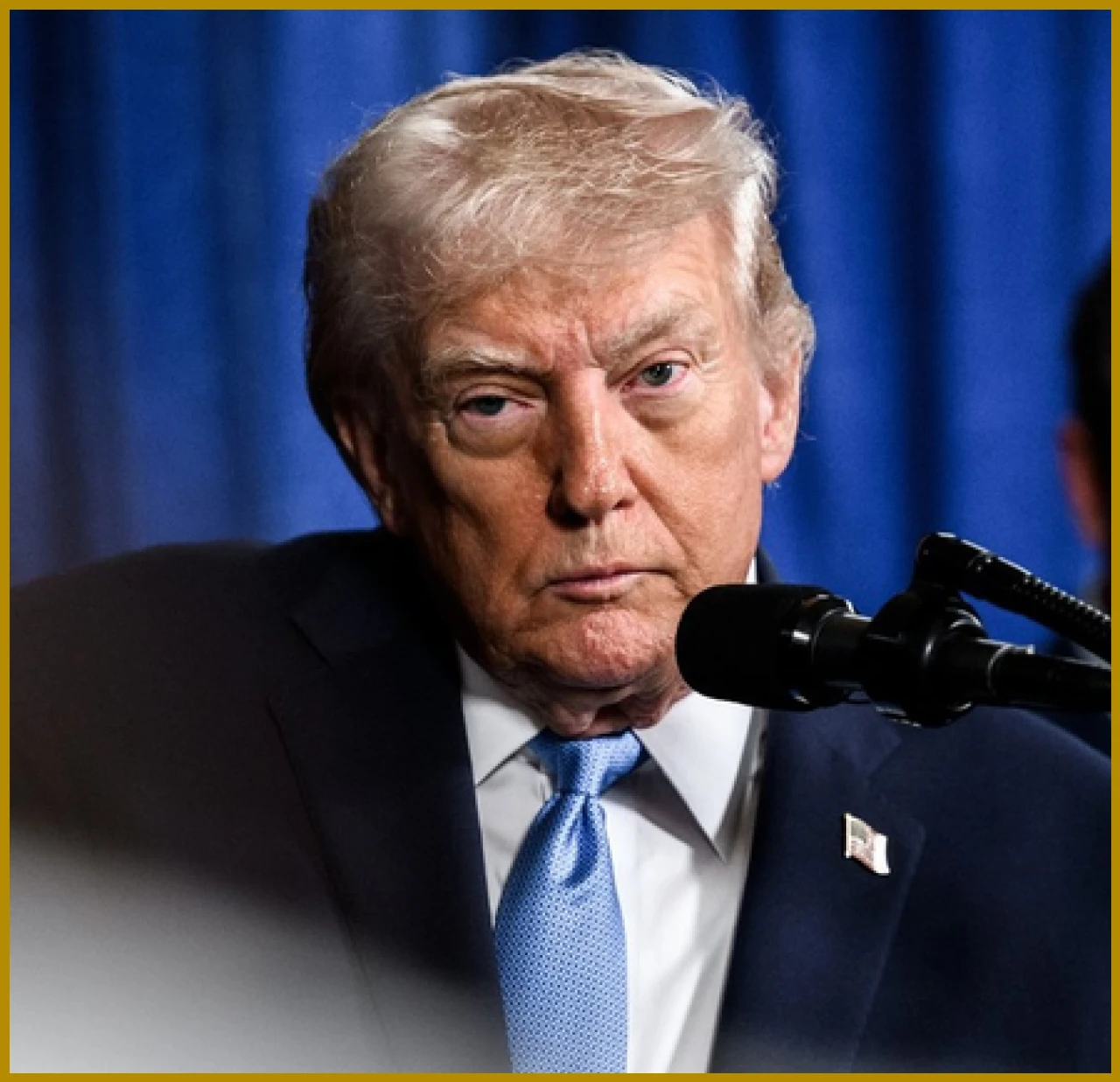


Washington, February 23: President Donald Trump is contemplating military options against Iran as U.S. officials describe ongoing diplomacy as a final effort between the two nations. Meanwhile, Iran’s closest allies, China and Russia, appear reluctant to provide direct military support in any conflict with the U.S.
Reports of Trump considering actions against Iran have been circulating for some time. According to The Wall Street Journal, Iran has been attempting to strengthen military ties with China and Russia for years, but both countries seem hesitant to proceed. This reluctance stems from the U.S. being described by the Journal as facing “the biggest American threat to its existence in decades.”
Last week, Russia and Iran conducted a small-scale naval exercise in the Gulf of Oman. Iranian state media reported plans for an exercise with Chinese vessels in the Strait of Hormuz. However, analysts have indicated to the Journal that if Trump orders an attack on Iran, both China and Russia have shown little interest in providing direct military assistance.
A former Israeli military intelligence officer, Danny Citrinowicz, stated, “They are not going to give up their advantages for the Iranian government. They hope the government will not fall, but they certainly will not confront the U.S. militarily.”
The New York Times reported that Trump has told advisors that if diplomacy or an initial targeted U.S. strike does not lead Iran to abandon its nuclear program, he would consider a significant attack to remove the country’s leaders from power.
A new round of talks between the U.S. and Iran is scheduled to take place in Geneva. While the success of these discussions remains uncertain, Trump is contemplating military options should the negotiations fail.
Targets under consideration include the headquarters of Iran’s Islamic Revolutionary Guard Corps and its nuclear and ballistic missile facilities.
Iran’s Foreign Minister, Abbas Araghchi, emphasized in a television interview that the country is not prepared to relinquish its “right” to produce nuclear fuel under the Nuclear Non-Proliferation Treaty.
Meanwhile, Senator Jeff Merkley warned against unilateral military action, stating, “Any decision to initiate military action without the approval of the U.S. Congress would violate the Constitution, undermine ongoing diplomatic efforts, and put American troops and innocent civilians at risk.” Merkley further noted that only Congress has the legal authority to declare war.
In a separate interview published in the New York Post, the President’s special envoy, Steve Vitkoff, mentioned that Iran could acquire materials to build “industrial-grade bombs” in “about a week,” increasing pressure on the White House to act.
For India, any escalation in the Strait of Hormuz would have immediate consequences, as nearly one-fifth of the world’s oil supply passes through this narrow route. Disruptions could impact global crude oil prices and the shipping routes critical for India’s energy security.

Bhupendra Singh Chundawat is a seasoned technology journalist with over 22 years of experience in the media industry. He specializes in covering the global technology landscape, with a deep focus on manufacturing trends and the geopolitical impact on tech companies. Currently serving as the Editor at Udaipur Kiran, his insights are shaped by decades of hands-on reporting and editorial leadership in the fast-evolving world of technology.